

Tuesday, January 12, 2021

Monday, January 11, 2021
Gov. Doug Ducey delivered his 2021 State of the State address Monday afternoon with a message of maintaining resilience against COVID-19, returning students to classrooms and advocating for lower income taxes.
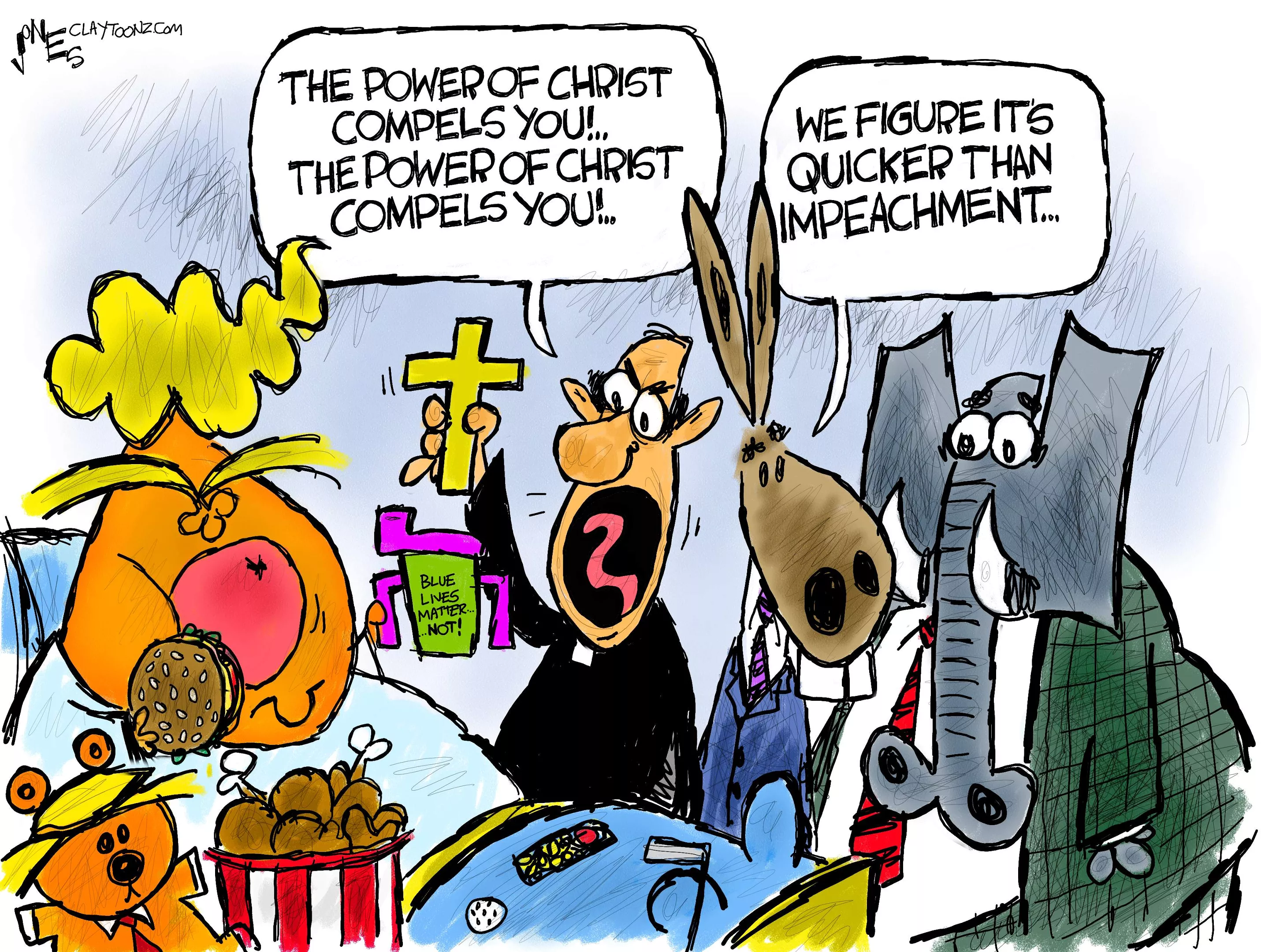
The governor began his address calling the Capitol riots on Jan. 6 a “sickening day in Washington D.C. that no American will ever forget.”
Ducey, who campaigned alongside Trump this year, condemned the siege of the capitol building that was incited by the president himself.
“In the United States of America, violence and vandalism have no place in the people's house. Perpetrators should be prosecuted to the full extent of the law,” Ducey said. “Let us condemn it and resolve that it never happens again.”
Ducey refuses statewide "lockdowns" to prevent COVID-19 spread
The governor acknowledged the significant strain on healthcare workers to care for a growing number of COVID-19 patients but adamantly rejected instituting lockdowns in a state currently experiencing the second-highest rate of the virus’ transmission in the nation.
“Why not ban all gatherings and just lock everything down? It's a question that only makes sense if you forget about everything else, all the other troubles that lockdowns set in motion,” he said. “The rest of life doesn't stop in a pandemic. Least of all our basic responsibilities. People still have bills to pay, children in need of schooling, businesses to run and employees who depend on them.”
Ducey made clear he won’t grant authority to local jurisdictions to impose their own pandemic mitigation policies. Pima County has implemented its own curfew, which is being legally challenged by a group of Tucson bar owners.
“I've been entrusted by the people of Arizona with this responsibility. I'm not going to hand over the keys to a small group of mayors who have expressed every intention of locking down their cities,” Ducey said.
An end to remote learning
After mentioning he’s working to ensure teachers “receive the vaccine as quickly as possible,” Ducey advocated for an end to remote learning models for students to attend school from home.
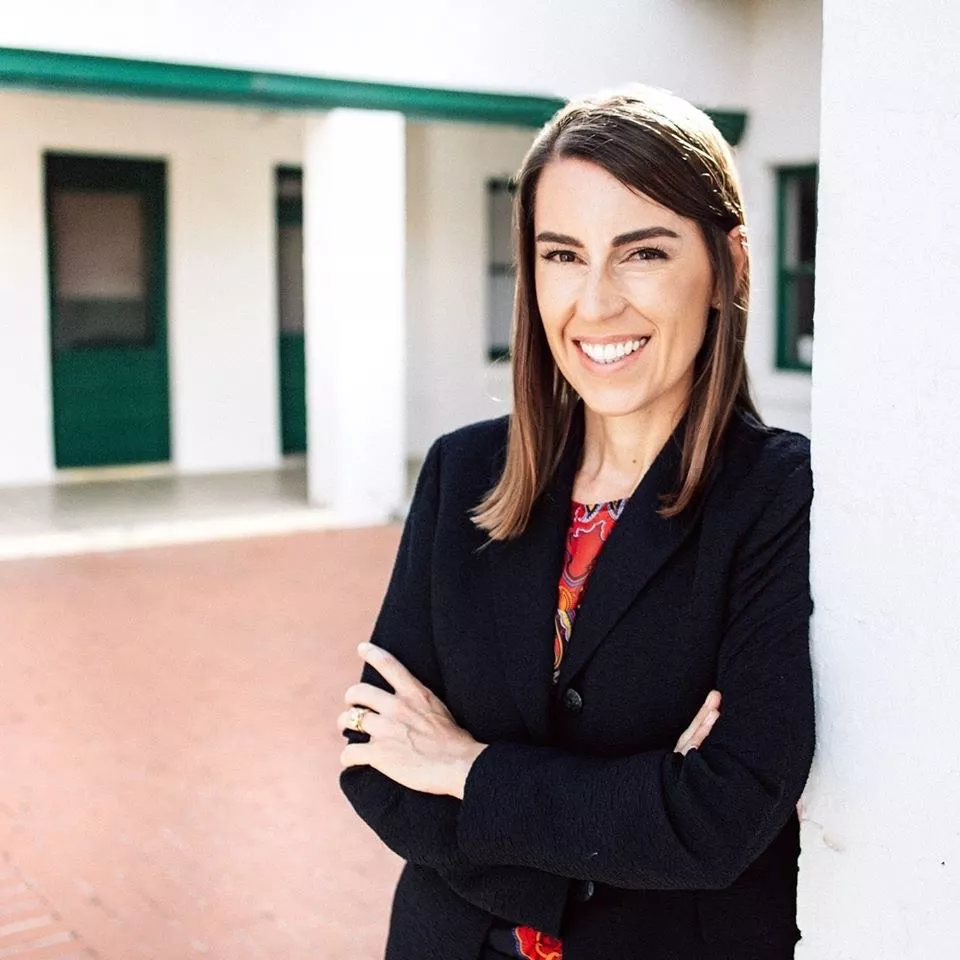
Pima County Attorney Laura Conover announced Sunday night that she was temporarily closing her Downtown offices after a COVID outbreak among her staff.
The Legal Services Building, 32 N. Stone Ave., will be closed Monday and Tuesday for cleaning and sanitizing while employees telecommute.
Conover has been feeling mild COVID symptoms and is awaiting test results, according to a news release.
Conover said the closure was necessary "to keep operations going and to make sure we don't hit that brick wall of not having enough healthy staff."
Conover thanked employees who had alerted HR to their positive tests.
"You are helping us keep your colleagues safe," Conover said.
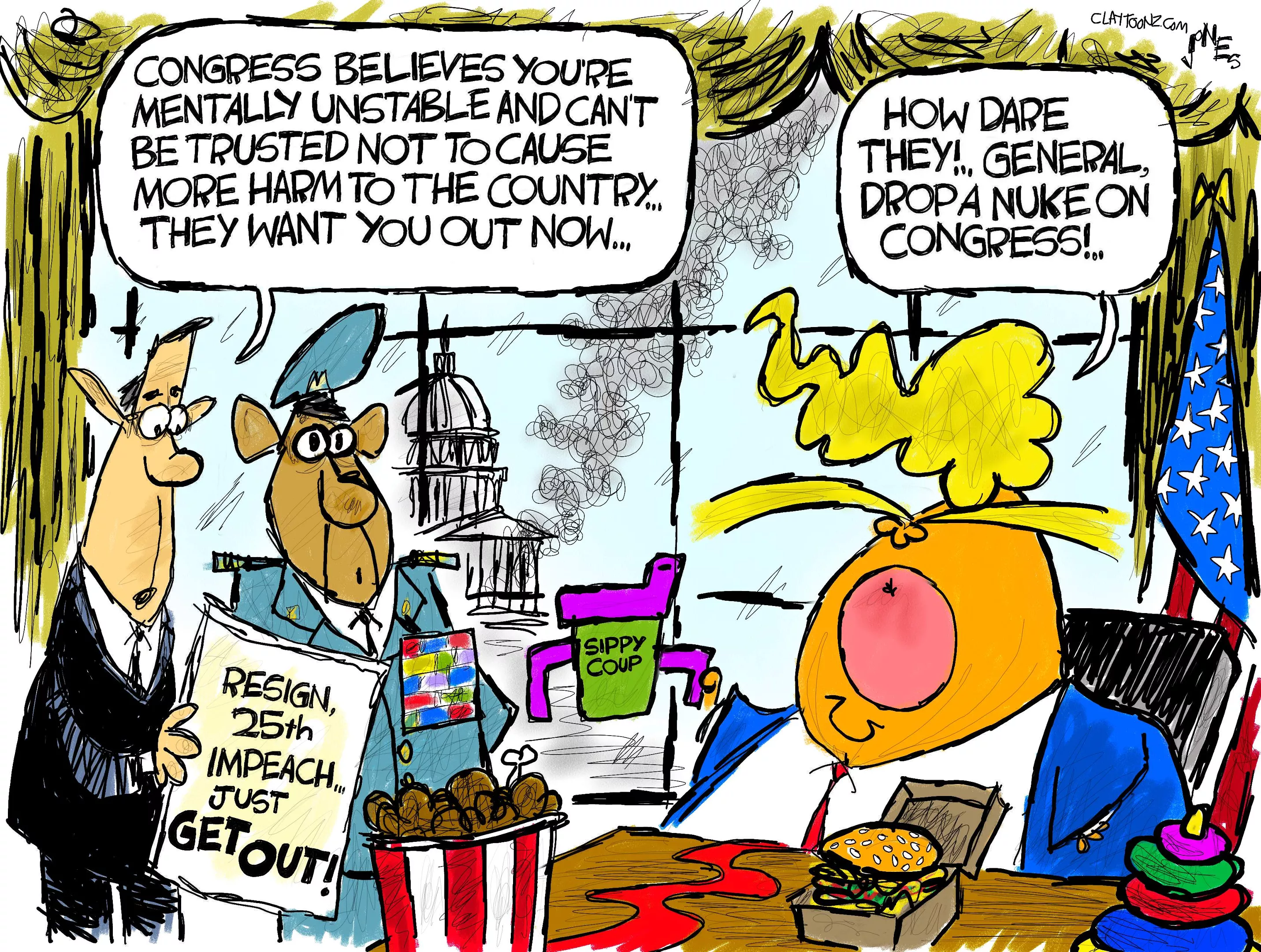
President Donald Trump met with top military officials and gave his approval to activate the D.C. National Guard three days before he encouraged a mob of angry protesters to take their grievances to the U.S. Capitol.
A Pentagon memo released Friday offers these insights, as well as the first detailed timeline of the bungled law enforcement response to Wednesday’s insurrection.
The timeline shows that the planning started at least as far back as Dec. 31 and included discussion with select Cabinet members of the potential need for Pentagon reinforcements.
But it also leaves many questions unanswered, including why the U.S. Capitol Police declined repeated offers of assistance from military officials and the full extent of how much Trump knew about the security planning or was involved in decision-making.
The memo, first reported on by NBC News on Friday evening, presents a limited account of the days before the insurrection, and reports have questioned the completeness of the Pentagon’s version of events and the effectiveness of its planning and response. But the memo may well provide a partial roadmap as legislators call for an investigation into how pro-Trump protesters breached the Capitol in a riot that left five people dead, including one Capitol Hill police officer. Three officials who supervise the force have already submitted resignations.
Here’s what we know so far, and what we don’t.

Friday, January 8, 2021
Ten years since the shooting that nearly took her life, former Rep. Gabby Giffords and her husband, newly elected senator Mark Kelly, sat down with Savannah Guthrie on The Today Show.
“I do think back to that day often,” Kelly says, recalling that at one point, his wife was reported dead.
“Move ahead,” Giffords says, and jokes that her speech rehabilitation “really sucks.” She sums up her message as “hope, hope, hope.”
WASHINGTON – The Trail of Tears, the forced removal of the Cherokee Nation to Oklahoma, was one of the most inhumane policies in American history – but it wasn’t an isolated incident.
In 1831, nearly 16,000 members of the Cherokee Nation were forced under armed guard to leave their native lands in the southeastern United States to trek more than 1,000 miles to what eventually would become the state of Oklahoma.
Almost 4,000 Cherokees died along the way, never making it to the land designated by the U.S. government as Indian Territory.
Removal of the Choctaw Nation began even earlier, in 1830. Like the Cherokees, they were forced to leave their homes in the South and a way of life developed over millennia to start over in an alien environment on the prairie.
But the Cherokee and Choctaw nations are only two of the tribes with a removal story. There are 39 tribes in Oklahoma, five native to the state, that have stories to be told – each with its own trail of tears.
Long before the 1830s, the federal government believed white people could use the Native lands better than the indigenous inhabitants. This “Indian problem” motivated settlers to strip Native people of their land and resources, relentlessly pushing tribal members farther west. That pressure often resulted in violent attacks on Native Americans by settlers. If the Indians fought back, whites considered it proof that they were savages.


