
Monday, November 23, 2020
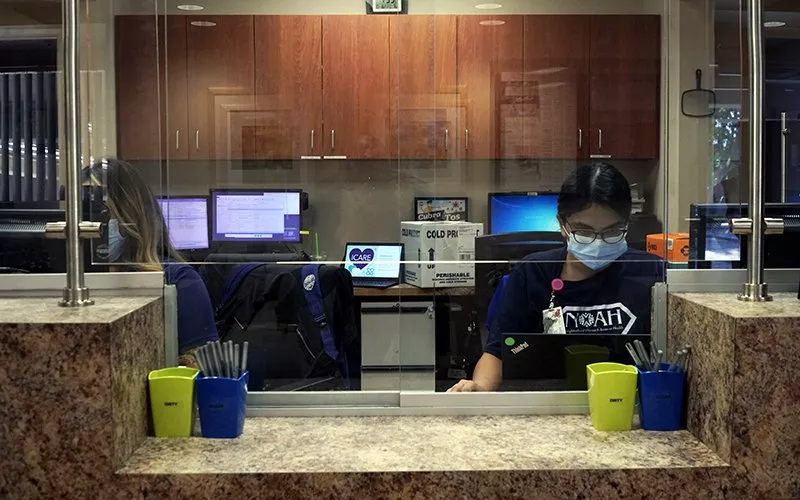
Financial aid from last spring's federal CARES Act allowed Neighborhood Outreach Access to Health and other community health centers to retain employees amid declining patient visits and other threats to funding streams.
The financial hit is estimated to be at least $2.9 billion nationwide, according to a study from the Milken Institute School of Public Health at George Washington University.
In addition to providing standard health services, these clinics have been on the front lines of COVID-19 testing efforts in underserved urban and rural communities.
In Arizona, 23 community health centers operate 176 sites throughout the state. Tara McCollum of the Arizona Alliance for Community Health Centers said most centers in Arizona experienced drops of 35% to 80% for in-person patient visits.
“Even the sliding fee scale wasn’t enough to bring people in,” she said, referring to discounts offered to uninsured patients. With the sliding scale, the less money a patient earns, the lower the cost.
Such discounts are made possible with financial assistance from the Community Health Center Fund, a federal program created through the Affordable Care Act of 2010. Congress renewed funding for the program last year at $5.6 billion, but that money is set to expire later this year.
With the ACA now under review by the U.S. Supreme Court, advocates worry the health center fund could be wiped out if the court decides to repeal the Affordable Care Act.
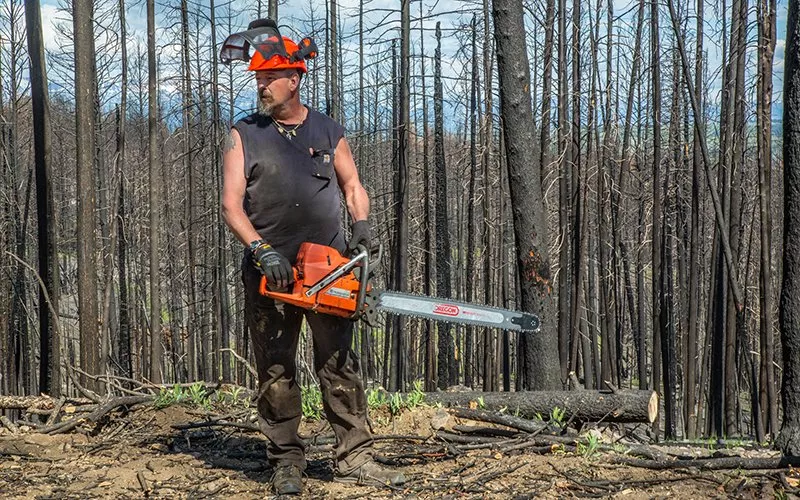
WASHINGTON – Coconino County Supervisor Art Babbott urged senators last week to pass a bill that would let limbs and trees left over from forest maintenance be burned for renewable energy.
Babbott, testifying before a Senate Energy and Natural Resources subcommittee, said the lack of a market for forest waste has been a bottleneck choking efforts to clear national forests of undergrowth and halt the growth of catastrophic wildfires.
“The rules have changed, we can’t use the same strategies that used to work because they don’t work anymore,” said Babbott, who punctuated his remarks by noting that he had received notice during his testimony of another wildfire breaking out in the county.
The hearing comes during a year in which Arizona has seen a sharp increase in wildfires, with 2,375 blazes so far that have burned more than 955,000 acres so far this year, said Tiffany Davila, a spokeswoman with the Arizona Department of Forestry and Fire Management.
And that pales in comparison to states like California, where 9,279 fires have burned almost 4.2 million acres and led to 31 deaths this year, according to the California Department of Forestry and Fire Protection.
Friday, November 20, 2020

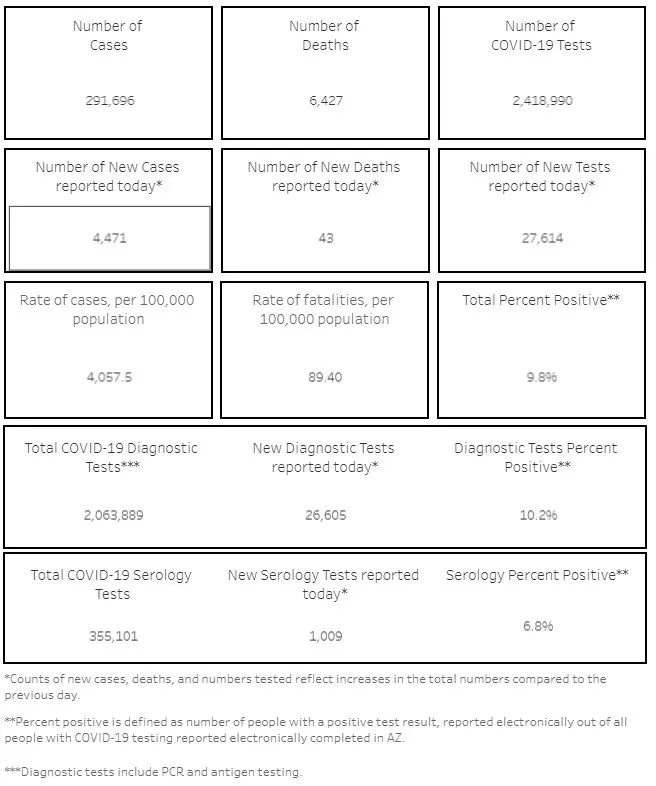
Arizona’s confirmed novel coronavirus cases climbed to nearly 300,000 as of Friday, Nov. 20, with 4,471 new cases, according to the Arizona Department of Health Services.
Pima County reported 562 new cases today bringing its total to 34,985 of the state’s 291,696 confirmed cases.
With 43 new deaths reported today, it increases to 6,427 the number of Arizonans who have died after contracting COVID-19, including 673 deaths in Pima County, according to the Nov. 20 report.

The number of hospitalized COVID cases statewide continues to climb as the virus has begun to spread more rapidly. ADHS reported that as of Nov. 18, 1,835 COVID patients were hospitalized in the state, the highest that number has been since Aug. 8. That number peaked with 3,517 hospitalized COVID patients on July 13; it hit a subsequent low of 468 on Sept. 27.
A total of 1,490 people visited emergency rooms on Nov. 19 with COVID symptoms, the highest that number has been since July 171. That number peaked at 2,008 on July 7; it hit a subsequent low of 653 on Sept. 28.
A total of 431 COVID-19 patients were in intensive care unit beds on Nov. 19. The number of COVID patients in ICUs peaked at 970 on July 13 and hit a subsequent low of 114 on Sept. 22.
On a week-by-week basis in Pima County, the number of positive COVID tests peaked the week ending July 4 with 2,452 cases, according to a Nov. 12 report from the Pima County Health Department. (Numbers in this report are subject to revision.)
Pima County is seeing a steady rise in cases in recent weeks. For the week ending Oct. 17, 547 cases were reported; for the week ending Oct. 24, 914 cases were reported; for the week ending Oct. 31, 1,304 cases were reported; and for the week ending Nov. 7, 1,948 cases were reported.
Pima County Administrator Chuck Huckelberry noted that the county had seen 4,620 cases in the first 17 days in November.
“For the first 17 days in July, the worst month of COVID-19 case increases to date, there were 5,057 cases,” Huckleberry said in a Nov. 17 memo. “Therefore, we are on pace to exceed the total number of monthly COVID-19 infections in our previous worst month, July.”
COVID-related deaths in Pima County are down from a peak of 54 in the week ending July 4 but are on the rise. There were three deaths in the week ending Oct 10, one in week ending Oct. 17, five in the week ending Oct. 24 and nine in the week ending Oct. 31.
Hospitalization admission peaked the week ending July 18 with 221 COVID patients admitted to Pima County hospitals, but those numbers have been on the rise in recent weeks. In the week ending Oct. 17, 35 people were admitted; in the week ending Oct. 24, 41 people were admitted; in the week ending Oct. 31, 53 people were admitted; and in the week ending Nov. 7, 61 people were admitted.
Ducey, Christ: State coronavirus cases showing 'concerning increase'
In the first media conference from the governor’s office in two weeks, Gov. Doug Ducey and Arizona Department of Health Services Director Dr. Cara Christ provided a COVID-19 update today as the pervasiveness of the virus grows daily.
Christ said throughout the state there’s been a “concerning increase” in coronavirus cases, percent positivity and COVID-19 patients in ICU and inpatient hospital beds.
According to Christ, each of Arizona’s 15 counties has a COVID-19 case rate above 100 per 100,000 people, which also indicates a substantial spread of the virus.
COVID-19-like illnesses are also increasing visits to emergency rooms and hospitals, Christ said.
The public health director implored mask wearing for all Arizonans “in every setting.”
Banner Health reinstates no visitor policy as COVID surges
As Arizona continues on track for its worst month of COVID spread, Banner Health reinstated its no-visitor policy at all Banner – University Medicine locations in Tucson, effective 6 p.m. today. According to Banner, this visitor ban to reduce COVID spread includes outpatient and ambulatory locations, such as clinics, urgent care locations, imaging centers, surgery centers and occupational health services locations.
There are four exceptions to the visitor restrictions:
- Pediatric patients (under the age of 18) may have one guardian or support individual with them.
- Laboring mothers may have one support person with them.
- Persons with disabilities who, due to the specifics of the disability, require assistance from someone in order to effectively participate in the healthcare process will be allowed to designate a support person to accompany them while in any Banner facility.
- End of life visitations will be accommodated.
Federal prison is a “hot spot” for COVID cases
However, the memo says there are specific "hot spots" contributing to the surge in cases, including a case outbreak at the federal prison at 8901 S. Wilmot Road. Nearly 500 infections were found in a facility with 1,600 detainees and 600 employees.
“The initial cases were identified quickly, and the institution implemented an aggressive program of inmate testing, case identification, and isolation and quarantine to mitigate the risk of spread,” Huckelberry said in the memo.
On-site medical services for inmates are “limited to outpatient acute care” from a team of four nurse practitioners or mid-level providers, 12 supporting nursing and paramedics and a medical director from inside the facility, according to the memo.
About 24 detainees had to leave the prison facility for hospital care, and the memo says “even fewer required inpatient care at local hospitals, principally TMC.”
Get tested: Pima County opening new sites alongside existing spots for free COVID testing
New drive-thru COVID-19 testing sites are opening at three Pima Community College locations, the county health department announced in a press release Friday.
The Pima County Health Department, Pima Community College and Arizona State University have partnered to create three new testing sites in an extension of the current ASU testing site at the Ellie Towne Flowing Wells Community Center.
At the drive-thru sites, COVID-19 testing will be offered through spit samples instead of nasal canal swabs.
Each site will conduct testing from 9 a.m. to noon, and registration is required in advance. Only patients 5 years or older can be tested.
“As cases rise, we are eager to increase available testing for the people of Pima County,” Pima County Public Health Director Theresa Cullen said in the press release. “If you know or suspect you have been exposed to COVID-19, we encourage you to get tested.”
Here are the three drive-thru locations that will be offering COVID-19 testing:
Pima Community College West Campus
- 2202 W. Anklam Road
- Mondays, except national holidays and Dec. 28
- Testing started: Monday, Nov. 16, 2020
Pima Community College Desert Vista Campus
- 5901 S. Calle Santa Cruz
- Wednesdays, except national holidays and Dec. 30
- Testing starts: Wednesday, Dec. 2, 2020
Pima Community College East Campus
- 8181 E. Irvington Road
- Fridays, except national holidays.
- Testing starts: Friday, Dec. 4, 2020
The new sites will join the county’s other four free testing centers around town.
You’ll have a nasal swab test at the Kino Event Center (2805 E. Ajo Way) the Udall Center (7200 E. Tanque Verde Road) and downtown (88 E. Broadway). The center at the northside Ellie Towne Flowing Wells Community Center, 1660 W. Ruthrauff Road, involves a saliva test designed by ASU.
Schedule an appointment at pima.gov/covid19testing.
The University of Arizona’s antibody testing has been opened to all Arizonans as the state attempts to get a handle on how many people have been exposed to COVID-19 but were asymptomatic or otherwise did not get a test while they were ill.
To sign up for testing, visit https://covid19antibodytesting.arizona.edu/home.
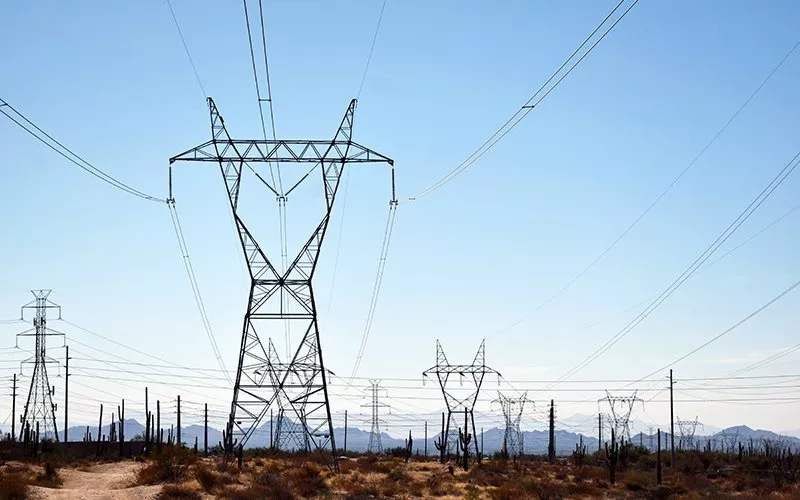
PHOENIX – States across the Southwest have adopted clean energy plans that regulate utility companies and work toward carbon-free goals. After lagging for several years, Arizona is starting to catch up.
The Arizona Corporation Commission passed a proposal requiring utilities to be 100% free of carbon emissions by 2050 and meet particular benchmarks along the way.
According to the commission, carbon-free requires the use of resources that do not generate carbon emissions “resulting from the combustion of fossil fuels, such as coal, petroleum, natural gas, oil, shale, and bitumen.” Nuclear and hydroelectric generators are considered carbon-free, as are wind and solar.
The 4-1 vote initiated the commission’s formal rulemaking process, which includes opportunities for customer comment and will provide the foundation for a final commission vote in 2021.
If approved, the proposal will update energy rules that have not been changed since 2006, according to Commissioner Lea Márquez Peterson, who said it was “vitally important” to update the rules.
“From an economic development perspective, Arizona didn’t look competitive,” Márquez Peterson said. “We really needed to, in my opinion, focus on clean energy and zero carbon emissions.”
Ellen Zuckerman, co-director of the Southwest Energy Efficiency Project’s utility program, said the decision is “consistent with the trend in the industry and the trend in the Southwest.”
Colorado plans to have 100% carbon-free electricity by 2050, New Mexico plans to be 100% zero-carbon energy by 2045 and Nevada plans to have 100% clean energy by 2050. Carbon-free means no carbon emissions, while clean energy encompasses all renewable energy, including fossil fuel with carbon-capture technology.
The proposed rules include several standards for public utilities across the state including requiring Arizona Public Service and Tucson Electric Power to be 100% carbon-free by 2050. They also would have to reach benchmarks, such as reducing carbon emissions by 50% by 2032 and 75% by 2040, along the way.
Utilities will also be required to meet an energy efficiency standard to cut energy waste, a distributed storage standard to deploy customer-owned or leased energy storage systems, and make improvements to integrated resource planning processes.
The policy would replace the 2006 Renewable Energy Standard and Tariff, which required regulated electric utilities to generate 15% of their energy from renewable resources by 2025. Currently, APS plans to generate 45% of its energy from renewable resources by 2030 and Tucson Electric is on track to generate 28% of its energy from renewable resources by next year.
Republicans Bob Burns, Boyd Dunn and Márquez Peterson, and Democrat Sandra Kennedy voted for the rules. Republican Justin Olson voted no.
Zuckerman – whose public-interest organization “promotes greater energy efficiency and clean transportation in Arizona, Colorado, Nevada, New Mexico, Utah and Wyoming” – said the bipartisanship of the Arizona vote is unique and important to the message it sends.
“It sends, I think, a very strong signal that these issues aren’t partisan,” Zuckerman said. “They really cross party lines, again, because it just makes economic sense.”
Márquez Peterson said giving utilities 30 years to hit these goals is important because it gives them sufficient time to work with developing technologies.
“We don’t know yet what new innovation or technology will be in the future, so we needed to allow them that flexibility to get there,” she said. “I think that’s more palatable or more affordable for our consumers across the state.”
Márquez Peterson said the 2020 election could potentially change the way the final vote goes in 2021.
“We have two new commissioners joining us, so that’ll change the dynamics of the commission,” she said. “Will they fully support the energy rules that we’ve negotiated thus far, or will we renegotiate certain pieces of it? That’s what we’re not sure yet.”
Three seats, held by Márquez Peterson, Burns and Dunn, were up for election in November. Márquez Peterson retained her position. Democrat Anna Tovar and Republican James “Jim” O’Connor were elected to fill the other two seats.
Diane Brown, executive director of the Arizona Public Interest Research Group, said Arizona utilities are making good progress.
“Arizona utilities have recently stepped up to the plate to establish their own commitments to a clean energy future,” Brown said. “The commission movement to adopt strong energy efficiency and clean energy standards will ensure they achieve and eventually surpass their commitments.”
The APS 2020 Integrated Resource Plan, which was filed with the commission in June, says the utility will provide 100% carbon-free energy by 2050, with 65% clean energy by 2030. APS also pledged to end its use of coal-fired generation by 2031.
Tucson Electric’s 2020 Integrated Resource Plan, which was filed in June, pledges to provide more than 70% of its power from renewable sources “with a portfolio that requires 70% less water and produces 80% less carbon dioxide” by 2035.
According to the Environmental Protection Agency, electricity generation, transmission and distribution make up 27% of greenhouse gas emissions, and transportation makes up 28%. In a November report, the nonpartisan National Conference of State Legislatures said many states consider clean energy generation to be the key to decarbonizing both the transportation and power sectors, which together produce 55% of total greenhouse gas emissions in the U.S.
Zuckerman said the switch to clean energy has economic benefits.
“Renewables are increasingly competitive and oftentimes outperforming on economic gas,” she said. “This is just what makes economic sense.”
The APS plan mentions that utilities need to focus on clean and renewable energy projects in impacted and disadvantaged communities. Impacted communities, Zuckerman said, are those that are “socially or economically impacted from the closure of traditional fossil resources.”
Zuckerman said the bipartisan-supported package “sends an incredibly strong signal that Arizona is committed to significant investment in clean energy resources moving forward.”

Thursday, November 19, 2020
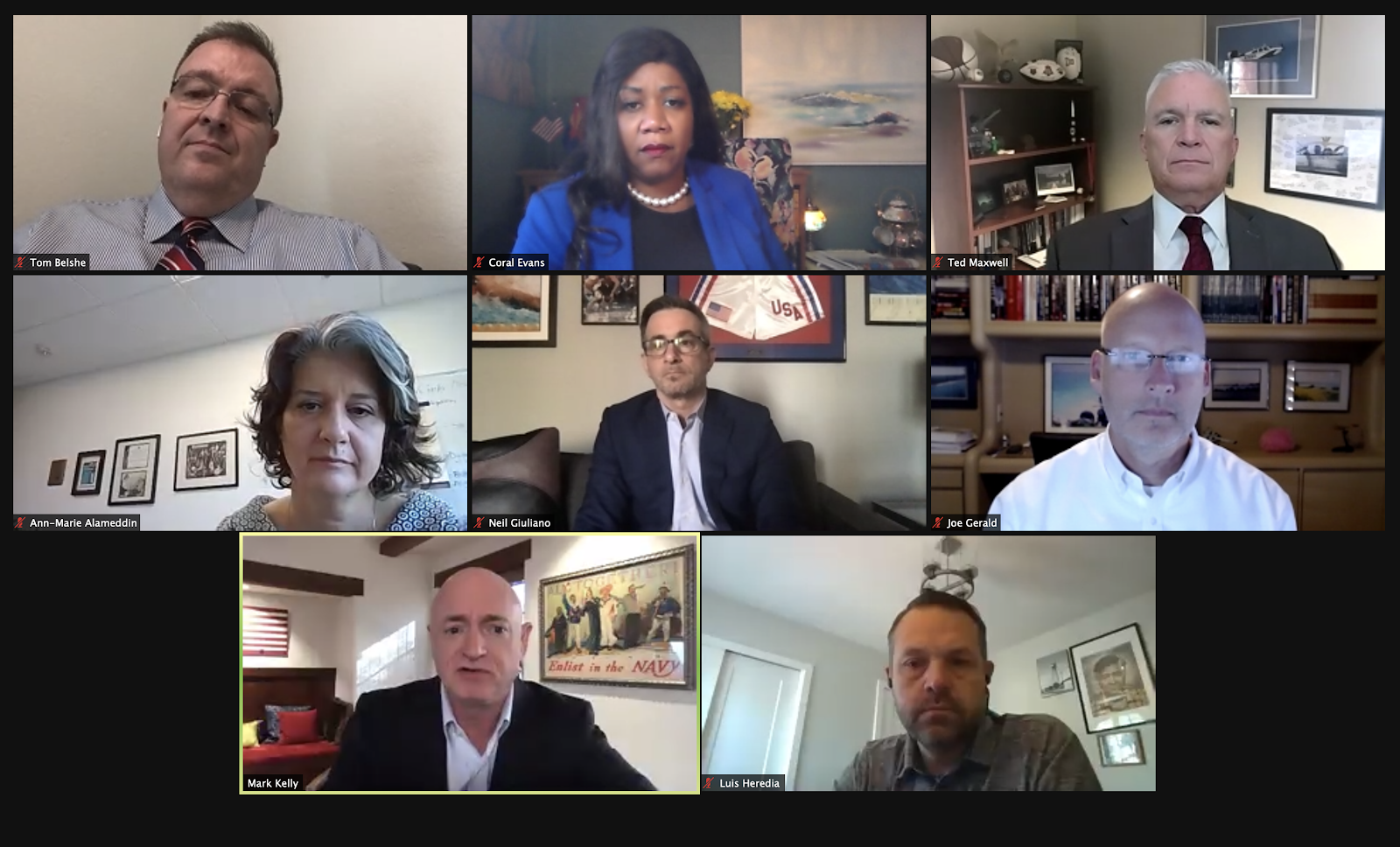
Arizona’s U.S. Senator-elect Mark Kelly held a COVID-19 briefing Thursday with public health officials to discuss the critical situation of the virus across the state.
Seven members of Kelly’s transition team joined the virtual briefing to share their specific expertise and experiences of the pandemic, covering topics such as public health, hospitals, local municipalities, the economy and schools as cases continue to surge throughout the state and nation.
Dr. Joe Gerald, an associate professor and program director for public health policy and management at the University of Arizona who has been creating weekly reports on the Arizona coronavirus metrics since March, said he had no good news to share.
“Conditions continue to deteriorate in Arizona and have been doing so for the past four to six weeks,” Gerald said. “As we look forward to our season between Thanksgiving and New Year's, it's going to be a very difficult time in Arizona because of the burden of coronavirus.”
He the state is exceeding 2,500 cases daily and COVID-19 test positivity is above 15%.
“We haven't seen numbers like these since the last outbreak in June, and that number is expected to rise over the coming weeks,” he said. “The deaths that occur between now and when a vaccine is available are potentially entirely avoidable. So I hope that we can double down on these efforts to gain control of this virus. Right now, though, it's not looking good.”
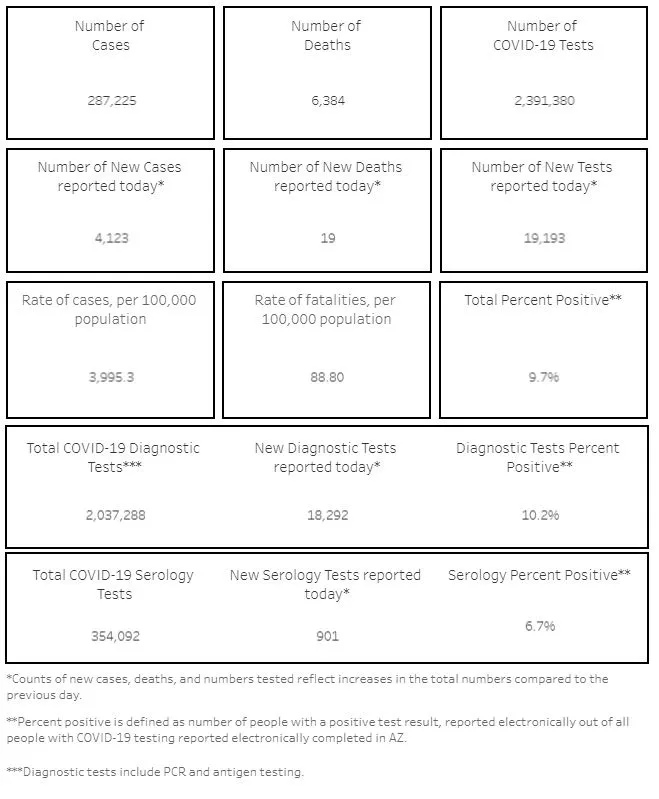
New cases jumped to 4,123, which brought the number of Arizona’s confirmed novel coronavirus cases to more than 287,000 as of Thursday, Nov. 19, according to the Arizona Department of Health Services.
Pima County, which reported 601 new cases today, has seen 34,423 of the state’s 287,225 confirmed cases.

With 19 new deaths reported today, a total of 6,384 Arizonans have died after contracting COVID-19, including 674 deaths in Pima County, according to the Nov. 19 report.
The number of hospitalized COVID cases statewide continues to climb as the virus has begun to spread more rapidly. ADHS reported that as of Nov. 18, 1,796 COVID patients were hospitalized in the state, the highest that number has been since Aug. 8. That number peaked with 3,517 hospitalized COVID patients on July 13; it hit a subsequent low of 468 on Sept. 27.
A total of 1,414 people visited emergency rooms on Nov. 18 with COVID symptoms, the highest that number has been since July 18. That number peaked at 2,008 on July 7; it hit a subsequent low of 653 on Sept. 28.
A total of 433 COVID-19 patients were in intensive care unit beds on Nov. 18, the highest that number has been since Aug. 14. The number of COVID patients in ICUs peaked at 970 on July 13 and hit a subsequent low of 114 on Sept. 22.
On a week-by-week basis in Pima County, the number of positive COVID tests peaked the week ending July 4 with 2,452 cases, according to an Nov. 12 report from the Pima County Health Department. (Numbers in this report are subject to revision.)
Pima County is seeing a steady rise in cases in recent weeks. For the week ending Oct. 17, 547 cases were reported; for the week ending Oct. 24, 914 cases were reported; for the week ending Oct. 31, 1,304 cases were reported; and for the week ending Nov. 7, 1,948 cases were reported.
Pima County Administrator Chuck Huckelberry noted that the county had seen 4,620 cases in the first 17 days in November.
“For the first 17 days in July, the worst month of COVID-19 case increases to date, there were 5,057 cases,” Huckleberry said in a Nov. 17 memo. “Therefore, we are on pace to exceed the total number of monthly COVID-19 infections in our previous worst month, July.”
COVID-related deaths in Pima County are down from a peak of 54 in the week ending July 4 but are on the rise. There were three deaths in the week ending Oct 10, one in week ending Oct. 17, five in the week ending Oct. 24 and nine in the week ending Oct. 31.
Hospitalization admission peaked the week ending July 18 with 221 COVID patients admitted to Pima County hospitals, but those numbers have been on the rise in recent weeks. In the week ending Oct. 17, 35 people were admitted; in the week ending Oct. 24, 41 people were admitted; in the week ending Oct. 31, 53 people were admitted; and in the week ending Nov. 7, 61 people were admitted.
Ducey, Christ: State coronavirus cases showing 'concerning increase'
In the first media conference from the governor’s office in two weeks, Gov. Doug Ducey and Arizona Department of Health Services Director Dr. Cara Christ provided a COVID-19 update today as the pervasiveness of the virus grows daily.
Christ said throughout the state there’s been a “concerning increase” in coronavirus cases, percent positivity and COVID-19 patients in ICU and inpatient hospital beds.
According to Christ, each of Arizona’s 15 counties has a COVID-19 case rate above 100 per 100,000 people, which also indicates substantial spread of the virus.
COVID-19-like illnesses are also increasing visits to emergency rooms and hospitals, Christ said.
The public health director implored mask wearing for all Arizonans “in every setting.”
Banner Health reinstates no visitor policy as COVID surges
As Arizona continues on track for its worst month of COVID spread, Banner Health reinstated its no-visitor policy at all Banner – University Medicine locations in Tucson, effective 6 p.m. today. According to Banner, this visitor ban to reduce COVID spread includes outpatient and ambulatory locations, such as clinics, urgent care locations, imaging centers, surgery centers and occupational health services locations.
There are four exceptions to the visitor restrictions:
- Pediatric patients (under the age of 18) may have one guardian or support individual with them.
- Laboring mothers may have one support person with them.
- Persons with disabilities who, due to the specifics of the disability, require assistance from someone in order to effectively participate in the healthcare process will be allowed to designate a support person to accompany them while in any Banner facility.
- End of life visitations will be accommodated.
Federal prison is a “hot spot” for COVID cases
However, the memo says there are specific "hot spots" contributing to the surge in cases, including a case outbreak at the federal prison at 8901 S. Wilmot Road. Nearly 500 infections were found in a facility with 1,600 detainees and 600 employees.
“The initial cases were identified quickly, and the institution implemented an aggressive program of inmate testing, case identification, and isolation and quarantine to mitigate the risk of spread,” Huckelberry said in the memo.
On-site medical services for inmates are “limited to outpatient acute care” from a team of four nurse practitioners or mid-level providers, 12 supporting nursing and paramedics and a medical director from inside the facility, according to the memo.
About 24 detainees had to leave the prison facility for hospital care, and the memo says “even fewer required inpatient care at local hospitals, principally TMC.”
Get tested: Pima County opening new sites alongside existing spots for free COVID testing
New drive-thru COVID-19 testing sites are opening at three Pima Community College locations, the county health department announced in a press release Friday.
The Pima County Health Department, Pima Community College and Arizona State University have partnered to create three new testing sites in an extension of the current ASU testing site at the Ellie Towne Flowing Wells Community Center.
At the drive-thru sites, COVID-19 testing will be offered through spit samples instead of nasal canal swabs.
Each site will conduct testing from 9 a.m. to noon, and registration is required in advance. Only patients 5 years or older can be tested.
“As cases rise, we are eager to increase available testing for the people of Pima County,” Pima County Public Health Director Theresa Cullen said in the press release. “If you know or suspect you have been exposed to COVID-19, we encourage you to get tested.”
Here are the three drive-thru locations that will be offering COVID-19 testing:
Pima Community College West Campus
- 2202 W. Anklam Road
- Mondays, except national holidays and Dec. 28
- Testing started: Monday, Nov. 16, 2020
Pima Community College Desert Vista Campus
- 5901 S. Calle Santa Cruz
- Wednesdays, except national holidays and Dec. 30
- Testing starts: Wednesday, Dec. 2, 2020
Pima Community College East Campus
- 8181 E. Irvington Road
- Fridays, except national holidays.
- Testing starts: Friday, Dec. 4, 2020
The new sites will join the county’s other four free testing centers around town.
You’ll have a nasal swab test at the Kino Event Center (2805 E. Ajo Way) the Udall Center (7200 E. Tanque Verde Road) and downtown (88 E. Broadway). The center at the northside Ellie Towne Flowing Wells Community Center, 1660 W. Ruthrauff Road, involves a saliva test designed by ASU.
Schedule an appointment at pima.gov/covid19testing.
The University of Arizona’s antibody testing has been opened to all Arizonans as the state attempts to get a handle on how many people have been exposed to COVID-19 but were asymptomatic or otherwise did not get a test while they were ill.
To sign up for testing, visit https://covid19antibodytesting.arizona.edu/home.
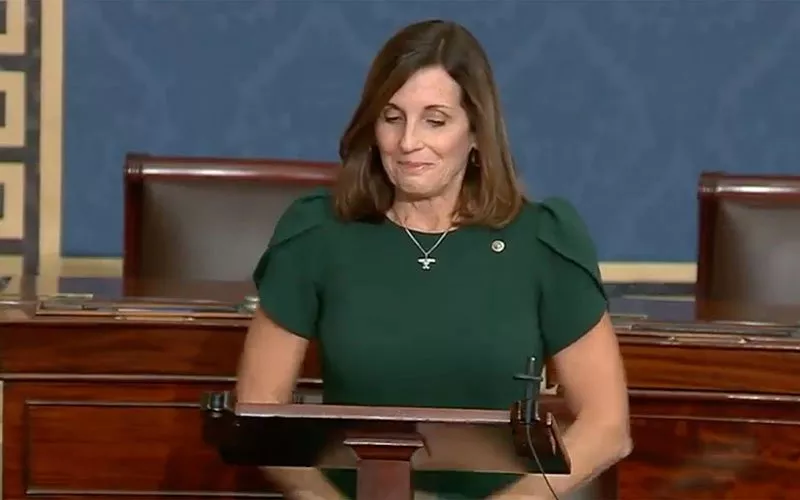
WASHINGTON – A sometimes emotional Sen. Martha McSally, R-Arizona, gave her farewell address on the Senate floor Wednesday, saying that “serving and fighting for Arizona as a U.S. senator has been the opportunity of a lifetime.”
McSally also wished “all the best” to Sen.-elect Mark Kelly, the Democrat who unseated her in this month’s elections and could replace her in less than two weeks when the election results are due to be certified.
“It’s been a true honor Arizona. We are an extraordinary state with extraordinary people,” said McSally, whose voice caught more than once and who had to pause and collect herself before settling into her roughly 14-minute speech.
Between thanking her staff, and quoting the Bible, McSally highlighted what she called her bipartisan record in Congress and expressed gratitude for the “life-changing opportunities here” to work for “causes greater than one’s self.”
McSally, a former Air Force fighter pilot who served two terms representing the Tucson area in the House, ran in 2018 for an open Senate seat but lost to Democrat Kyrsten Sinema. Gov. Doug Ducey appointed her shortly thereafter to fill the seat left vacant by the death of Sen. John McCain, R-Arizona.