

Wednesday, November 11, 2020
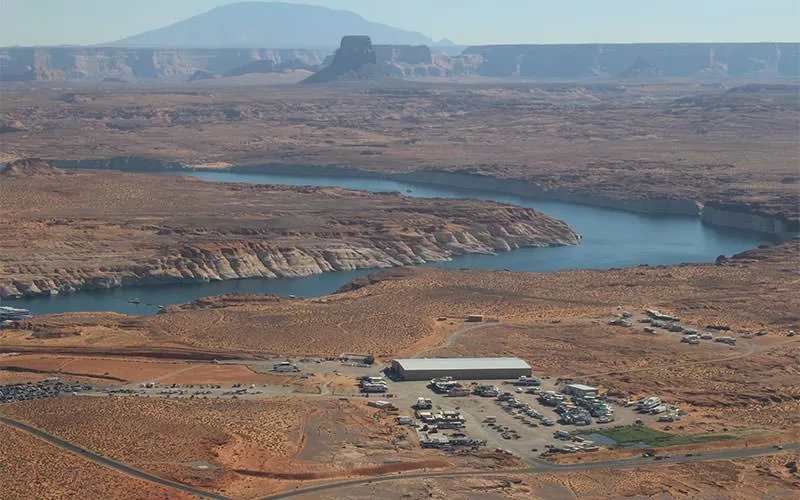
2020 has been a tough year for some of the Colorado River basin’s long-planned, most controversial water projects.
Proposals to divert water in New Mexico, Nevada and Utah have run up against significant legal, financial and political roadblocks this year. While environmental groups have cheered the setbacks, it’s still unclear whether these projects have truly hit dead ends or are simply waiting in the wings.
The watershed’s ongoing aridification, with record-breaking hot and dry conditions over the last 20 years, and lessened federal financial support for large-scale water projects is adding more pressure on projects that attempt to divert water to fast-growing communities or slow the purchase of agricultural water supplies.
In New Mexico, a “solid plan” fails to materialize
For years, environmental journalist Laura Paskus has been following the twists and turns of a proposed project in New Mexico’s southwest corner, called the Gila River Diversion.
Introduced in 2004, when Arizona settled tribal water rights with the Gila River Indian Community, the diversion was billed as a way to provide much-needed water supplies for four mostly rural New Mexican counties.
“The most recent plan was to build this diversion in the Cliff-Gila Valley,” Paskus said. “And to provide water to irrigators,” like farmers and ranchers.
What propelled the project forward was a federal subsidy to cover some of the costs associated with planning and building. Thorny questions over the project’s total cost, its eventual operation and the financial burden of those who would receive the water were present from the start, Paskus said, but the idea of leaving federal dollars unspent kept the effort alive for more than a decade.
“But there was never a really solid plan of how it would be built or how it would be paid for,” she said.
Failure to come up with a plan finally sank the proposal in June this year. The New Mexico Interstate Stream Commission, which had thrown its weight behind the project five years earlier, voted to stop spending money on environmental reviews related to the diversion. Roughly $17 million had already been spent on engineering plans and consultants over the years.

Tuesday, November 10, 2020

WASHINGTON – As the Supreme Court discusses the constitutionality of the Affordable Care Act – again – Tuesday, Tucson resident Alicia DeWitt is closely watching the case.
Without the ACA, DeWitt said she would not have been able to get health insurance to pay for surgery to remove a brain tumor, and would not be able to afford the medications that keep her alive today.
“I’m completely dependent on medication. I’ve been left with this permanent disability and this dependent for the rest of my life because I didn’t have access to care,” said DeWitt, a social worker, of the complications she lives with as a result of Cushing’s disease.
DeWitt is one of an estimated 223,000 Arizonans who could lose their health care coverage if the ACA is overturned, according to Protect Our Care, an advocacy group that fights to preserve the law.
That number includes and estimated 50,000 young adults in Arizona would no longer be able to stay on their parents’ insurance until age 26, and 75,000 children who would lose protection, the group said.
But the 18 states that challenged the law – including Arizona – say its “individual mandate,” which requires that people have health insurance, is an unconstitutional burden on private citizens.

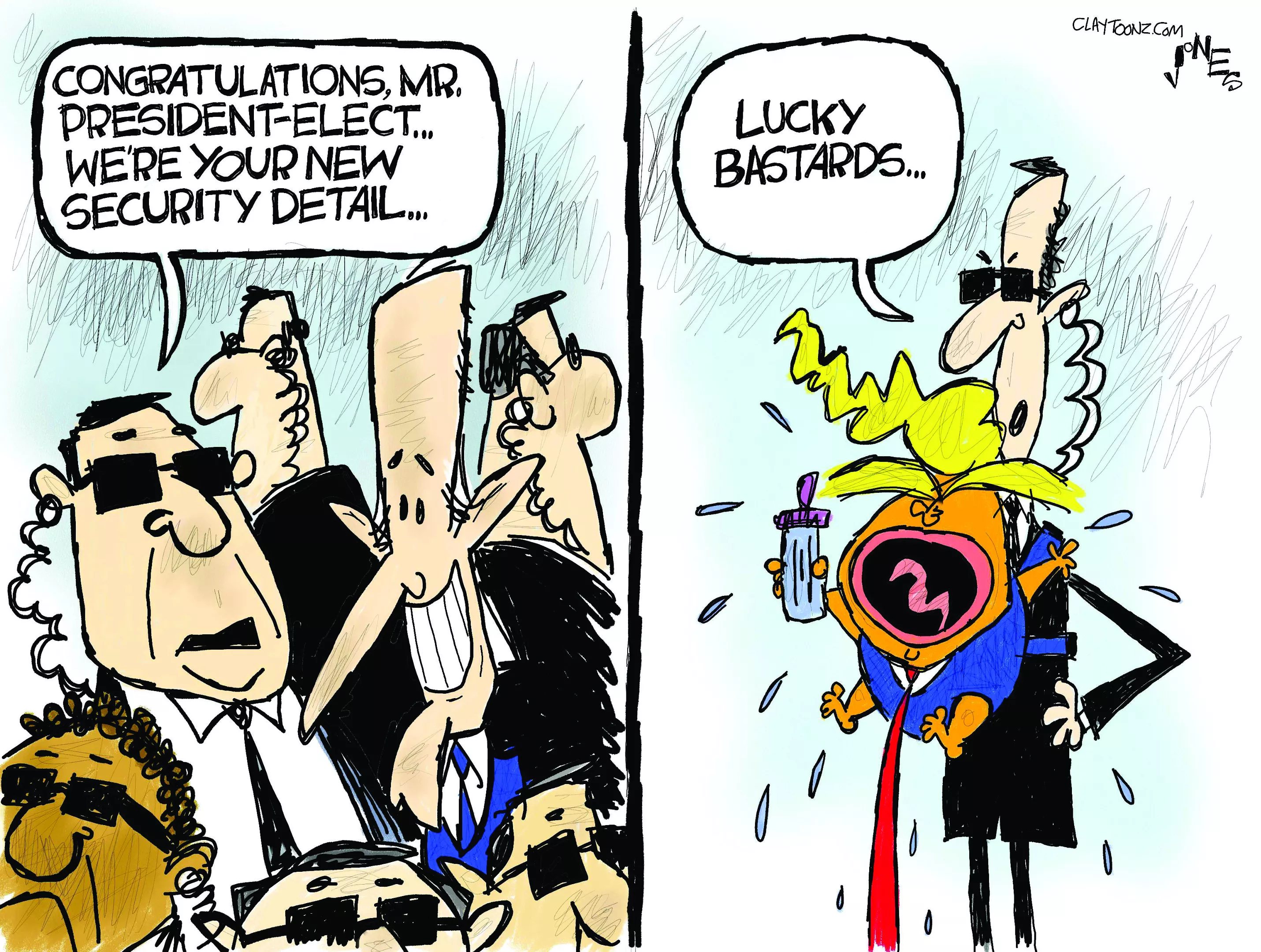
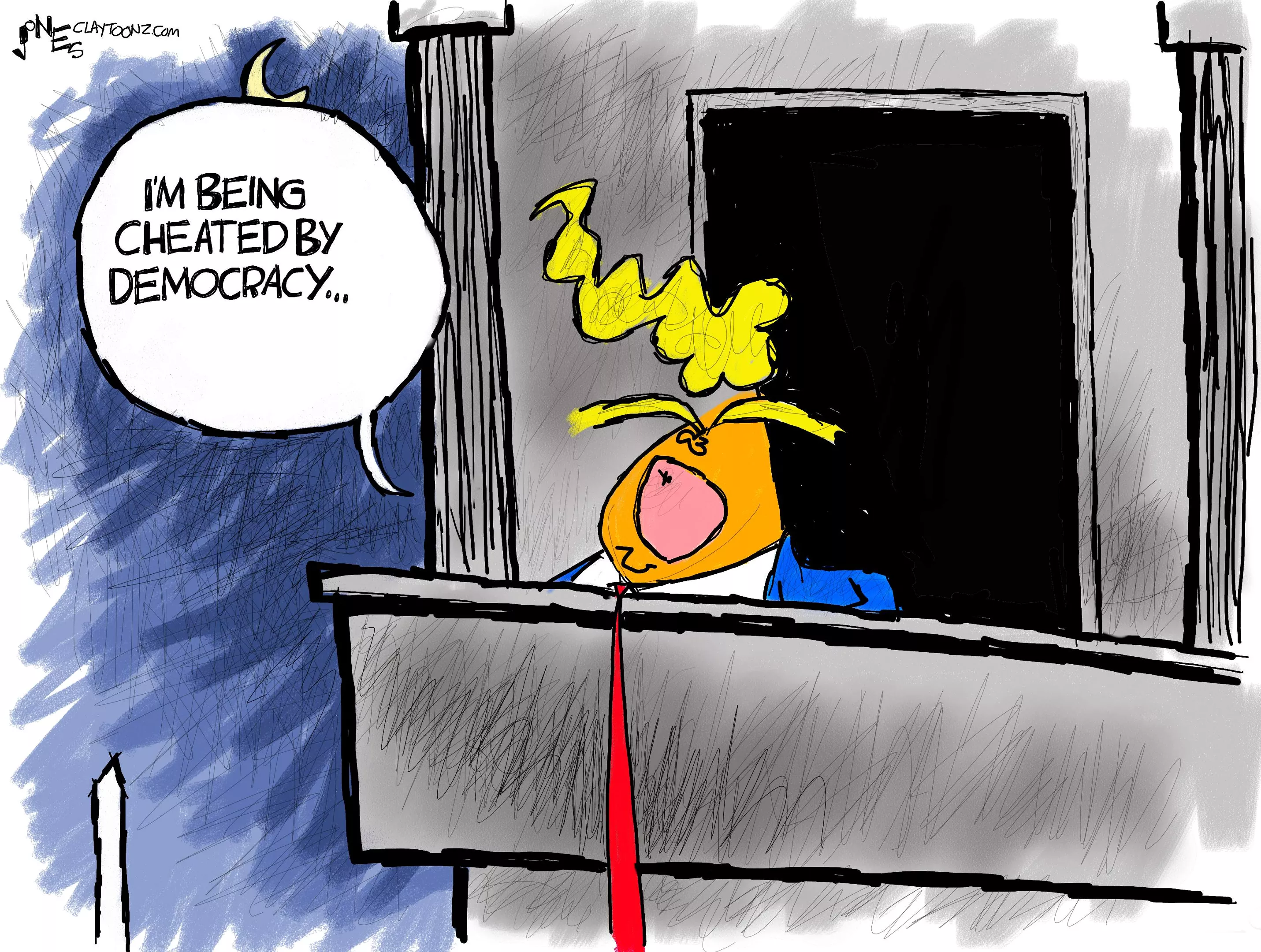
WASHINGTON – The Trump campaign added Arizona this weekend to the list of states where it has gone to court to challenge the ballot count, charging that Maricopa County rejected ballots that should have been given a second review.
The suit, filed Saturday in Maricopa County Superior Court, claims that those rejected ballots would “yield up to thousands of additional votes for President Trump and other Republican candidates” if they were counted.
It was filed the same day that prominent media organizations said Democrat Joe Biden appeared to have won in enough states to secure the 270 Electoral College votes needed to win the presidency, leading Biden to assume the mantle of president-elect.
Arizona has already been called a win for Biden, but Trump has increasingly chipped away at his lead since Election Day. As of Monday afternoon, the two men were separated by just 15,432 votes, with 71,497 votes still to be counted, according to the secretary of state’s office.
“This election is far from over. The American people are entitled to an honest election: that means counting all legal ballots, and not counting any illegal ballot,” said Arizona Republican Party Chairwoman Kelli Ward in a prepared statement. “We will not rest until the American people have the honest vote count they deserve and that our nation demands.”
Monday, November 9, 2020

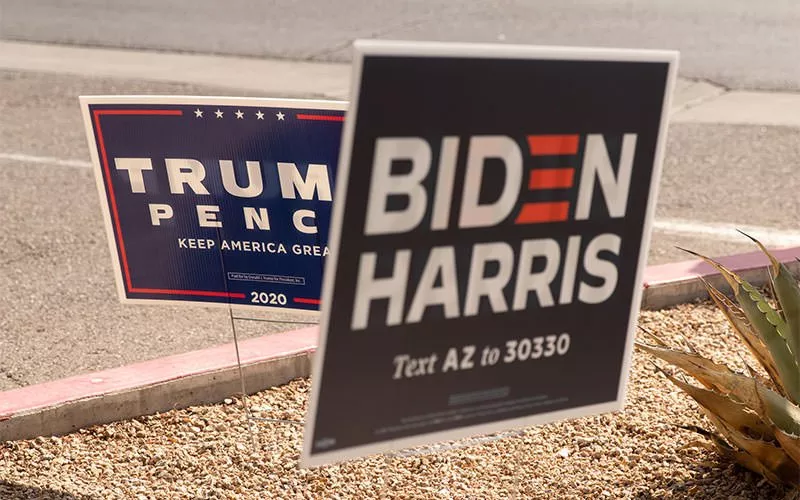
As Americans watch election results continue to trickle in, voters have taken to social media to share their confusion and anxiety, and have often been met with lies and misinformation.
The heightened spread of disinformation over social media can have negative consequences on America’s democracy, according to Scott Ruston, a research scientist with Arizona State University’s Knowledge Enterprise.
“In many ways, the fundamental underpinnings of democratic society are at risk because they depend so much on willing, informed citizen participation and expression of political will,” Ruston said in a Q&A from ASU. “If the basis of those decisions made by the citizens is corrupted by disinformation, then that’s a hijacking of domestic society.”
Disinformation is when a person intentionally spreads information they know is false or misleading.
Between March and September, more than 120,000 pieces of content were removed from Facebook and Instagram for violating voter interference policies, and an additional 150 million pieces of content on Facebook were labeled as false information, according to Guy Rosen, VP of Integrity for the social platforms, in an explanation piece for Facebook.
Here is some of the recent misinformation that has been circulating on social media.
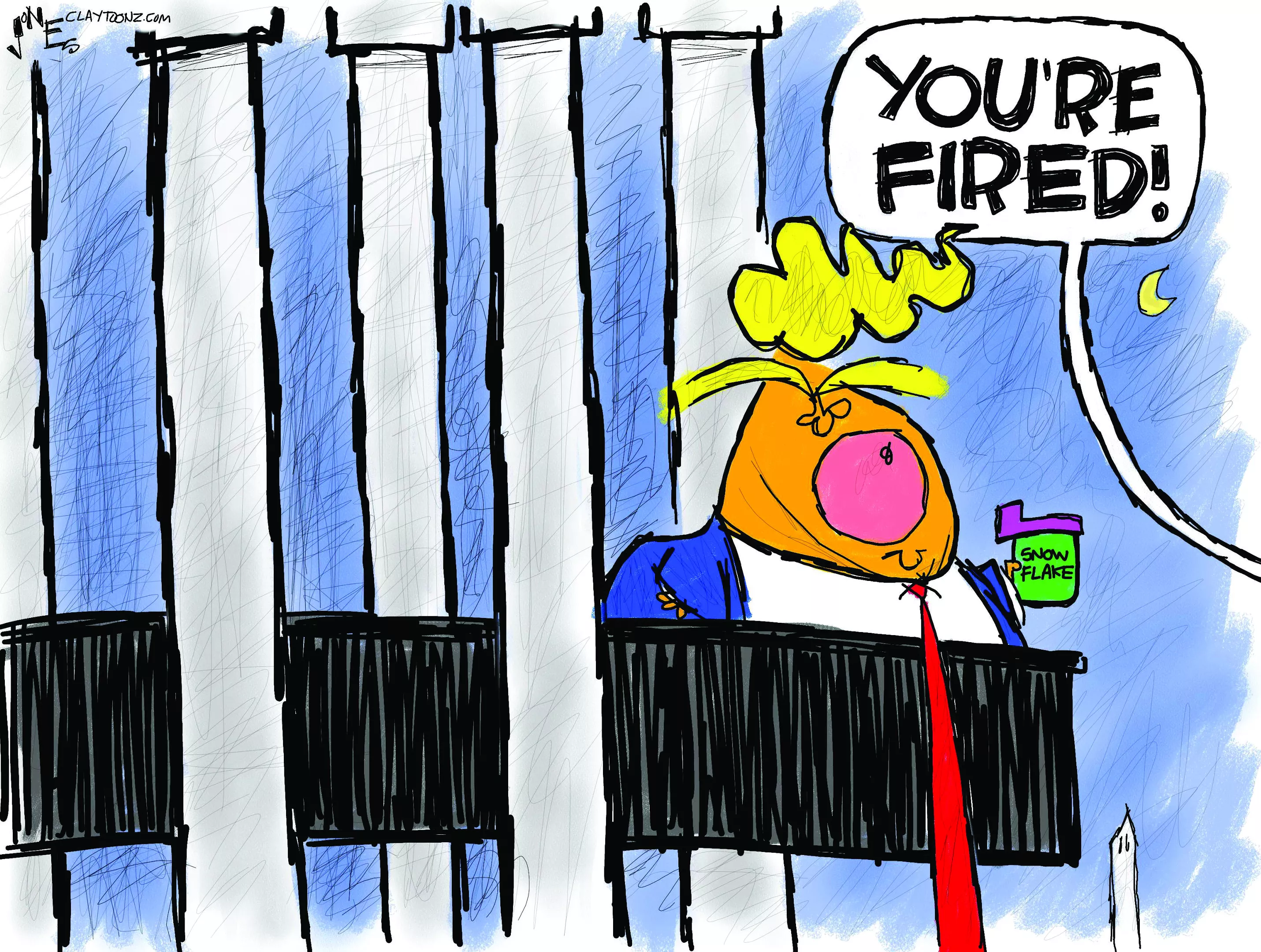
Saturday, November 7, 2020
Friday, November 6, 2020
Pima County counted another 7,325 votes today.
The county now estimates that only a few hundred early ballots remain to be tallied.
In addition, roughly 18,000 provisional ballots are in the process of being verified, according to a county press release. County Recorder F. Ann Rodriguez says the first batch of provisional ballots will be sent to the Election Department for counting on Monday.
Following today's tally, here's where things stand in Pima County:
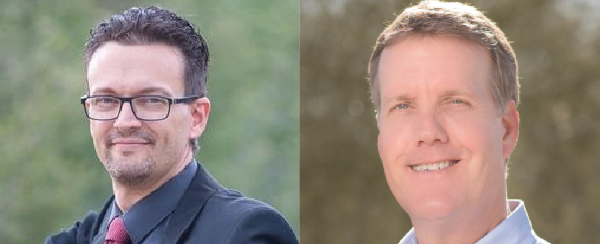
• After trailing on Election Night, Republican Treasurer Beth Ford has now widened her lead over Democrat Brian Bickel to 3,146 votes.
• In a rematch of the 2016 race, Democratic challenger Chris Nanos was still leading Republican Sheriff Mark Napier, the candidate he lost to four years ago, but Napier had narrowed Nanos' lead by 902 votes and now trailed by 5,379 votes.
• Democrat Rex Scott has a thinning lead over Republican Steve Spain in the race for the District 1 seat on the Pima County Board of Supervisors. Scott, a former school administrator, was ahead of Spain by just 1,854 votes after today's tally. He lead this morning by more than 2,400 votes this morning in the contest for the seat now held by retiring Supervisor Ally Miller.
If Scott’s lead holds up, it would be the first time a Democrat has held the District 1 seat in decades.
It would also mean four Democrats will be on the Pima County Board of Supervisors next year.
• In District 2, Democrat Matt Heinz, who defeated longtime Supervisor Ramon Valadez in the August primary, easily dispatched Republican Anthony Sizer, winning 68 percent of the vote.
• In District 3, Democrat Sharon Bronson won a seventh term on the board after she captured 58 percent of the vote against GOP challenger Gabby Saucedo Mercer.
• In District 4, incumbent GOP Supervisor Steve Christy will be the sole Republican on the Board of Supervisors after he won 54 percent of the vote against Democratic challenger Steve Diamond.
• In District 5, in the race for the open seat previously held by the late Supervisor Richard Elias, Democrat Adelita Grijalva defeated Republican Fernando Gonzales with 74 percent of the vote.
• In the race for County Recorder, Democrat Gabriella Cázares-Kelly had 60 percent of the vote against Republican Benny White.
• Democrat Suzanne Droubie had won 58 percent of the vote against Republican Jo Ann Sabbagh in the race for County Assessor.
• After winning a three-way primary race in August, Democrat Laura Conover was unopposed in the contest to replace Pima County Attorney Barbara LaWall, who is stepping down after six terms. County School Superintendent Dustin Williams was also unopposed in his bid for a second term.

