

Tuesday, November 24, 2020
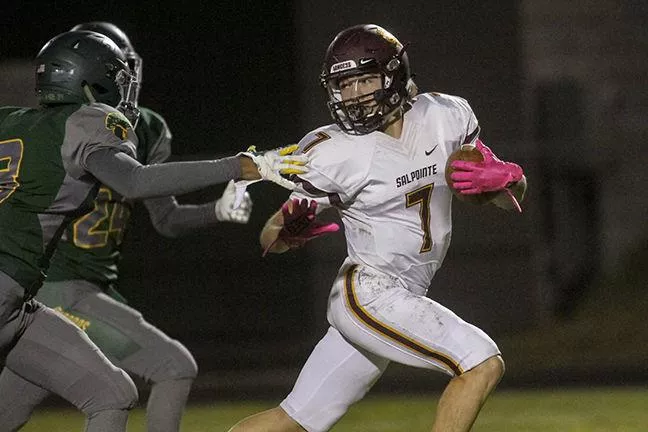
The superintendent of Tucson Unified School District announced the remainder of the district’s football season has been suspended today after considering guidance from the Pima County Administrator’s Office and public health recommendations from the Pima County Health Department, according to an email announcement.
Superintendent Gabriel Trujillo announced all winter sports practices and after-school performing arts rehearsals “are temporarily suspended and will be revisited on December 7th,” according to the email.
“Please know that Tucson Unified is not the only district to take this action as all southern Arizona school districts have also canceled the remainder of their respective game schedules which leaves our schools without opponents to play,” Trujillo said in the email. “I want to thank all of the hard-working coaches, athletes, and supportive parents that worked so hard to make this shortened season possible.”
TUSD initially allowed full-contact football practice after parents signed a waiver of release of all future claims against the district for any COVID-19 related damages, Trujillo said in a press conference on Nov. 12.
At the press conference, the superintendent said the district’s football games wouldn’t have public attendance, transportation was to be provided by parents and communal areas such as locker rooms and showers were off-limits.
Now, winter contact sports like soccer and basketball will also be postponed until further notice.
Three Arizona Wildcats and a former Arizona high school standout were among the players who heard their name called during the 2020 NBA Draft.
The event was conducted remotely with teams making their selections from their headquarters while players got the news surrounded by friends and family in their homes.
Wildcats Josh Green, a 6-foot-6 swingman, and Zeke Nnaji, a 6-foot-11 center, were taken in the first round of the draft and point guard Saben Lee, who graduated from Tempe’s Corona del Sol High and played at Vanderbilt, went early in the second round.
And a player who might have been expected to go ahead of all of them a year ago, lasted until the 48th overall before the Golden State Warriors nabbed him.
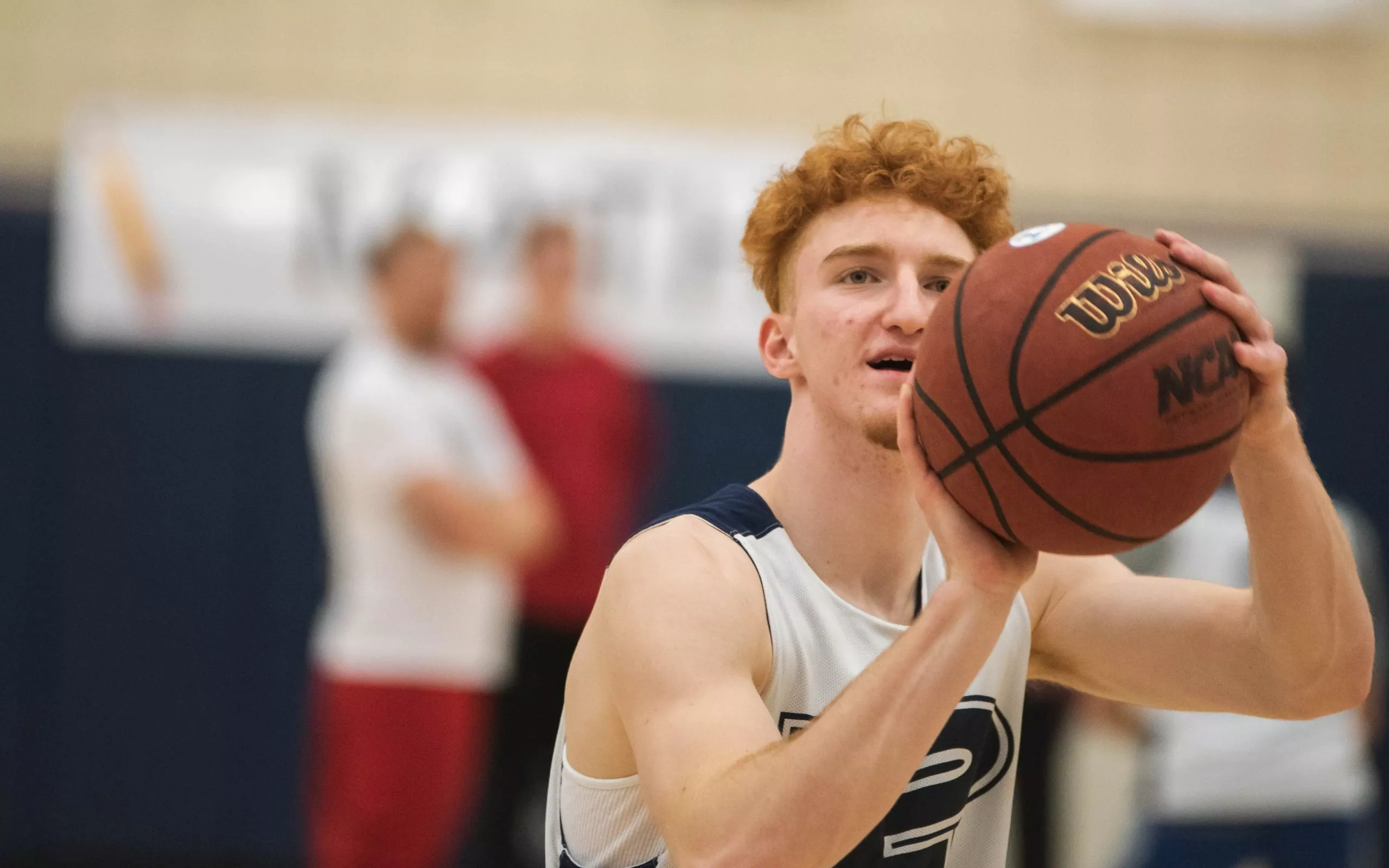
Nico Mannion, a 6-foot-3 point guard, was considered one of the top college prospects in the country when he signed with the Wildcats after a standout career at Pinnacle High School in Phoenix. Mannion even played for Italy’s national team as a teenager.
Mannion expected to hear his name called much earlier in the evening, but he might have landed in the ideal location.
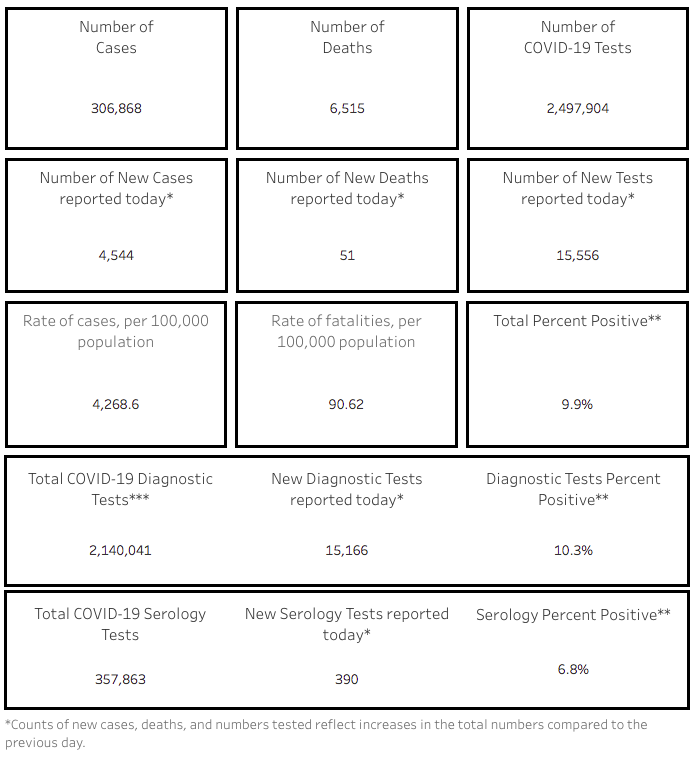
With more than 4,500 new cases reported today, the number of Arizona’s confirmed novel coronavirus cases closed in on 307,000 as of Tuesday, Nov. 24, according to the Arizona Department of Health Services.
Pima County, which r

eported 327 new cases today, has seen 36,986 of the state’s 306,868 confirmed cases.
With 51 new deaths reported yesterday, a total of 6,515 Arizonans had died after contracting COVID-19, including 679 deaths in Pima County, according to the Nov. 24 report.
The number of hospitalized COVID cases statewide continues to climb as the virus has begun to spread more rapidly, putting stress on Arizona’s hospitals. ADHS reported that as of Nov. 23, 2,084 COVID patients were hospitalized in the state, the highest that number has been since Aug. 1. That number peaked with 3,517 hospitalized COVID patients on July 13; it hit a subsequent low of 468 on Sept. 27.
A total of 1,372 people visited emergency rooms on Nov. 23 with COVID symptoms. That number peaked at 2,008 on July 7; it hit a subsequent low of 653 on Sept. 28.
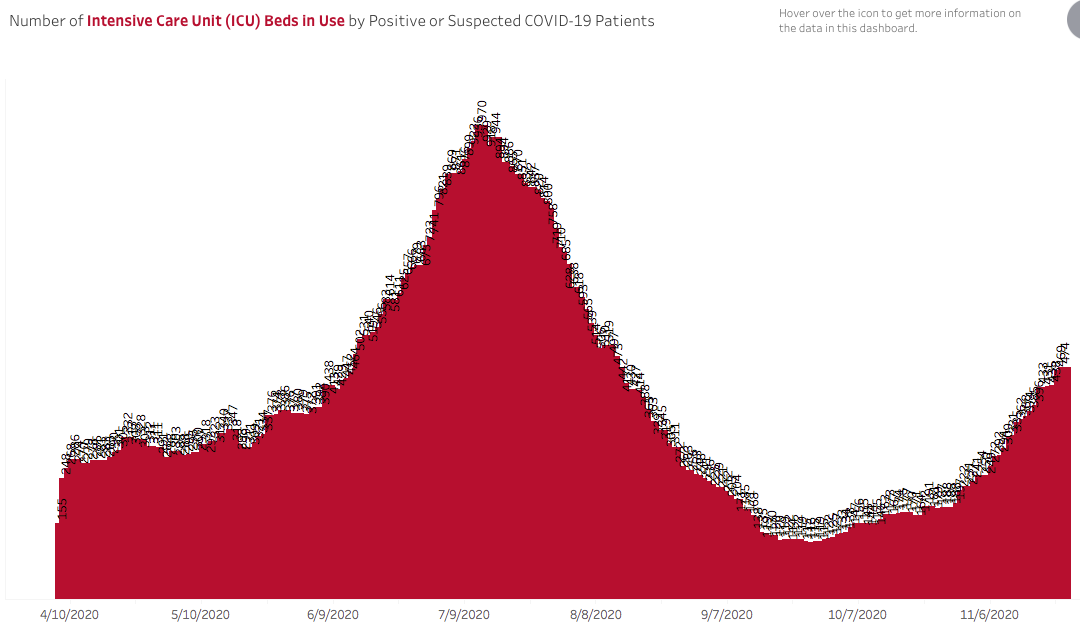
A total of 474 COVID-19 patients were in intensive care unit beds on Nov. 23, the highest that number has been since Aug. 12. The number of COVID patients in ICUs peaked at 970 on July 13 and hit a subsequent low of 114 on Sept. 22.
On a week-by-week basis in Pima County, the number of positive COVID tests peaked the week ending July 4 with 2,452 cases, according to an Nov. 23 report from the Pima County Health Department. (Numbers in this report are subject to revision.)
Pima County is seeing a dramatic rise in cases in recent weeks. For the week ending Oct. 31, 1,348 cases were reported; for the week ending Nov. 7, 2,122 cases were reported; and for the week ending Nov. 14, 2,561 cases were reported; and for the week ending Nov. 21, 2,575 cases were reported.
Pima County Administrator Chuck Huckelberry noted last week that the county had seen 4,620 cases in the first 17 days in November.
“For the first 17 days in July, the worst month of COVID-19 case increases to date, there were 5,057 cases,” Huckleberry said in a Nov. 17 memo. “Therefore, we are on pace to exceed the total number of monthly COVID-19 infections in our previous worst month, July.”
Monday, November 23, 2020
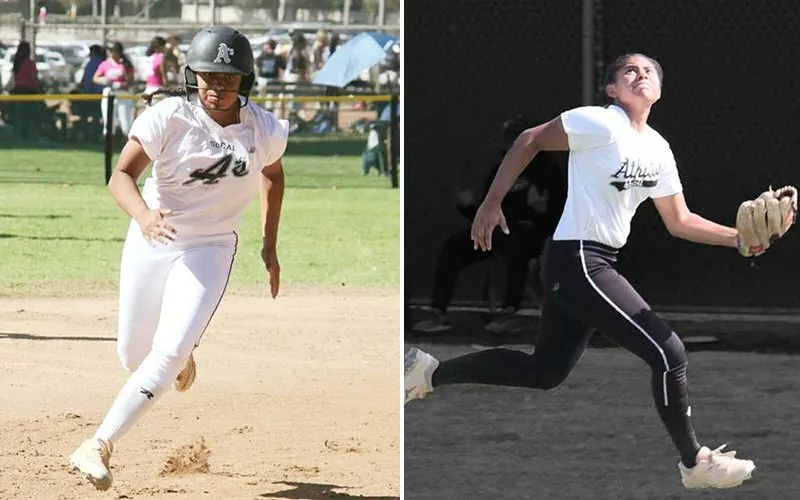
SAN CLEMENTE, California – High school athletes can’t play competitively this fall semester due to California’s pandemic restrictions, so some elite players are traveling to Arizona and other states to maintain their skills and continue developing a scouting profile for colleges.
With some high school sports indefinitely on hold, California athletes on club or travel teams are willing to travel to states with fewer restrictions, just for the chance to compete. Although physically distanced conditioning has been allowed since the start of school, local California districts have set their own timetables.
On Monday, Gov. Gavin Newsom announced a delay of the release of statewide guidance on the resumption of school sports, citing an alarming spike in COVID-19 cases, the Los Angeles Times reported. This makes it much tougher on sports families to keep their kids involved competitively, including the Luce family, with three boys all involved in sports.
“It’s definitely more coordinating and a lot more work,” said their mother, Julie Luce. “Getting out there is not easy.”
Although it has been difficult, she can’t deny her eldest son, Ryan, his aspirations of becoming a professional baseball player. In light of the high school sports postponement, Ryan’s family decided to hold the 14-year-old back from his freshman year to remain in eighth grade: he joined a sports academy middle school in San Clemente called the Togethership.
Luce and husband Anthony are providing Ryan the opportunity to play competitive baseball out-of-state. After resuming workouts in late July, Ryan and his family drove to Phoenix in September for his first interstate tournament with The Togethership.
Friday, November 20, 2020
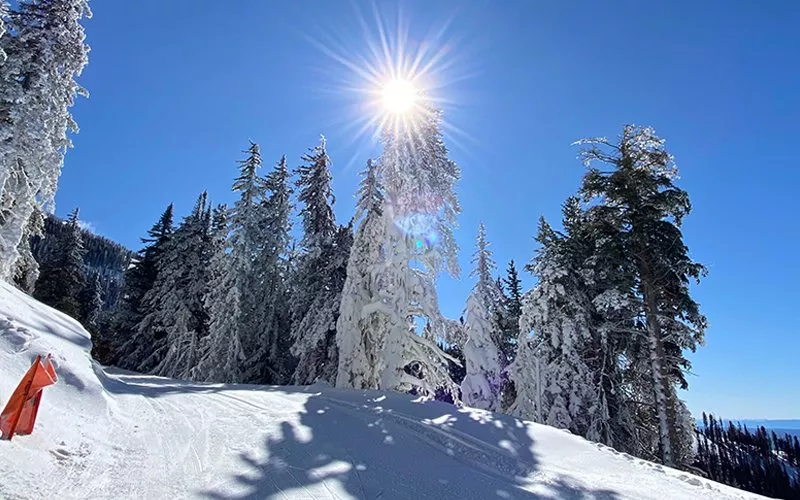
Snow in the Valley? Unlikely, but Arizonans can make their way about two hours north from Phoenix to Flagstaff to get a taste of winter.
Snowbowl Ski Resort, the Alpine slopes on Northern Arizona’s San Francisco Peaks, opens for the winter season on Friday, with some slight changes due to COVID-19 restrictions.
“Obviously we want people to have fun on the mountain,” said Li Cui, the marketing manager of Snowbowl Ski, “but health and safety is the most important thing for us because if you don’t feel safe then you’re probably not going to have fun.”
The biggest operational changes on the mountain are through ticket sales and capacity limitation.
“Ultimately our entire plan comes down to spreading people out as much as possible, outdoors,” Cui said.
“We feel very comfortable and believe skiing outside with plenty of space is a safe environment.”
The Snowbowl team will be closely monitoring weather conditions, the number of open trails, and the parking lot and lodging capacity.
“That daily limit is going to be very fluid … even honestly hour by hour,” Cui said.
The Arizona Interscholastic Association’s executive board voted during a special meeting Thursday to postpone the start of the high school winter sports season until Jan. 5 in response to rising COVID-19 rates across the state.
Competitive play for winter sports including basketball, soccer and wrestling was originally scheduled to start on Nov. 30.
This move will give schools more time to develop protocols to safely conduct winter sports while trying to keep students in school as virus cases trend upward, said AIA Executive Director David Hines.
“Delaying the start of the season will give our coaches and administrators time to implement safety protocols and put sports modifications in place,” Hines said. “ Just like getting fall sports off the ground, doing things the right way will allow for our sports to continue.”
According to the AIA, the start of the winter competitive season will be based on five factors:
- If a student-athlete participates with a non-school team/group, that student-athlete is excluded from practice and competition with the school team for 14 days since the last practice or competition of the non-school team/group.
- All winter sports modifications are required.
- No fans will be permitted until metrics are appropriate. AIA staff will be communicating with schools and districts statewide to evaluate readiness on a regular basis.
- No scrimmages, invitational tournaments or region tournaments will be allowed.
- No out-of-state competitions will be allowed.
Friday, Feb. 19, will be the last permissible day of competition for winter sports, including any play-in competitions, according to AIA officials.
Teams will be required to hold practice for a minimum of 14 days before competitive play. Winter sports practice for many area high schools began earlier in November.
To compensate for the postponement, the upcoming high school spring sports season, which was scheduled to start on Feb. 8, has been delayed to Feb.15.
Thursday, November 19, 2020
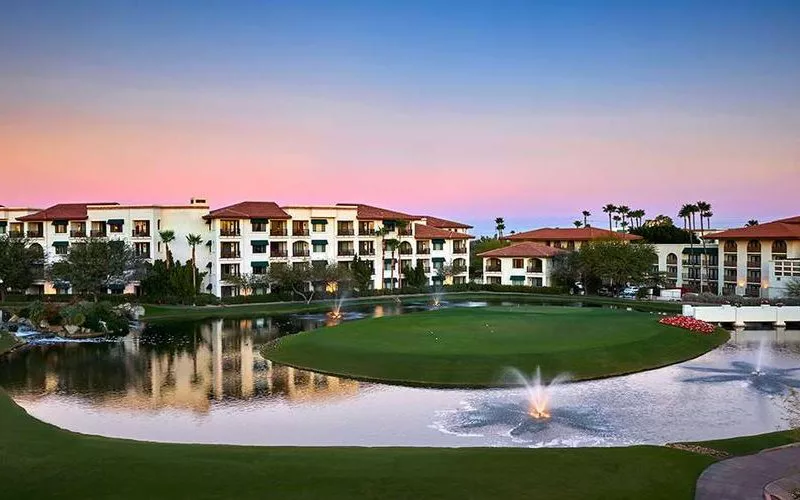
PHOENIX – The New Mexico State men’s basketball team has temporarily relocated to Phoenix due to stricter COVID-19 regulations in its state.
The Aggies will stay at the Arizona Grand Resort & Spa for five weeks, but could potentially stay longer depending on state updates regarding the pandemic.
The resort has accommodated the team’s needs, providing access to a full basketball court in a ballroom as well as a weight room.
Public health guidelines in New Mexico do not allow games or workouts with more than five people. Additionally, travelers from outside the state must quarantine for two weeks.
New Mexico’s coronavirus cases have been trending upward. Its cases in the last seven days per 100,000 is 68.3, according to the Center for Disease Control. Arizona’s is 33.4.
“After considering multiple states and venues, Arizona Grand in Phoenix, Arizona was selected,” said Mario Moccia, New Mexico State athletic director. “Our entire team felt that this specific location offers good isolation, an unlimited practice facility, testing capabilities and, quite frankly, the best economic option.”
With the season set to start Nov. 25, the team is still looking for a place to host its games and believes a university or a professional arena would be its best choice. Going to Las Vegas for home games is also an option.
Athletes and staff will continue to receive three COVID-19 tests per week as required by the NCAA. The team will be assisted by Dr. Brian Shafer, who has served as a team physician for multiple professional and collegiate teams, as well as New Mexico State’s athletic trainer, Mike Anderson, to ensure the team’s safety.
“We won’t be able to take our entire medical staff, so it’s great to have somebody like that, that you can reach out to,” said Braun Cartwright, New Mexico State’s deputy athletic director.
New Mexico State’s estimated cost of rooms, facilities, food and testing for five weeks will be about $79,000, not including transportation, Cartwright said.
The Aggies worked with the Arizona Sports Entertainment Commission and set the relocation up in four days.
“All these pieces came together, and they came together in three days,” ASEC executive director Nikki Balich said in a release. “That’s community, that’s what we do in Arizona. We are so unbelievably excited to have New Mexico State here.”
Tuesday, November 17, 2020
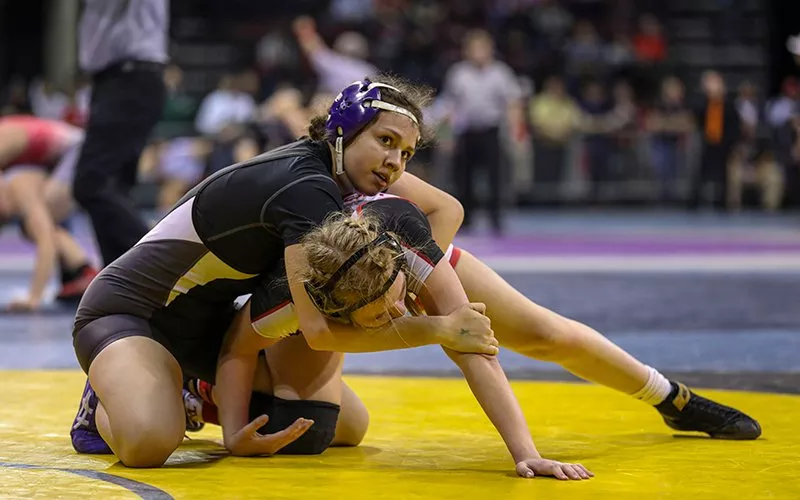
PHOENIX – The Arizona Interscholastic Association recommended postponing the start of winter high school sports such as basketball, wrestling and soccer to its executive board Monday, possibly pushing the start of those sports into January.
AIA Executive Director David Hines will meet with state health and education officials before the executive board votes on the proposal.
The news is forcing high school coaches to make some tough decisions.
“I think we had a good returning team and a good shot at repeating,” said Gino Crump, the basketball coach for defending 6A state champion Desert Vista. “(We’re) not practicing because I just don’t think it’s wise for me to get my team prepared to play. Some of the private schools or Catholic schools are practicing, but it just doesn’t make much sense to me to prepare my kids, and then get them ready to play and then they can’t compete.
“Our restrictions prevent us from (getting meaningful practice). You can’t share balls, you can only have a limited number of kids on the floor at one time, and those kind of things make it very restrictive to have a full and meaningful practice. I just chose not to do it.”
In a statement released Monday, the AIA, which is the governing body of Arizona high school sports, said:
“The Arizona Interscholastic Association has made a recommendation to the AIA’s Executive Board for consideration of postponing the start of the winter sports season. AIA Executive Director David Hines will meet with state health and education officials this week regarding the rising infection and positivity rates around Arizona. The information and statistics gathered at this meeting will be shared with the Executive Board at a meeting yet to be determined for a vote. The recommendation is to have the competition season begin sometime in January with the two weeks of mandatory AIA practice to take place before competition can begin.”
Monday, November 16, 2020
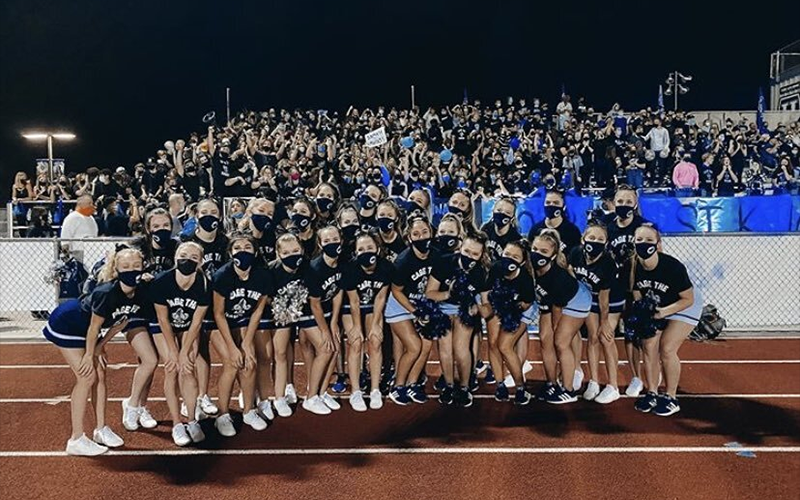
GILBERT – With several schools experiencing outbreaks of COVID-19 during the high school football season, social media has served as a platform for those pointing fingers at programs that appear to have stands packed with fans, many without face coverings.
But David Hines, executive director of the Arizona Interscholastic Association, which oversees high school sports in the state, said that the AIA can only issue protocols for players, coaches and officials on the field during the season.
It’s up to school districts to establish guidelines for fans, based on the recommendations of county health departments.
Photos of big crowds at schools such as Highland High, Higley High and Williams Field High in Gilbert and the private school Northwest Christian in Phoenix have surfaced on Twitter. Some are from fans and others from media members and they are often accompanied by comments about how closely fans are packed into the stands or the apparent lack of masks.
Hines said he is aware of the tweets, but noted that the crowds are outside the AIA’s jurisdiction.
“We put out a Return to Play document to get kids and coaches back to play,” Hines said. “We also have modifications, which are required for the schools to follow. Now part of our modifications is that the coaches, bench players, bench personnel, etc. all have to be in a mask all the time.
“Obviously, we have kids that come in and out of the game, that’s a little different story. The fans themselves are really under the purview of the school. During the regular season, the schools are in charge of those games.”
While the AIA does not have jurisdiction over how schools handle spectators, Hines said some schools are more diligent about ensuring that their fans are social distancing and wearing masks.
“Our recommendation is that all fans have a mask when they come in and keep a mask on when they are in that facility, especially in indoor facilities, because now we’re closer together, we have less ventilation, and all those criteria,” Hines said. “However, we have had some schools that aren’t quite as diligent as others with the requirement to their fans.
Friday, November 13, 2020
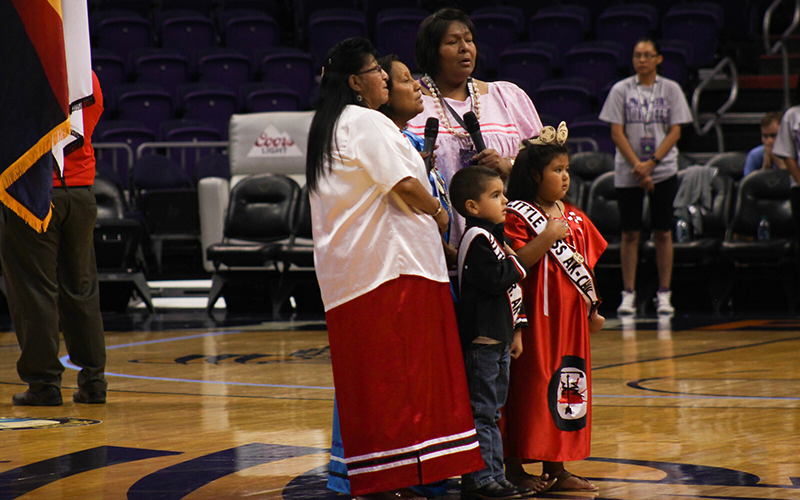
PHOENIX – After a one-year absence because of the COVID-19 pandemic, the Native American Basketball Invitational will return in July, showcasing indigenous basketball players from across the U.S., Canada and New Zealand at venues around the Valley.
The championship games will take place at the newly renovated downtown arena of the Phoenix Suns and Mercury.
The decision to cancel the 2020 tournament crushed organizers.
“We cried. We had tears when we had to cancel because we know how important the event is to the kids,” said GinaMarie Scarpa, founder and president of the NABI Foundation, which formed in 2002 to organize the event. “And then, of course, news stories started coming out about the cancellation and how devastating it was to our tribal youth across the country.”
It is another blow to a community that has been disproportionately impacted by the coronavirus. The Center for Disease Control and Prevention reports that Native Americans are 5.3 times more likely than the white community to be hospitalized due to COVID-19.
The NABI is considered the premier basketball tournament for indigenous youth, and was the first to become certified by the NCAA (2007), according to the organization’s website.
While basketball brings the athletes – boys and girls ages 14 to 19 – together for the tournament, the NABI Foundation’s ultimate goal is to teach athletes the importance of education and provide opportunities through scholarships and educational seminars. The program has provided more than $250,000 in scholarships.
During the invitational, NABI hosts a college and career fair. College scouts are on hand, and a training camp is offered. High school teams that participate can bring one freshman player for a free training camp and an educational youth seminar with guest speakers, who are often tournament alumni.
“We expanded our educational seminar to a full-blown educational youth summit,” Scarpa said. “We had 36 presentations in 2019. We had great speakers. So they really come to learn and we use basketball as a tool.”
While there is hope that the pandemic will be under control by July, the NABI is planning ahead in case it is still a threat. A Native American youth summit will be held online and organizers will strictly follow protocols recommended by the CDC and the state of Arizona.
“The NABI Foundation will continue to monitor the situation and amend the program according to imposed safety guidelines closer to the program dates. A full schedule of events will be released mid-June,” said Lynette Lewis, Director of Basketball Operations & Program Development, in the statement released by the NABI when the return of the event was announced.
One of the organization’s board members will play an important role in preparations.
“We have a wonderful kind of diverse board of directors, and one of our board of directors just happens to be one of the owners of a PPE (personal protective equipment) company,” Scarpa said. “So, he’s committed to providing everything we need for all the gyms, all the kids. I really think we will bring it back to normal.”
“I think if we do allow a big sporting event, it might be limited seating … masks are going to be mandatory, there will be sanitizing stations. We are going to do everything possible to keep our kids safe.”
While the tournament didn’t happen last summer, organizers were still at work. One avenue for raising funds at the tournament is the sale of merchandise during the event, and there are now plans to make items available beyond tournament week.
“Usually we’re like, ‘Nope, you have to buy it this week and then it’s done.’” Scarpa said. “And so, we are now in talks with another big sporting company who wants to take the NABI line nationally and online.
“Not only will it be sold at NABI during NABI week, but it will be sold all year round. We’ll have designers (and) have access to the graphic designers in their marketing department – all that fun stuff that goes with it – and also producing our own native theme for the uniforms for the teams.”
The NABI Foundation and tournament were started in 2002 by Mark West, the former Suns center and current team vice-president for player programs; Scarpa, who is the former executive director of the charitable foundation of another former Suns player, A.C. Green; and the late Scott Podleski, the former ticket director of the Arizona Rattlers who passed away from cancer in 2010.
Their enthusiasm for the project has carried on, and drives organizers still.
“I think it’s just the passion, and it’s my staff that shares that passion,” Scarpa said. “They love it. They love working with the kids. They love to see the outcome.”
Now with the NABI tournament set to return in 2021, Scarpa is hoping the event will continue to serve its purpose for years to come, providing educational opportunities for young Native American athletes as well as indigenous hoopers from Canada and beyond.
“It’s really the backbone portion of it, to load them up with opportunities,” Scarpa said. “The goal is (when they) leave NABI and NABI week, they’re really thinking seriously about a higher educational plan for their lives.”

