

Friday, October 30, 2020

WASHINGTON – Phoenix resident Rey Torres is “very happy to have been born into my culture” of a Mexican-American family – just don’t ask him if that means Democrats will be getting his vote this fall.
President Donald Trump has “respect for American jobs and … a laser focus on bringing jobs back to our country” among other positives, said Torres, a member of the Arizona Latino Republican Association.
Torres is not an outlier: A Pew Research poll from June found that 32% of Latino voters said they support Trump. An Equis Research survey released in September put support for the president among registered Latino voters in Arizona at 29%.
But while the polls showed some support for Trump, including growing support among young Latino men, they also reflect the fact that Latinos as a whole are still firmly in the Democrats’ camp.
“Generally speaking, Latinos have leaned towards the Democratic Party more than the Republican Party over the last 30 plus years,” said Mark Lopez, the director of global migration and demography research at Pew Research.

Thursday, October 29, 2020
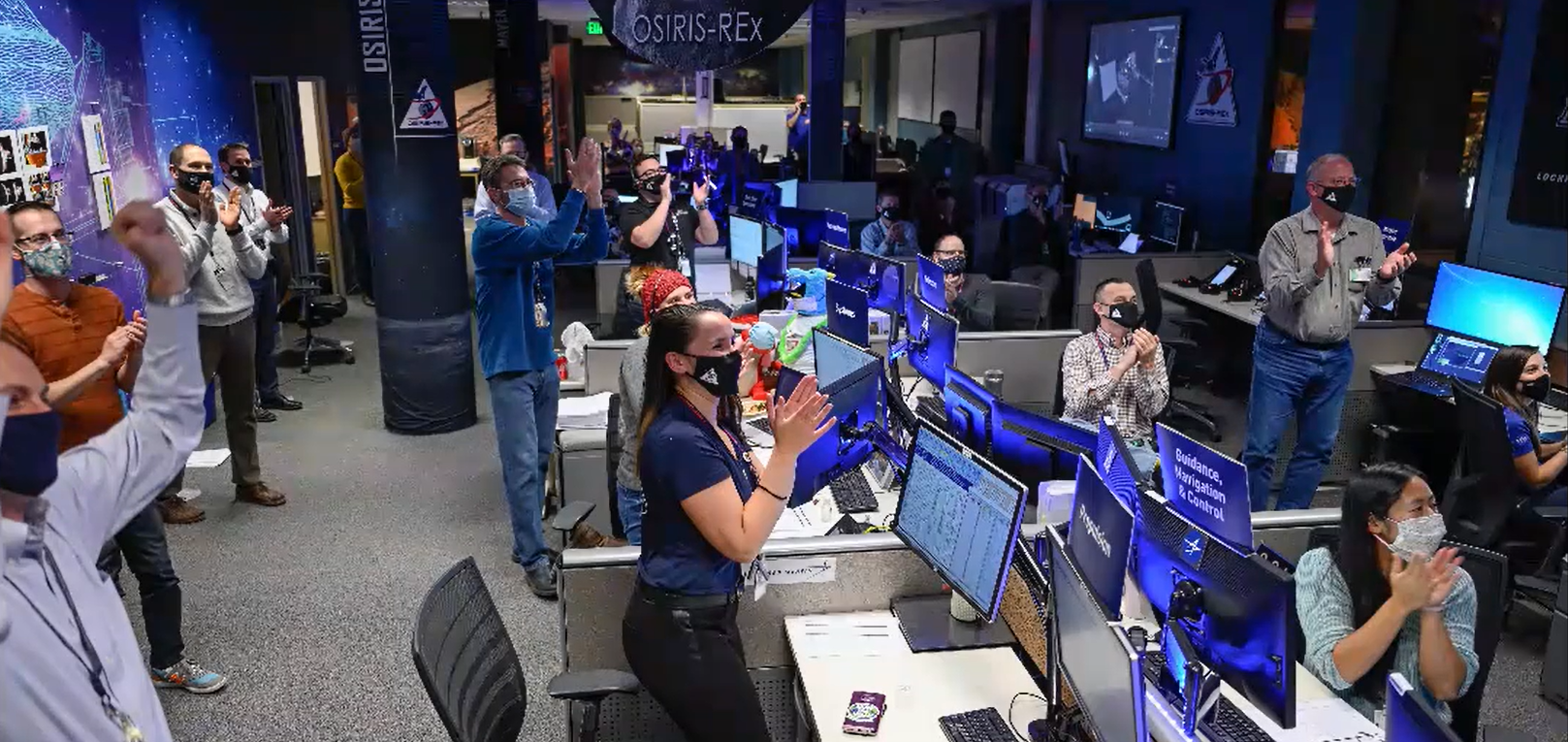
The University of Arizona-led space mission to retrieve a sample from an asteroid endured a tense day that turned out to be a blessing. On Tuesday Oct. 20, the OSIRIS-REx spacecraft touched down on the asteroid Bennu more than 200 million miles away to capture some of the rocks and dust on its surface. While the spacecraft successfully touched down and backed away, scientists soon realized the spacecraft’s sample collection compartment was overflowing with material., and some of the captured sample was slipping back into space.
“This turned out to be great news,” said OSIRIS-REx project manager Rich Burns. “But we knew we had to adapt our plans, because this definitely wasn’t something we planned for.”
Because there was an “abundant sample” and some was slipping out, the mission team quickly worked to stow away the collector head, a process that took two days, with preparations for the stowage event beginning Oct. 24. This loss of material required the team to redesign the timeline of their stowage process, which was originally slated for November.
According to the university, the process to stow the sample is unique compared to other spacecraft operations and required the team's continuous oversight and input over the two-day period. For the spacecraft to proceed with each step in the stowage sequence, the team had to assess images from the previous steps to confirm the operation was successful and the spacecraft was ready to continue. Because of the spacecraft’s distance there was roughly a 20-minute delay to receive messages and images. Ultimately, the team announced they were successful in stowing away the sample.
Agreements with NASA required the spacecraft to collect at least roughly 60 grams of material from the asteroid's surface — if that much was not collected, the team would have to try again. And although the collection compartment lost “tens of grams” worth of material, the OSIRIS-REx team estimates the spacecraft currently holds at least 400 grams worth of material. Because the images returned from the spacecraft only show a portion of the collection compartment, more than a kilogram of material may be captured, but we’ll have to wait until 2023 when the spacecraft returns to Earth to know for sure.
Data from the spacecraft also indicated that the sampling arm penetrated the asteroid’s rocky surface as deep as 48 centimeters. Dante Lauretta, OSIRIS-REx principal investigator and a professor of planetary sciences at UA, says it is likely some of the material captured is from that deep within the asteroid.
If successful, the OSIRIS-REx spacecraft will be the first American space mission to return a sample of an asteroid back to Earth. With the sample, scientists hope to better understand the formation of our solar system, and possibly even the origins of life on Earth.
Because the collected samples will be limited, Betsy Cantwell, UA’s senior vice president for research and innovation, says a major decision will be figuring out who gets to work with them. Cantwell expects a portion of the material will be investigated at UA, and some will even be stored for posterity to be examined when even more advanced scientific sensors are available in the future.
“Even though my heart breaks for the loss of sample, it turned out to be a pretty cool science experiment, and we’re learning a lot about how these particles behave in microgravity,” Lauretta said. “I'm very thankful that our team worked so hard to get this sample stowed as quickly as they did... Now, we can look forward to receiving the sample here on Earth and opening up that capsule."

Gov. Doug Ducey and Arizona Department of Health Services Director Dr. Cara Christ provided a COVID-19 update at a press conference today amid rising cases throughout the state.
On Oct. 29, the Arizona Department of Health Services reported 1,315 new COVID-19 cases throughout the state, with a percent positivity of 9.7%.
Pima County reported 105 new COVID-19 cases today and now has recorded 28,067 of Arizona’s 242,480 total positive cases.
“The recent increase in cases has resulted in an increase in the COVID-19 rates in many counties,” Christ said at the press conference. “At the Arizona Department of Health Services, we remain on high alert. We’ve worked to contain COVID-19 from all angles, and we continue to take further action in light of recent increases.”
Although Ducey acknowledged Arizona’s rising coronavirus numbers, he said in comparison to other states, “we’re not in that zone that we’re seeing in other places.”
“We do see this rising in different parts of the country, our expectation in Arizona has been that cases would continue to go up,” he said.
The governor recognized that the state’s current R naught number, which indicates how contagious a virus is, is currently at 1.16, which means coronavirus is spreading as fast as it did in June.
“Arizona did one of the best jobs in the nation when our time of challenge did come of driving it beneath one, but as we head into influenza season it becomes more challenging,” Ducey said.
Although the current rise in COVID-19 cases is alarming, Ducey said there’s even more to come.
“We know that there is a storm ahead of us, yet it’s not here,” Ducey said. “But those simple guidelines of wearing a mask, washing our hands, being socially distanced and using common sense have served us very well to date.”
However, the governor doesn’t plan on imposing new safety restrictions to prevent further spread of COVID-19.
“The mitigation that we’ve put out, the plan we put into effect remains in effect. I am proud that Arizona is open, that our economy is open, that our educational institutions are open and our tourist destinations are open,” Ducey said. “While at the same time, we do have mitigation steps in place that have allowed us to protect lives while protecting livelihoods, and we’re gonna continue to do that.”
Given the likelihood of travel and large gatherings, Christ says she anticipates seeing a spike 10-14 days after Thanksgiving that could potentially increase over the next 4-6 weeks.
In preparation for the holiday season, she said ADHS will be putting out guidance, working on mitigation strategies and making sure hospitals have enough resources, although she said the biggest barrier for hospitals is not “the beds, but could be the staffing.”
Christ urged citizens to continue mitigation tactics such as wearing a mask, maintaining social distancing and getting an influenza shot.
“We understand that this has been a difficult year, and many have grown tired of the mitigation strategies. But now is not the time to let up,” she said.
When asked about the example he’s setting for Arizonans after repeatedly attending public events sans-mask, including at a Trump rally at the Prescott Regional Airport Oct. 19 and as he spoke at today’s press conference, Ducey called upon the First Amendment.
“We’ve been consistent the entire time through the pandemic to protect people’s rights under the Constitution,” Ducey said. “There are five days left in the election cycle and we’ll continue to protect people’s rights.”
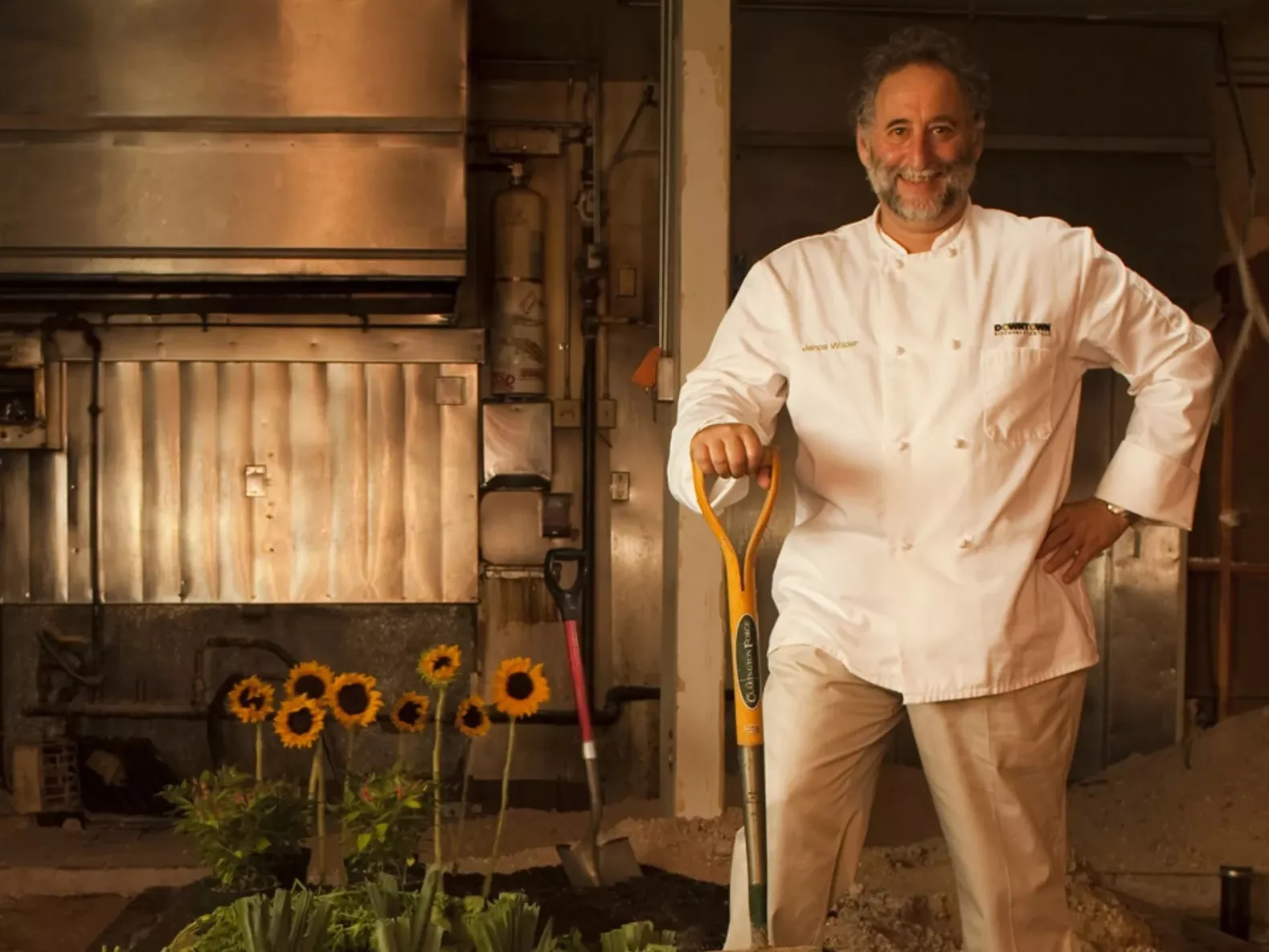
“This is unmistakably a tremendously hard time for small businesses, especially restaurants the world over,” Wilder said in a prepared statement. “For me personally it has also been an opportunity to take stock of where I am in my career and ask myself, is the day to day of running a restaurant really the best use of my time now?”
After more than 50 years of working as a professional chef, Wilder announced he will use this time to focus on his family.
In addition, Wilder's Carriage House will continue its catering and group event business. Wilder will produce and present a series of online cooking classes: "Cooking in the Time of Covid" which will feature easy to prepare meals at home.
"These last 10 years downtown have seen a rebirth of our urban core," Wilder said. "The pandemic is a setback and my heart aches for so many that are struggling to keep their doors open. Even in these challenging times, I am constantly amazed and inspired by the innovation and creativity of the next generation. Downtown Tucson will continue to thrive in the years to come. Like the desert we live in, we are a resilient community. I am so grateful for all this city has given me and my family and I am eager to continue to serve the community moving forward.”
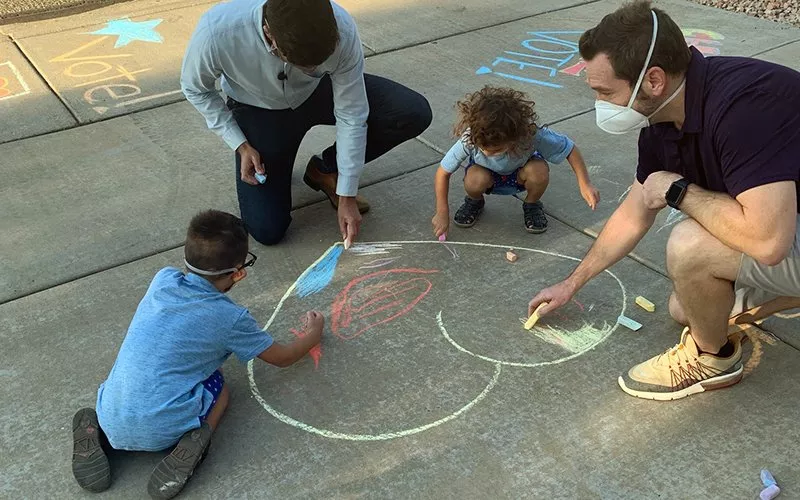
PHOENIX – Divya Yoder and her family were out on the sidewalk in front of their home one recent Sunday, writing chalk messages to encourage their neighbors to vote.
“Vote early,” one read. “United we stand,” read another.
The Yoders weren’t the only family taking chalk to concrete with similar messages in recent days. Hundreds of Arizonans were doing the same, along with thousands of families across the country as part of #ChalkTheVote, which was created by the non-profit organization ParentsTogether to urge families to vote on Nov. 3.
Yoder, the mother of two young boys, wanted them to understand the importance of voting – a right that isn’t available to everyone.
“You know, we live in a community with our loved ones, friends, neighbors, and children, and some of them don’t have the privilege and we make the decisions to vote for ourselves and for the ones around us,” said Yoder, who immigrated to the U.S. from the United Kingdom when she was 5, became a U.S. citizen six years ago and voted for the first time in 2016.
Yoder, who’s of East Indian descent, said her background has informed her views on the right to vote, and what she wants her sons to understand.
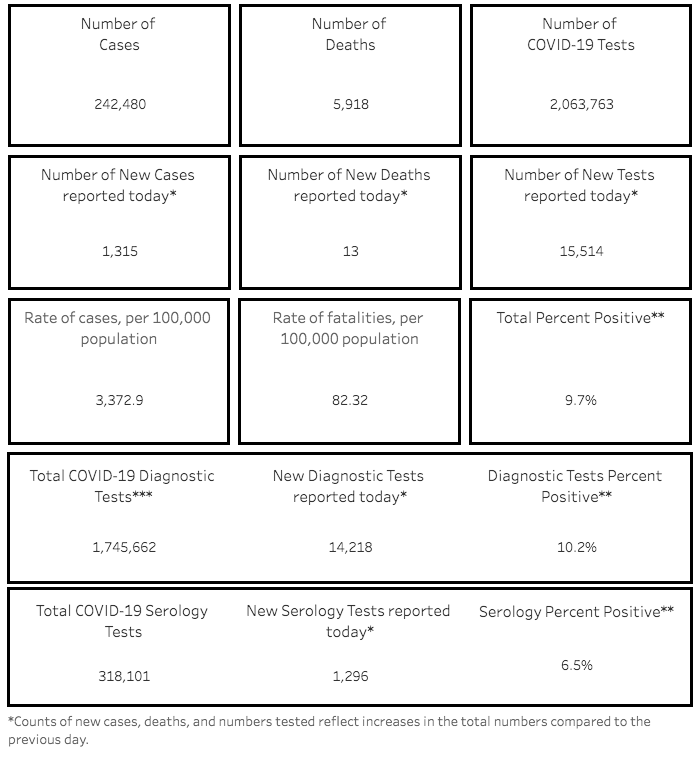
With 1,315 new cases reported today, the number of Arizona’s confirmed novel coronavirus cases topped 242,000 as of Thursday, Oct. 29, according to the Arizona Department of Health Services.

With 105 new cases reported today, Pima County had seen 28,067 of the state’s 241,116 confirmed cases.
With 14 new deaths reported yesterday, a total of 5,905 Arizonans had died after contracting COVID-19, including 638 deaths in Pima County, according to the Oct. 29 report.
The number of hospitalized COVID cases has declined from July peaks but has ticked upward in recent weeks as the virus has begun to spread more rapidly. ADHS reported that as of Oct. 28, 874 COVID patients were hospitalized in the state. That number peaked with 3,517 hospitalized COVID patients on July 13; it hit a subsequent low of 468 on Sept. 27.
A total of 857 people visited emergency rooms on Oct. 28 with COVID symptoms. That number peaked at 2,008 on July 7; it hit a subsequent low of 653 on Sept. 28.
A total of 186 COVID-19 patients were in intensive care unit beds on Oct. 27. The number of COVID patients in ICUs peaked at 970 on July 13 and hit a subsequent low of 114 on Sept. 22.
Arizona Department of Health Director Cara Christ noted on her blog last week that cases in the state were on the increase.
Christ wrote that while Arizona has not seen as big a surge as other states, “we have recently seen a shift of COVID-19 spread in the wrong direction.”
Christ noted that the statewide positivity results from tests has climbed from 3.9 percent to 5.5 percent in recent weeks.
Christ urged Arizonans to wear masks but noted the numbers across the state still indicated “moderate” spread of the coronavirus and hospitals are not reporting a surge of patients.
On a week-by-week basis in Pima County, the number of positive COVID tests peaked the week ending July 4 with 2,452 cases, according to an Oct. 21 report from the Pima County Health Department.
After a bump following the return of UA students, cases on a week-to-week basis declined but have hit a plateau. For the week ending Sept. 19, 1,221 cases were reported; for the week ending Sept. 26, 599 cases were reported; for the week ending Oct. 3, 526 cases were reported; for the week ending Oct. 10, 462 cases were reported; and for the week ending Oct. 17, 501 cases were reported.
Deaths in Pima County are down from a peak of 54 in the week ending July 4 to 10 in the week ending Sept. 5, one in the week ending Sept. 12, four in the week ending Sept. 19, four in the week ending Sept. 26 and one in the week ending Oct. 3.
Hospitalization peaked the week ending July 18 with 221 COVID patients admitted to Pima County hospitals, but it has been on the rise in recent weeks. In the week ending Sept. 12, 24 patients were admitted; in the week ending Sept. 19, 17 patients were admitted; in the week ending Sept. 26, 15 people were admitted; in the week ending Oct. 3, 20 patients were admitted; in the week ending Oct. 10, 27 people were admitted; and the week ending Oct. 17, 33 people were admitted. (Recent weeks are subject to revision.)
Get tested: Pima County offers free COVID testing, UA offering antibody testing
The Pima County Health Department has four free testing centers around town with easy-to-schedule appointments—often with same-day availability—with results in 24 to 72 hours.
You’ll have a nasal swab test at the Kino Event Center (2805 E. Ajo Way) the Udall Center (7200 E. Tanque Verde Road) and downtown (88 E. Broadway). The center at the northside Ellie Towne Flowing Wells Community Center, 1660 W. Ruthrauff Road, involves a saliva test designed by ASU.
Schedule an appointment at pima.gov/covid19testing.
The University of Arizona’s antibody testing has been opened to all Arizonans as the state attempts to get a handle on how many people have been exposed to COVID-19 but were asymptomatic or otherwise did not get a test while they were ill.
To sign up for testing, visit https://covid19antibodytesting.arizona.edu/home.
—with additional reporting from Nicole Ludden, Austin Counts, Jeff Gardner and Mike Truelsen

WASHINGTON – President Donald Trump and Democratic vice presidential nominee Kamala Harris were back stumping in Arizona Wednesday, evidence of what one report calls the high “voter power” of residents of the swing state.
The WalletHub report, “2020’s States with the Most and Least Powerful Voters,” rated Arizona the state with the fifth-most powerful voters, based largely on Arizona’s relatively newfound status as a toss-up state.
The high ranking “will come as a pleasant surprise to a lot of Arizonans,” said Jason Rose, an Arizona political consultant. “I don’t think most Arizonans really thought of themselves as all that important, because of the history of it being a red state – until now, perhaps.”
Voters may not think of themselves as important, but the presidential campaigns apparently do.
Harris had campaign stops scheduled Wednesday in Phoenix and Tucson, where she took part in “drive-in rallies” of about 100 cars at each event. She was joined in Phoenix by singer Alicia Keys.

Wednesday, October 28, 2020

Democrats agree that Trump’s caused asylum-seekers unacceptable misery. But the goal of deterring people from migrating to the U.S. — which has motivated Trump’s complex web of border policies — has seduced some Democrats, too.
In early October, hundreds of migrants in Honduras set out in a “caravan” with plans to travel through Mexico to the United States.
The timing was similar to a caravan two years ago, which swelled to thousands of people, overwhelmed Guatemalan and Mexican border authorities and became the leading issue for President Donald Trump and Republicans going into the 2018 midterm election.
The latest caravan was stopped hundreds of miles short of the U.S. border, hardly making a blip in the news cycle. Shortly after entering Guatemala, police and migration authorities set up roadblocks and rounded up the group for deportation back to Honduras.
It was so routine that Trump, ill with COVID, didn’t even bother to bang out a celebratory tweet, much less talk about deploying the military to avert an invasion as he did in 2018.
The fate of the caravan is a symbol of a larger success. Over the past year and a half, Trump and his relentlessly focused aide, Stephen Miller, have largely achieved their goal of choking off the flow of unauthorized immigrants into the United States — especially families from Central America, many of whom come with the intention of requesting asylum. They have done so with a combination of policies that Tom Jawetz, a former Democratic aide to the House Judiciary Committee, describes as a “waterproof fabric” to repel migrants.
New U.S. regulations and legal precedents make it harder for someone to be granted asylum once they arrive. But few these days even get the chance to ask. As much as possible, the Trump administration has simply expelled asylum-seekers.

