

Friday, May 22, 2020
If you have Medicare and want to be tested for coronavirus disease 2019 (COVID-19), the Trump administration has good news.
Medicare covers tests with no out-of-pocket costs. You can get tested in your home, doctor’s office, a local pharmacy or hospital, a nursing home or a drive-through site. Medicare does not require a doctor’s order for you to get tested.
Testing is particularly important for older people and nursing home residents, who are often among the most vulnerable to COVID-19. Widespread access to testing is a critical precursor to a safe, gradual reopening of America. When a vaccine for COVID-19 is developed, Medicare will cover that, too.
For Medicare beneficiaries who are homebound and can’t travel, Medicare will pay for a trained laboratory technician to come to your home or residential nursing home to collect a test sample. (This doesn’t apply to people in a skilled nursing facility on a short-term stay under Medicare Part A, as the costs for this test, including sample collection, are already covered as part of the stay.)

Medicare covers tests with no out-of-pocket costs. You can get tested in your home, doctor’s office, a local pharmacy or hospital, a nursing home or a drive-through site. Medicare does not require a doctor’s order for you to get tested.
Testing is particularly important for older people and nursing home residents, who are often among the most vulnerable to COVID-19. Widespread access to testing is a critical precursor to a safe, gradual reopening of America. When a vaccine for COVID-19 is developed, Medicare will cover that, too.
For Medicare beneficiaries who are homebound and can’t travel, Medicare will pay for a trained laboratory technician to come to your home or residential nursing home to collect a test sample. (This doesn’t apply to people in a skilled nursing facility on a short-term stay under Medicare Part A, as the costs for this test, including sample collection, are already covered as part of the stay.)
The travel forecast for this Memorial Day weekend is fuzzy – just another victim of the COVID-19 pandemic.
For the first time in 20 years, AAA has canceled its Memorial Day travel forecast as COVID-19 has affected the way it collects data for its survey. Experts say the traffic is not likely to be anywhere near the 43 million Americans who traveled for the holiday last year, but after that it’s anybody’s guess.
“I think people just don’t know. I think people in the industry don’t know either,” said Eileen Ogintz, a family travel columnist. “It is just hard to gauge what is going to happen.”
That’s true for all aspects of summer travel, with restrictions and concerns over COVID-19 likely to force Arizonans to look for alternative summer vacation plans.
AAA Arizona spokesperson Aldo Vazquez said travelers should be prepared for varying COVID-19 guidelines if they are going to other states. That includes traveling with masks and hand sanitizers and double-checking their preparations.
“Many travel providers – airlines, hotels, cruises – they have also altered their itinerary and adjusted policies in response to the pandemic,” Vazquez said. “A lot of them are being very flexible right now in terms of working with you to kind of help you in the event that there is something that happens given the state of affairs.”
For the first time in 20 years, AAA has canceled its Memorial Day travel forecast as COVID-19 has affected the way it collects data for its survey. Experts say the traffic is not likely to be anywhere near the 43 million Americans who traveled for the holiday last year, but after that it’s anybody’s guess.
“I think people just don’t know. I think people in the industry don’t know either,” said Eileen Ogintz, a family travel columnist. “It is just hard to gauge what is going to happen.”
That’s true for all aspects of summer travel, with restrictions and concerns over COVID-19 likely to force Arizonans to look for alternative summer vacation plans.
AAA Arizona spokesperson Aldo Vazquez said travelers should be prepared for varying COVID-19 guidelines if they are going to other states. That includes traveling with masks and hand sanitizers and double-checking their preparations.
“Many travel providers – airlines, hotels, cruises – they have also altered their itinerary and adjusted policies in response to the pandemic,” Vazquez said. “A lot of them are being very flexible right now in terms of working with you to kind of help you in the event that there is something that happens given the state of affairs.”
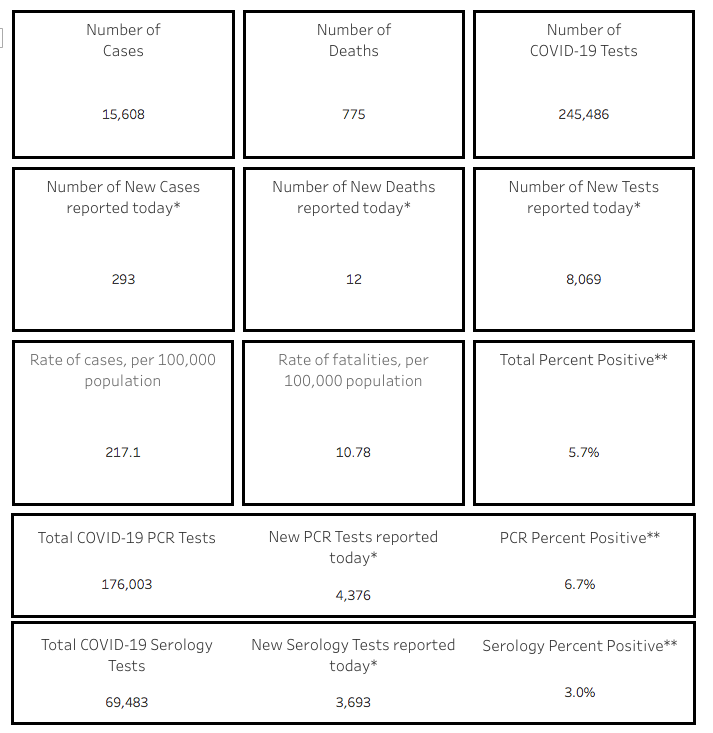
The number of confirmed coronavirus cases in Arizona topped 15,608 as of Friday, May 22, according to the morning report from the Arizona Department of Health Services.
Pima County had 1,974 confirmed cases.
The coronavirus had killed 775 people statewide, including 174 in Pima County, according to the report.
In Maricopa County, the number of confirmed COVID-19 cases had risen to 7,950.
Because symptoms can take as long as two weeks to appear after exposure to the virus (while some people can remain entirely asymptomatic), health officials continue to urge the public to avoid unnecessary trips and gatherings of more than 10 people, especially if you have underlying health conditions, and have advised people to cover their faces with masks in public.
With Arizona's stay-at-home order lifted, businesses are reopening across the state, some more cautiously than most. While Gov. Doug Ducey has praised the responsibility approach he sees Arizonans taking, local elected officials such as Tucson Mayor Regina Romero have warned that he is proceeding too quickly and Arizona may see a resurgence of the virus.
"I don’t want our economy to just re-open, I want it to remain open," Romero said. "That will not happen if there is a second wave of the virus and we are forced to shut down again."
Dr. Bob England, the director of the Pima County Health Department, said people who are vulnerable to COVID-19 should continue to take precautions.
"Just know that if you're vulnerable, if you're older, if you have underlying health conditions that put you at higher risk, then please, please, please hunker down for a while longer," England cautioned. England said last week that the results of reopening so many establishments wouldn’t be known for weeks as test results tend to lag behind the actual spread of the virus. “It will take a few weeks to know the impact of this so we won’t know until early June what all of this is doing to the epidemic curve,” England said in a recent daily briefing.
In other COVID-related news:
• The Pima County Board of Supervisors voted 3-2 along party lines yesterday to revise the emergency health regulations they passed last week on party lines. The health regulations, related to the “best practices” strategies developed by the county’s Back To Business Task Force, came under fire from some members of the restaurant sector as well as local GOP state lawmakers, who asked Attorney General Mark Brnovich to look into whether the board was violating state law by enacting the regulations.
Pima County had 1,974 confirmed cases.

The coronavirus had killed 775 people statewide, including 174 in Pima County, according to the report.
In Maricopa County, the number of confirmed COVID-19 cases had risen to 7,950.
Because symptoms can take as long as two weeks to appear after exposure to the virus (while some people can remain entirely asymptomatic), health officials continue to urge the public to avoid unnecessary trips and gatherings of more than 10 people, especially if you have underlying health conditions, and have advised people to cover their faces with masks in public.
With Arizona's stay-at-home order lifted, businesses are reopening across the state, some more cautiously than most. While Gov. Doug Ducey has praised the responsibility approach he sees Arizonans taking, local elected officials such as Tucson Mayor Regina Romero have warned that he is proceeding too quickly and Arizona may see a resurgence of the virus.
"I don’t want our economy to just re-open, I want it to remain open," Romero said. "That will not happen if there is a second wave of the virus and we are forced to shut down again."
Dr. Bob England, the director of the Pima County Health Department, said people who are vulnerable to COVID-19 should continue to take precautions.
"Just know that if you're vulnerable, if you're older, if you have underlying health conditions that put you at higher risk, then please, please, please hunker down for a while longer," England cautioned. England said last week that the results of reopening so many establishments wouldn’t be known for weeks as test results tend to lag behind the actual spread of the virus. “It will take a few weeks to know the impact of this so we won’t know until early June what all of this is doing to the epidemic curve,” England said in a recent daily briefing.
In other COVID-related news:
• The Pima County Board of Supervisors voted 3-2 along party lines yesterday to revise the emergency health regulations they passed last week on party lines. The health regulations, related to the “best practices” strategies developed by the county’s Back To Business Task Force, came under fire from some members of the restaurant sector as well as local GOP state lawmakers, who asked Attorney General Mark Brnovich to look into whether the board was violating state law by enacting the regulations.
For more Claytoonz click here.

Tags: maga , trump , covid19 , coronavirus , political , cartoon , Image
Thursday, May 21, 2020
Good evening! Here are the stories we covered for you today.
The number of confirmed coronavirus cases in Arizona topped 15,000 as of Thursday, May 21, according to the morning report from the Arizona Department of Health Services.
As the COVID-19 pandemic disrupted an untold number of events and businesses throughout the nation, the census continued quietly in the background.
For many musicians and performers out of work due to COVID-19, virtual performances have served as a mild bandage. But while performing in front of webcams may help ease the quarantine time, it doesn't replicate the community engagement found around Tucson’s stages and venues.
The endangered Gila topminnow is swimming in the newly restored pond at Agua Caliente on Tucson’s east side.
Local business owners still attempting to secure financial funding during the pandemic have less than a week left to apply for the City of Tucson's $1,000,000 dollar small business resiliency loan program.
About half of low-income Latino households and just as many Latino-owned businesses said they have not received any support from the massive COVID-19 relief bills, according to a nationwide poll released Wednesday.
A new survey finds differences in how Americans feel about water, and how those feelings translate into action.
The Pima County Board of Supervisors voted 3-2 Thursday to revise last week's emergency amendments to the county's health code for restaurants and bars after restaurant owners complained the new rules were too burdensome and Attorney General Mark Brnovich launched an investigation into the rules at the request of local GOP state lawmakers.

The number of confirmed coronavirus cases in Arizona topped 15,000 as of Thursday, May 21, according to the morning report from the Arizona Department of Health Services.
As the COVID-19 pandemic disrupted an untold number of events and businesses throughout the nation, the census continued quietly in the background.
For many musicians and performers out of work due to COVID-19, virtual performances have served as a mild bandage. But while performing in front of webcams may help ease the quarantine time, it doesn't replicate the community engagement found around Tucson’s stages and venues.
The endangered Gila topminnow is swimming in the newly restored pond at Agua Caliente on Tucson’s east side.
Local business owners still attempting to secure financial funding during the pandemic have less than a week left to apply for the City of Tucson's $1,000,000 dollar small business resiliency loan program.
About half of low-income Latino households and just as many Latino-owned businesses said they have not received any support from the massive COVID-19 relief bills, according to a nationwide poll released Wednesday.
A new survey finds differences in how Americans feel about water, and how those feelings translate into action.
The Pima County Board of Supervisors voted 3-2 Thursday to revise last week's emergency amendments to the county's health code for restaurants and bars after restaurant owners complained the new rules were too burdensome and Attorney General Mark Brnovich launched an investigation into the rules at the request of local GOP state lawmakers.

“We’ve been struggling with this for some time now and all the while the restaurant business has been struggling even deeper, trying to stay in business while trying to understand with clarity what direction they’re supposed to be following,” said Pima County Supervisor Steve Christy, who voted against the regulations.
Today's vote was along party lines, with Democratic Supervisors Ramon Valadez, Sharon Bronson and Betty Villegas voting for the changes and GOP Supervisors Ally Miller and Steve Christy voting against them.
Some of the most significant revisions include removal of the $500 civil penalty, allowing bartop seating as long as six-foot distancing requirements are met and nixing 50 percent occupancy guidelines if physical distancing allows for higher occupancy.
“I think we have adequately captured all of the information that has been provided. I think our revision that we had Tuesday afternoon was based on a large part from the comments we’ve received here,” Pima County Administrator Huckelberry said before reading the revisions. “With all the notifications suggested I believe we would recommend to the board adoption.”
The board also clarified that parties—not individuals—must be spaced 6 feet apart to be in compliance with the proclamation. The county is still requiring parties not to exceed 10 or more people. Servers are not required to wear gloves and only have to follow current health code handwashing policies, instead of documenting each hand sanitization or glove change.
“The specificity of number (to a party) has been left out on purpose,” Huckelberry said. “Typically it’s two, but it could be (more) if we follow the same language in the policy, it’s up to 10 per party.”
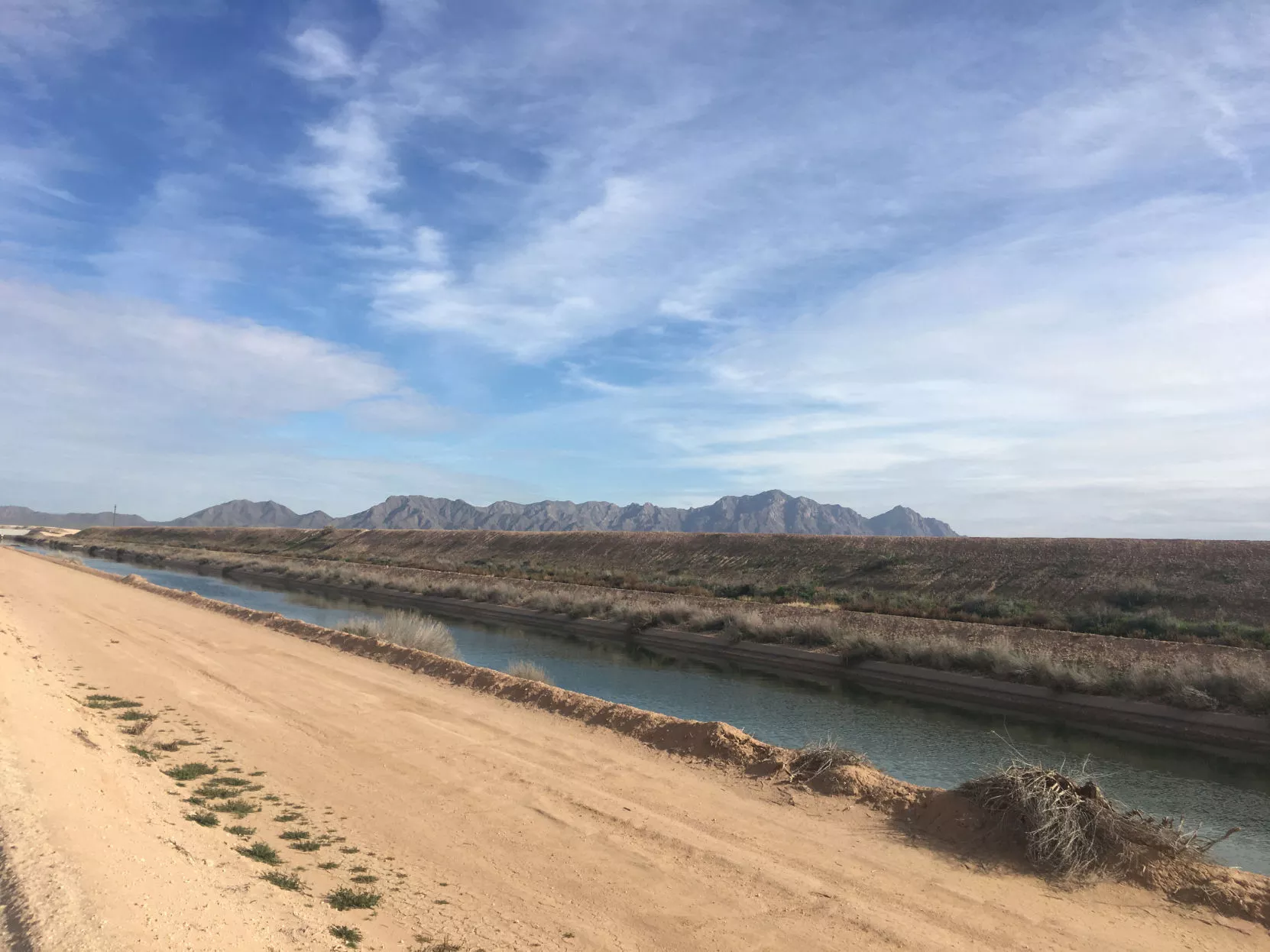
Lillian Donahue / Cronkite News
The Central Arizona Project canal system spans 336 miles and brings 1.5 million acre feet of water from the Colorado River down past Tucson.
The Water Main, a project from American Public Media, wanted to know how Americans think, feel and worry about their water. Among its findings is that knowledge of water issues isn’t the biggest predictor of whether someone takes the effort to act. Personal connections to particular rivers, lakes and oceans led to more concrete conservation measures.
“The big surprise is that knowledge, how much we know, and action aren’t as tightly correlated as we might think they are,” said Amy Skoczlas Cole, managing editor of the Water Main. “It wasn’t actually the people who knew the most about water who were doing the most, it was the people who felt the most connected to water who were taking the most action.”
Half of the 1,005 people surveyed reported feeling a strong personal connection to a river, lake, ocean or other body of water.
More people older than 65 felt this way than those younger than 45, the survey found.

President Donald Trump signs the Coronavirus Aid, Relief, and Economic Security – CARES – Act in March. The $2.2 trillion economic stimulus package includes funds for businesses and individuals affected by the fallout from COVID-19, but Latinos say they are not seeing the money. (Photo by Shealah Craighead/The White House)
The survey of 1,800 Latinos across all 50 states oversampled residents of six states, including Arizona. What it found was 48% of Latino households making under $25,000 did not receive any support. The same was true for small Latino-owned businesses, half which reported not being able to receive loans under the original stimulus bill.
Businesses in Arizona are no exception, said Tanairi Ochoa-Martinez, director of Fuerza Local, a nonprofit that supports Latino-owned businesses in the state.
“I’ve worked with hundreds of businesses and I can count on one hand how many businesses have been approved and actually received those funds,” Ochoa-Martinez said of the federal Paycheck Protection Program.
That $660 billion program directed Small Business Administration loans to businesses hit by COVID-19 shutdowns, with the possibility that the loans would be forgiven if the money was used to keep workers on the payroll through the pandemic.

“We want to make sure our historically underserved businesses are benefitting from the financial assistance programs that are so urgently needed right now,” Mayor Romero said.
The city council is encouraging women, minority, veteran and disabled business owners to apply for the city's We Are One/Somos Uno Resiliency Loan Program before midnight on May 26. Over $300,000 has already been disbursed through the Business Development Finance Corporation to local small businesses since the program began in April.
“We want to make sure our historically underserved businesses are benefitting from the financial assistance programs that are so urgently needed right now,” Mayor Romero said.
Eligible small businesses are required to be located within the city limits, have a valid City of Tucson business license or they can be registered in good standing with the Arizona Corporation Commission. Businesses must also have a bank or credit union account —or willingness to establish one—and cannot have more than 50 full-time employees. Franchises are eligible for the loan program as long as it's locally owned and listed on the SBA franchise registry.
If eligible, small businesses, sole proprietors, 1099 contractors and 501(C)(3) nonprofit organizations which meet the eligibility criteria can receive direct loans at zero percent interest.
National chains are not eligible for the program.
For more information or to apply for the city's resiliency loan, click here. You can also contact the City of Tucson Small Business Hotline at 520-837-4100.
The endangered Gila topminnow is swimming in the newly restored pond at Agua Caliente on Tucson’s east side.
500 Gila topminnows were released into the pond on Wednesday, May 13, by staff from multiple county and state agencies. The fish release, part of the larger Sonoran Desert Conservation Plan, has been years in the making.
The small green and black Gila topminnow once swam throughout Tucson’s water system, but loss of habitat and predation from non-native fish landed them on the endangered species list in 1967. Topminnows survived in sparse populations in the Santa Cruz watershed, such as in Cienega Creek.
“They were in very dire straits in terms of very few natural sites that still had them,” said Karen Simms, Natural Resources division manager for Pima County’s Natural Resources, Parks and Recreation Department. “There’s been a lot of effort in expanding the number of sites that have topminnow in recent years.”
Aside from loss of habitat, one of their greatest threats were the non-native mosquitofish, which outcompete them for food.
“The Gila topminnow actually do just as good of a job at mosquito control, so another one of our goals is to change over the water sources we manage to have topminnow instead of mosquitofish in them,” Simms said.

500 Gila topminnows were released into the pond on Wednesday, May 13, by staff from multiple county and state agencies. The fish release, part of the larger Sonoran Desert Conservation Plan, has been years in the making.
The small green and black Gila topminnow once swam throughout Tucson’s water system, but loss of habitat and predation from non-native fish landed them on the endangered species list in 1967. Topminnows survived in sparse populations in the Santa Cruz watershed, such as in Cienega Creek.
“They were in very dire straits in terms of very few natural sites that still had them,” said Karen Simms, Natural Resources division manager for Pima County’s Natural Resources, Parks and Recreation Department. “There’s been a lot of effort in expanding the number of sites that have topminnow in recent years.”
Aside from loss of habitat, one of their greatest threats were the non-native mosquitofish, which outcompete them for food.
“The Gila topminnow actually do just as good of a job at mosquito control, so another one of our goals is to change over the water sources we manage to have topminnow instead of mosquitofish in them,” Simms said.

