
Tuesday, August 10, 2021



WASHINGTON – The major political parties in Arizona have continued to lose voters since the November election, with strident partisanship “turning off” voters and driving them to register as independents, analysts said.
The most recent numbers from the Arizona Secretary of State’s office show that the Republican, Democratic and Libertarian parties all saw drops in registration from the general election through the end of June, while unaffiliated voters made strong gains.
While losses for political parties are expected after an election, political experts agreed, the shift in Arizona is unexpected, even for a state that typically has a significant number of independents.
“Both the Democratic and Republican parties are doing a remarkable job at turning off prospective voters,” said Jason Rose, a Republican political consultant. “The Democratic Party is now the party of Bernie Sanders, and we know who the face of the Republican Party is.”
Requests for comment from the state’s Republican and Democratic parties on the registration shifts were not returned.
Republicans remained the largest party in the state with 1,499,862 registered voters at the end of June, but that’s down 8,916 voters from the November election. Democrats lost 3,784 voters to fall to 1,374,540 in June.
“It’s hard to envision when the two parties, Democrats and Republicans, will be wildly popular,” said Nathan Gonzales, editor and publisher of Inside Elections. “There’s simply a general distrust with institutions, including official political parties.”

Monday, August 9, 2021
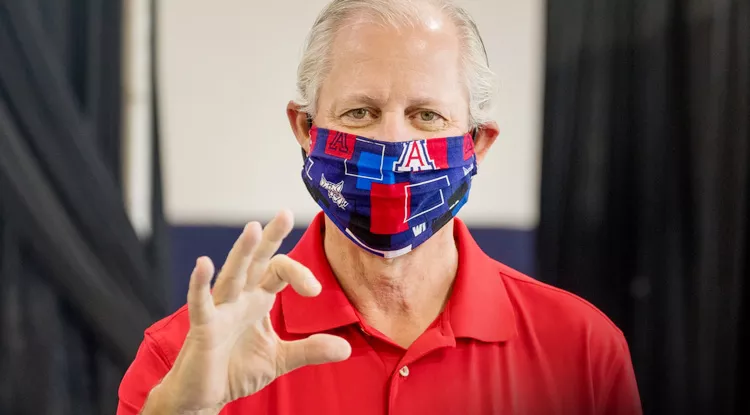
University of Arizona officials are urging students and staff to get vaccinated and mask
as they prepare to welcome students in two weeks to all in-person campus courses.
“We recognize the challenges presented to all of us by the Delta variant, which is more contagious than the lineages of SARS-CoV-2 to that we dealt with last academic year, and which is now the dominant strain in the United States,” said University of Arizona President Robert C. Robbins at the press briefing Monday morning. “This is a very critical moment. I know many of us relaxed over the summer, and we began to think that the pandemic was well behind us.”
At the end of the last school year, the University of Arizona held in-person commencement ceremonies and closed out the year with in-person courses. Over the past year, the university had required masks and implemented mandatory testing, but this year the university faces a rise in cases and an inability to implement key mitigation strategies.
Like K-12 schools, state law bars universities and community colleges from requiring that “a student obtain a COVID-19 vaccine or place any conditions on attendance or participation in classes including mandatory testing or face covering usage.”
Robbins said the university has decided to not challenge state law and will wait to see how the situation “plays out” for some K-12 schools, some of which have instituted mask mandates in Arizona.
When asked if the university considered implementing masks mandates or requiring vaccination before Sept. 29, when some argue the law comes into effect 90 days after the legislative session adjourns, former surgeon general and distinguished professor of Public Health Dr. Richard Carmona said the law was formerly an Executive Order, mandated by Gov. Doug Ducey.
“It is a law or an Executive Order, prior to the law, which mandates what we can and can't do, and we're working tirelessly to try and maximize our ability to keep the university safe, and open it as much as possible,” said Carmona.

Summer 2021 will likely be one of the hottest on record as dozens of cities in the West experience all-time high temperatures. The extreme heat being felt throughout many parts of the U.S. is causing hundreds of deaths, sparking wildfires and worsening drought conditions in over a dozen states.
How does all this broiling heat affect the broader economy?
As an economist who has studied the effects of weather and climate change, I have examined a large body of work that links heat to economic outcomes. Here are four ways extreme heat hurts the economy – and a little good news.
1. Growth takes a hit
Research has found that extreme heat can directly hurt economic growth.
For example, a 2018 study found that the economies of U.S. states tend to grow at a slower pace during relatively hot summers. The data shows that annual growth falls 0.15 to 0.25 percentage points for every 1 degree Fahrenheit that a state’s average summer temperature was above normal.
Laborers in weather-exposed industries such as construction work fewer hours when it’s hotter. But higher summer temperatures reduce growth in many industries that tend to involve indoor work, including retail, services and finance. Workers are less productive when it’s hotter out.
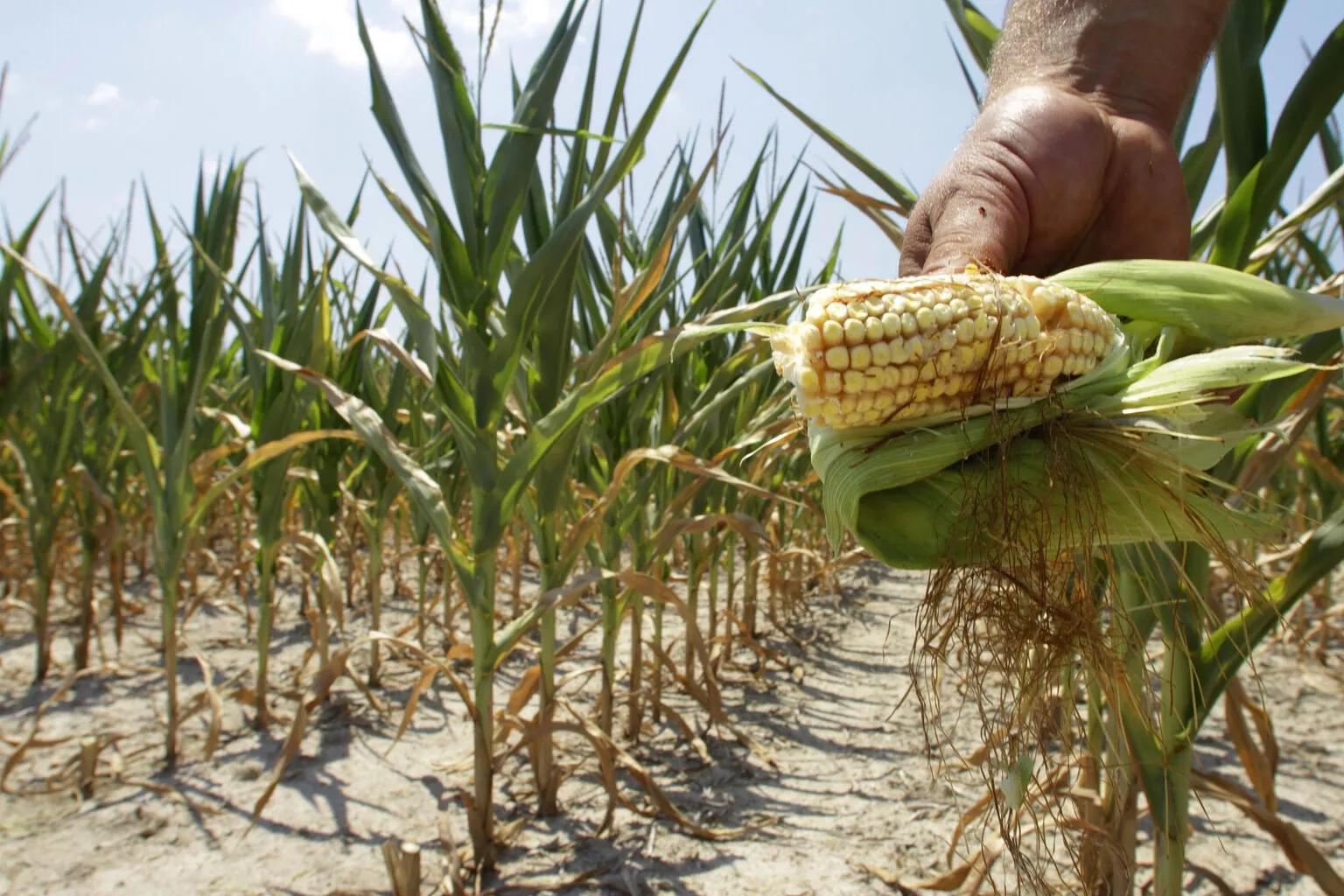
2. Crop yields drop
Agriculture is obviously exposed to weather: After all, crops grow outdoors.
Sunday, August 8, 2021

Saturday, August 7, 2021