Thursday, July 1, 2021
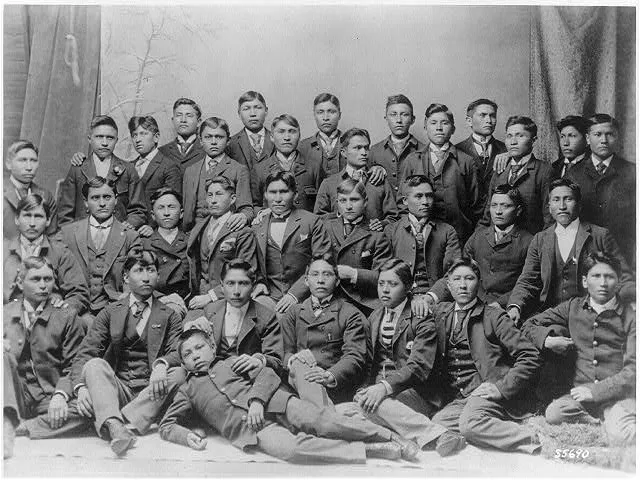
PHOENIX – When the Phoenix Indian School was established in 1891, the top federal administrator considered it a budgetary win to send Native American children to boarding schools to enforce assimilation into white society.
“It’s cheaper to educate Indians than to kill them,” Indian Commissioner Thomas Morgan said at the opening of the school.
The true cost of Indigenous boarding schools in the United States and Canada, and the abuses Native Americans endured in them, continues to be revealed. With nearly 1,000 bodies in mass graves discovered this month on the grounds of Canadian boarding schools amid their ongoing investigation, and Secretary of the Interior Deb Halaand’s recent pledge to investigate past abuses in the U.S., Arizona’s Indigenous boarding schools will face fresh scrutiny.
Rosalie Talahongva, who curates the Phoenix Indian School Visitor Center, said she and many of her Hopi relatives went to school there.
“If you ask, was that voluntary, I would ask you, is it voluntary when there isn’t any other option?” Talahongva said.
The Phoenix Indian School closed in 1990 by order of the federal government. But a handful of Indian boarding schools remain in operation.
“Lieutenant Richard Henry Pratt had a lot to do with the structure of these boarding schools,” Talahongva said, referring to the founder of the influential Carlisle Indian School in Pennsylvania. “His idea was ‘Kill the Indian, save the man.’ So the whole destruction, annihilation of Indian identity – Indian culture was to be destroyed at these federal boarding schools.
“There were many children that were just forcibly taken away from their families and made to come to boarding school.”
By 1900, 20,000 children were in Indian boarding schools. By 1925, that number had more than tripled, according to Boarding School Healing.

Wednesday, June 30, 2021
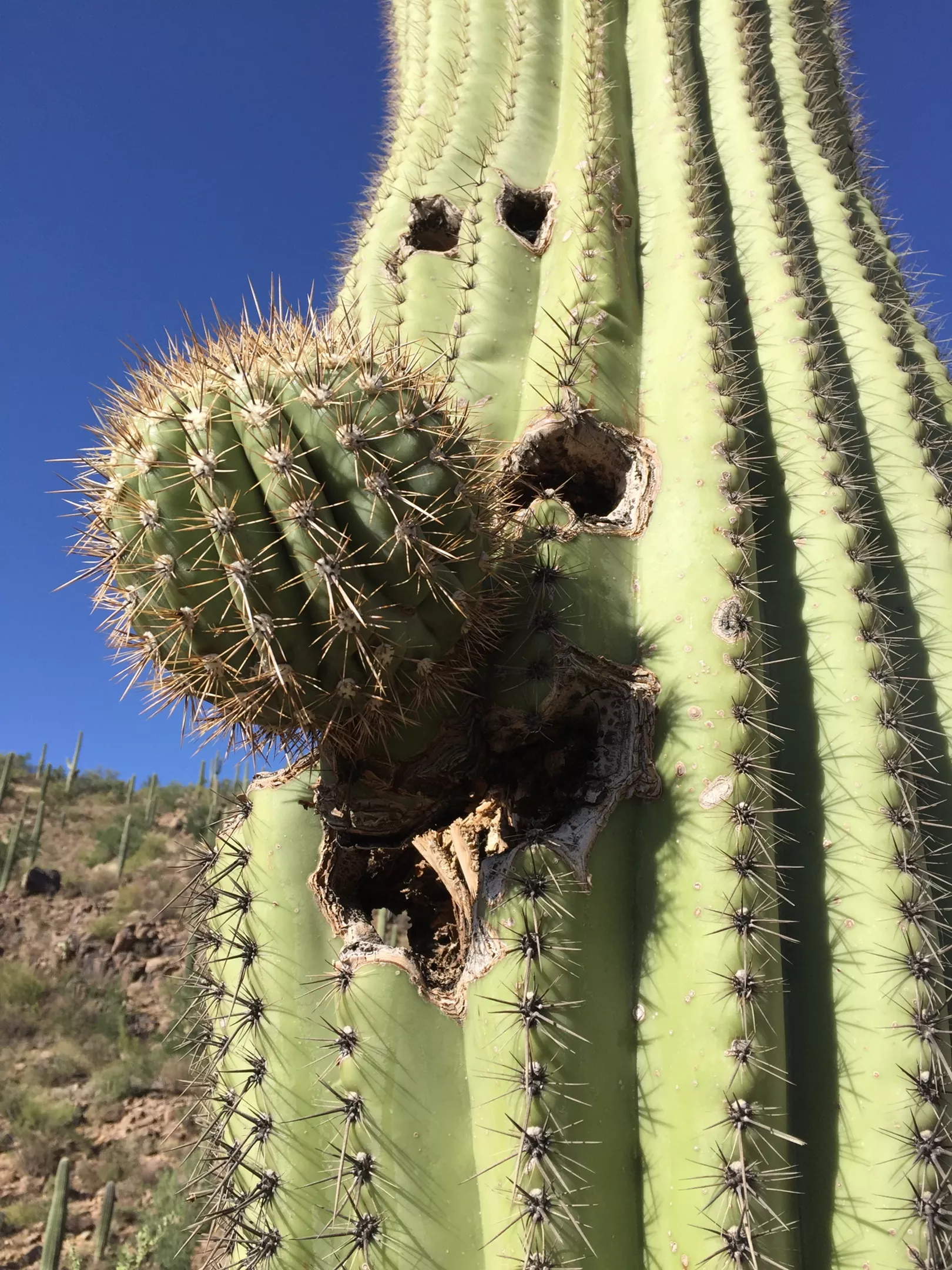
WASHINGTON – Presidents typically pick ambassadors for their technical skills or their political connections, but in Cindy McCain’s case it is probably a little bit of both, experts say.
Last week, President Joe Biden nominated McCain – a lifelong Republican who came out strongly in support of Biden’s candidacy last year – to be the U.S. representative to the United Nations Agencies for Food and Agriculture, a post that carries the rank of ambassador.
But analysts say it’s more than just politics, pointing to McCain’s lifetime in the public spotlight. Her nomination fits in a “gray area,” said Doug Bandow, senior fellow at the Cato Institute.
“Sometimes you get this gray area where they’re not necessarily a diplomatic professional, but there’s much more than just handing out cash,” Bandow said.
It wasn’t cash that McCain delivered to the Biden campaign – but what she delivered in 2020 was probably more valuable than that.
“There was no bigger political force in Arizona behind Joe Biden than Cindy McCain,” said Mike Noble, chief of research for OH Predictive Insights. “Her enthusiastic endorsement almost assuredly tipped the scales to send the state’s 11 electoral votes to Biden.”
That’s because McCain was one of the first Republicans to come out, publicly and vocally, in support of Biden against then-President Donald Trump, with whom the McCains have been engaged in a long-running feud.
It began in Trump’s first run for president, when he belittled the service of Sen. John McCain, R-Ariz., a Vietnam veteran who served years in a North Vietnamese prison camp. Trump said McCain was no hero, that he liked “people who weren’t captured.”
John McCain announced that he would not vote for Trump in 2016, and was a critic of the administration, while Trump continued to periodically snipe at the Arizona senator. When McCain died of brain cancer in 2018, former President Barack Obama delivered a eulogy but Trump, the sitting president, was not invited to the ceremony.
Tuesday, June 29, 2021

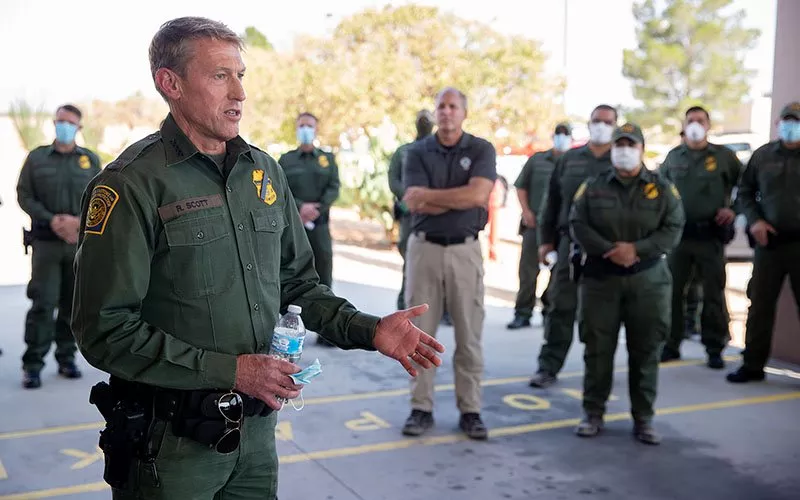
WASHINGTON – The chief of Border Patrol was forced out after just 17 months in the job, a move that critics blasted as a politically motivated decision by the Biden administration.
Acting Customs and Border Protection Commissioner Troy Miller said Thursday that Border Patrol Chief Rodney Scott has been replaced by Deputy Chief Raul Ortiz. Miller’s announcement thanked Scott for his service, but included no details on the reasons behind the departure.
Critics accused the Biden administration of giving Scott a choice of “three Rs” – reassignment, retirement or resignation – because he disagreed with their border policies.
“The chief asked directly why it was happening and was not provided response other than, ‘We want to go in a different direction,'” said Mark Morgan, who served as acting CBP commissioner during the Trump administration and appointed Scott to the chief’s job.
An angry Morgan called the decision “outrageous” and “devoid of all common sense,” saying that the Biden administration is “ending the 29-year career of a man not for just cause, but rather in the name of politics.”
But Doris Meissner of the Migration Policy Institute said Scott’s decision to “align himself, as the head of border patrol, with the president (Trump) personally” was “uncharacteristic” for someone in a career position, not a political appointment.
“From what I know about Chief Scott, he was more political and partisan in the places that he chose to appear during the Trump years than has typically been the case for Border Patrol chiefs,” said Meissner, director of the institute’s U.S. Immigration Policy Program.
“I’m simply guessing that that has been part of the reason that he’s been offered the option to resign or be reassigned,” she said.
The move comes at a challenging time for the Biden administration on its handling of immigration issues. Republicans have repeatedly attacked President Joe Biden for what they call a crisis at the border, where the number of migrants apprehended has surged to the highest levels in years.