Wednesday, December 16, 2020
WASHINGTON – Arizonans were heavily invested in this fall’s elections in more ways than one, donating a total of at least $110 million to support candidates and high-profile ballot initiatives.
That was a sharp increase from the $60 million that state voters donated just four years ago. And the increases this year were seen across the board, with Arizonans opening their wallets for presidential as well as federal and state campaigns.
“People on both sides obviously felt extremely passionate about the presidential and Senate elections,” said Jason Rose, a Republican political consultant in Arizona. “They saw an opportunity to effect change this way.”
The surge in giving was driven by unusually high interest in the presidential and Senate races and Arizona’s newfound status as a battleground state. While that drew large amounts of money from out of state, it apparently inspired state residents to contribute more, too.
Democrats appeared to be especially motivated, donating to what turned out to be successful campaigns for president and for Senate.
President-elect Joe Biden’s victory over Trump was the first time the state had voted for a Democratic presidential nominee since 1996. And Sen. Mark Kelly, a Democrat, unseated Republican Sen. Martha McSally to give the state two Democratic senators for the first time since the 1950s. It also brought Democrats one seat closer to control of the Senate.
“The Arizona Senate race was one of the few opportunities where Democrats were seen as potentially able to flip a Senate seat,” said Kim Fridkin, foundation professor of political science at Arizona State University.
Tuesday, December 15, 2020
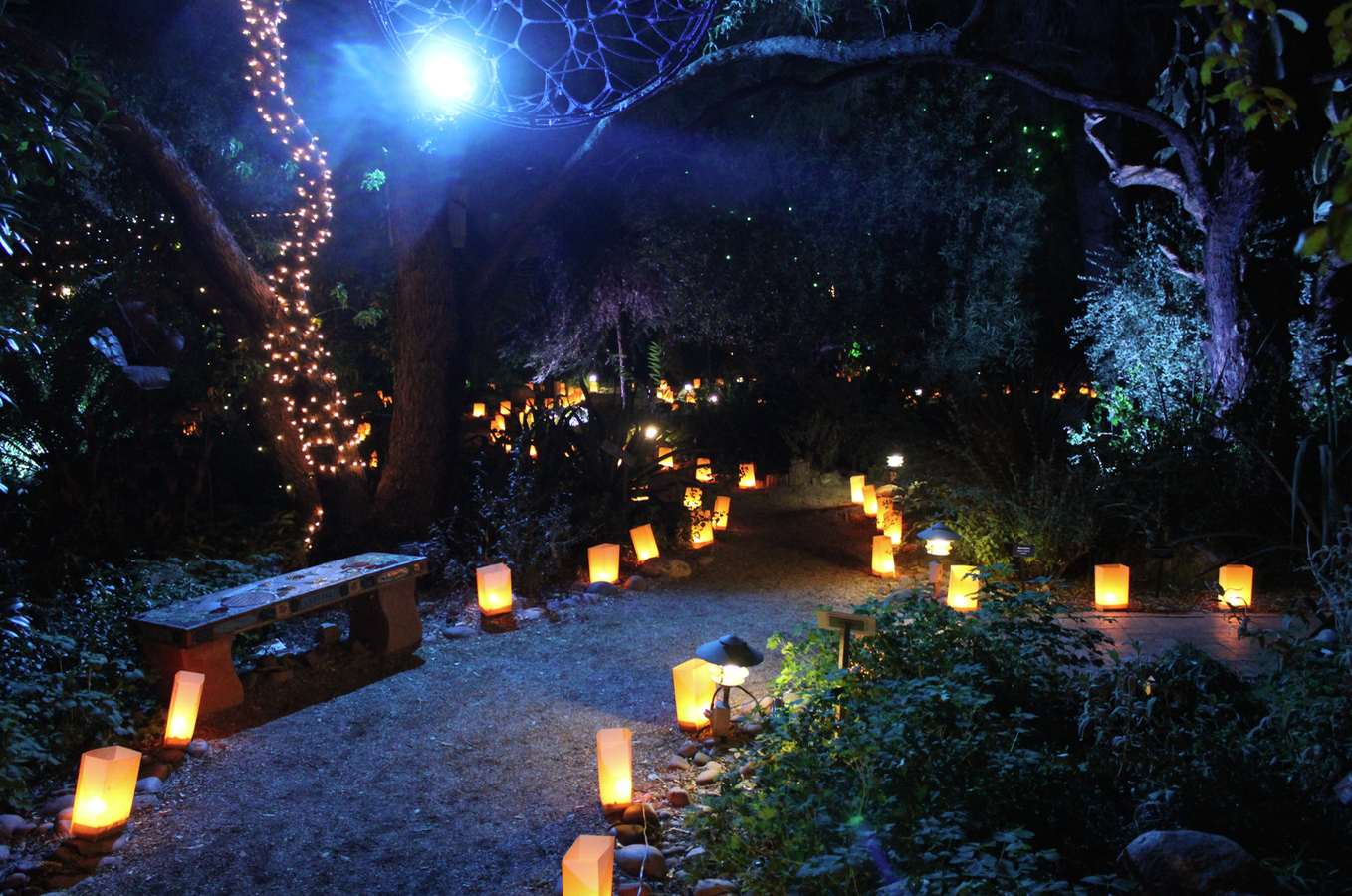
COVID-19 threatened to entirely remove this beloved event from the calendar. But TBG reworked their plans and are instead hosting "Wanderland," a similar event with extra precautions. Much like Luminaria Nights, Wanderland sees the gardens filled with holiday lights and decor, but there are no performers and capacity is greatly reduced.
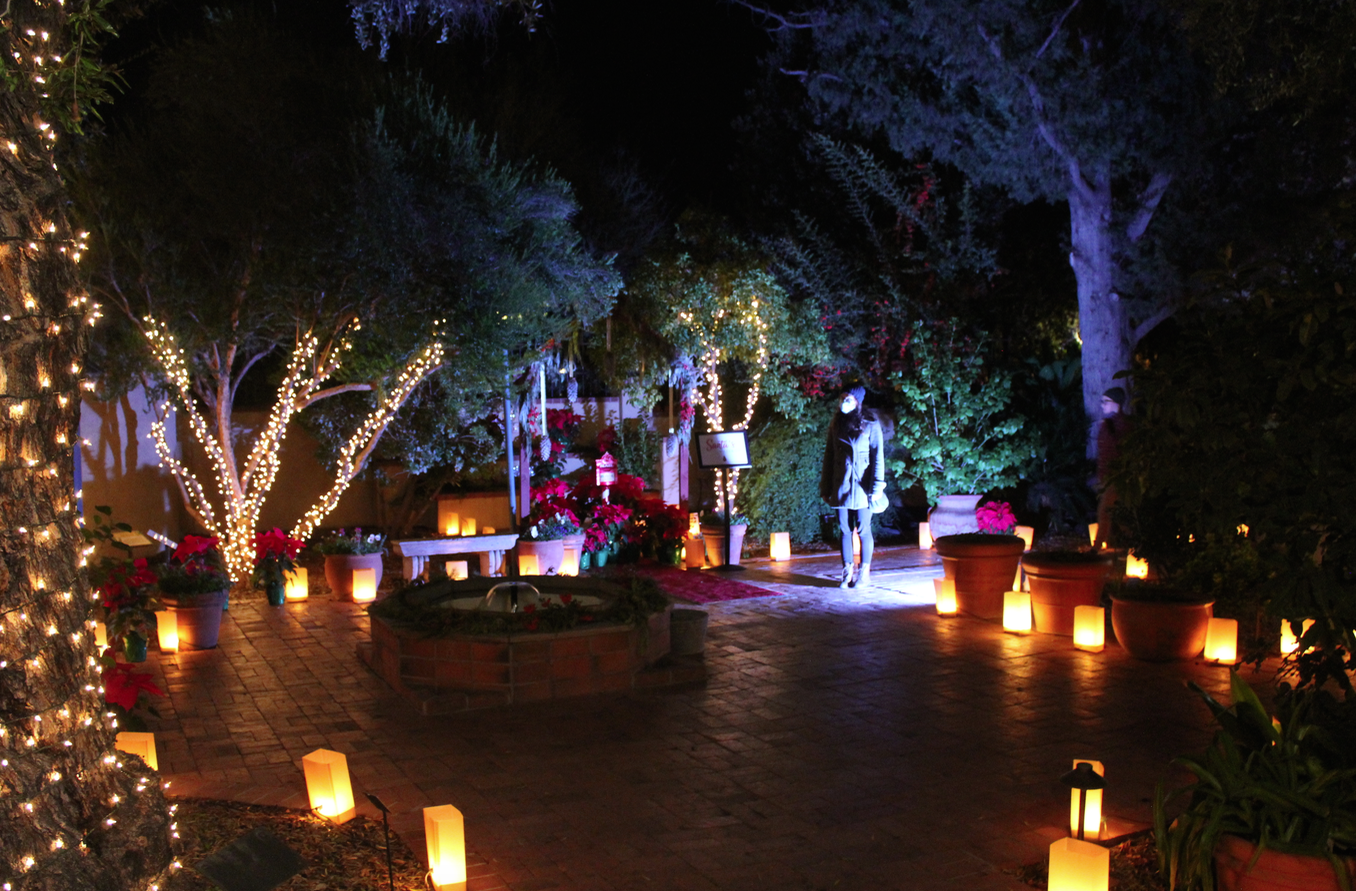
As the name suggests, guests are encouraged to move through the park rather than gather around performers as in years past, for the sake of social distancing.
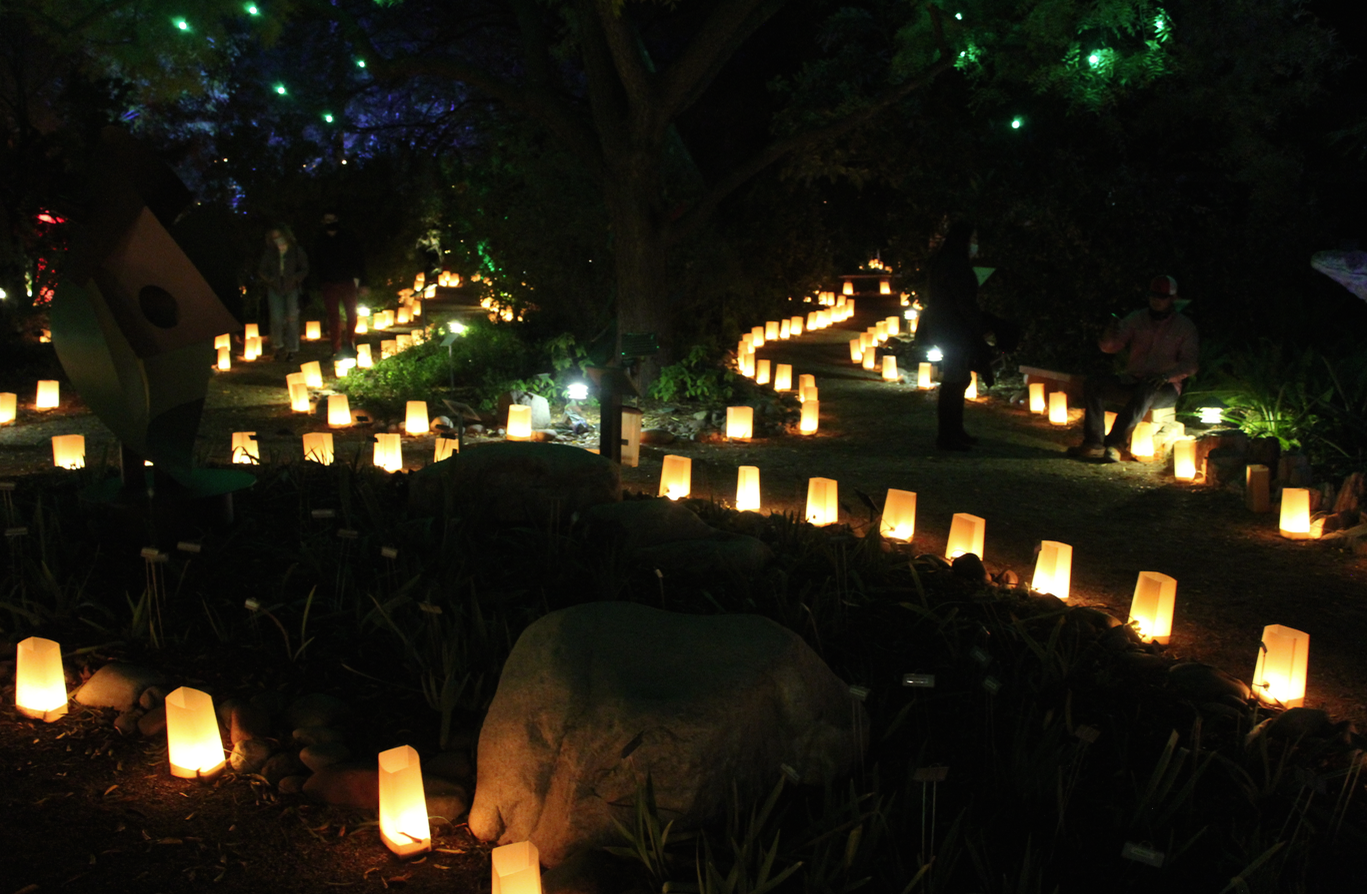
Instead of the usual jazz bands and carolers, the gardens are still featuring some of the Dia de los Muertos sculptures from their "La Calavera Catrina" exhibit among the Christmas lights.
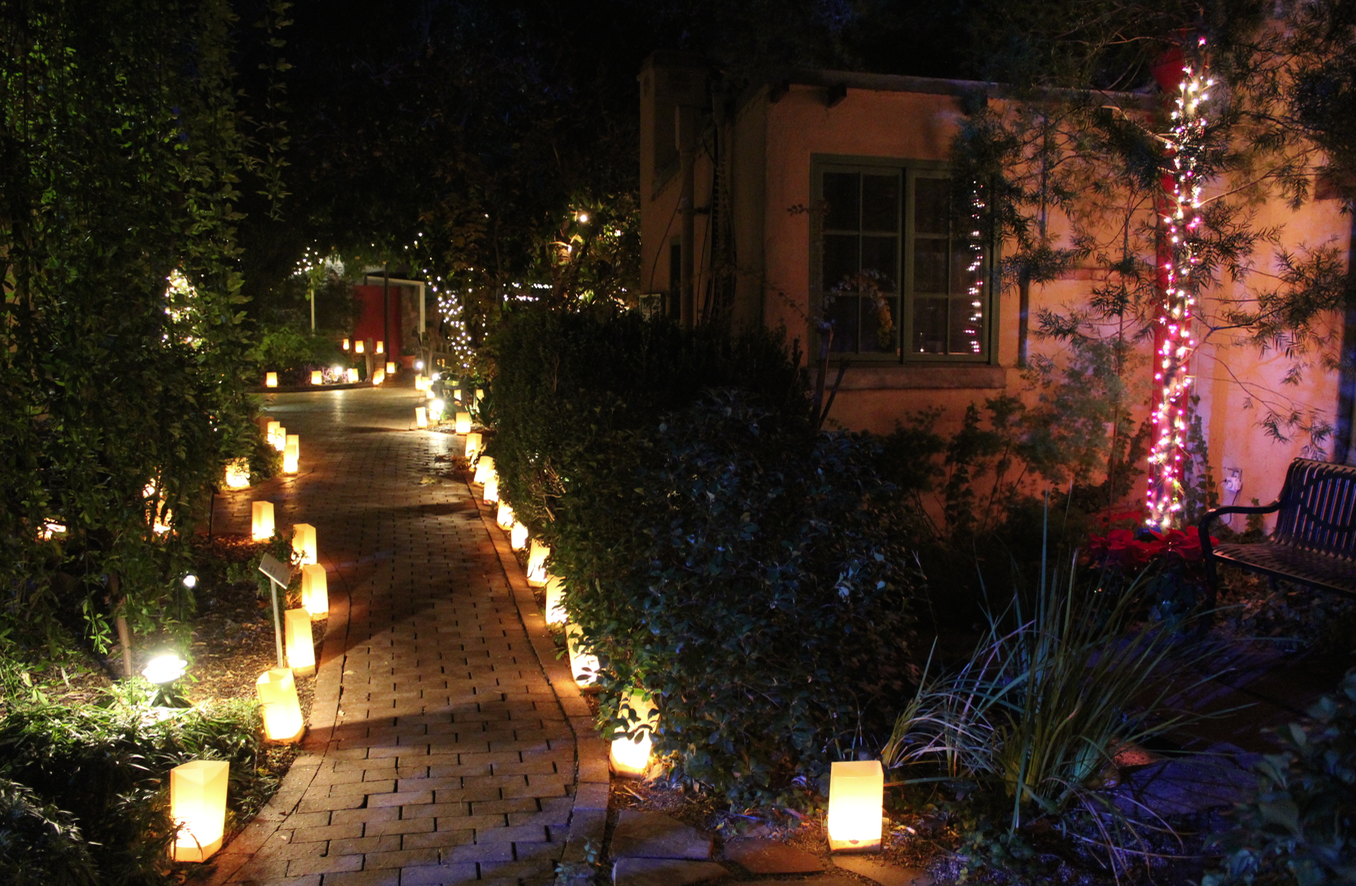
The Tucson Botanical Gardens' Wanderland takes place Thursday, Friday, Saturday and Sunday from 5:30 p.m. to 8:30 p.m. through Sunday, Jan. 3. Tickets are $15. Reservations Required. For more information, visit tucsonbotanical.org/event/wanderland
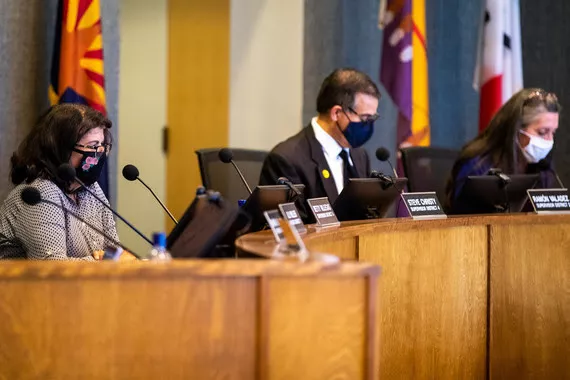
The Pima County Board of Supervisors voted 3-2 to instate a mandatory 10 p.m. to 5 a.m. curfew throughout the county in an attempt to combat Southern Arizona's rising number of coronavirus cases.
Supervisor Steve Christy and outgoing Supervisor Ally Miller, who attended her last board meeting today, voted against the proposal.
Penalties for a nonessential business found violating curfew range from having their business permit suspended or revoked.
The mandatory curfew will stay in place until coronavirus infection rates drop below 100 per 100,000 people, according to county officials.
The transmission rate in Pima County was 357 people per 100,000 people in the two-week period ending Nov. 29, but Pima County Health Department Director Dr. Theresa Cullen expects that number to be significantly higher for the period ending Dec. 13.
The mandatory curfew comes as in December alone, COVID-19 cases in the county have reached 13,589—2,554 more cases than reported in all of November. Last week saw 70 coronavirus deaths, according to a memorandum from County Administrator Chuck Huckelberry.
According to the memo, county personnel observed facilities for compliance to safety mitigations, including the previously voluntary curfew, on Dec. 11 and 12.
Of the nearly 400 locations observed, 15% were "seriously noncompliant," the memo says.
While businesses will now face losing their operating permits if they don't comply with the curfew, it "carries no penalty associated with the individual, as it would be difficult to enforce a curfew against individuals without the cooperation of law enforcement," Huckelberry writes in the memo.
Exceptions include:
Emergency response personnel
Traveling to and from work
Attending religious services
Caring for a family member
Seeking medical care
Fleeing dangerous circumstances
Traveling to perform or receive essential functions
This article has been updated with contributions from Nicole Ludden.
Ajo, Arizona, is an unincorporated community 110 miles south of Phoenix. It borders the Tohono O’odham Indian Nation, serving as a hub for supplies for some of the 7,500 people who live on the reservation. The Ajo Center for Sustainable Agriculture is a nonprofit working in agricultural education, culturally appropriate food and economic development. When the coronavirus pandemic hit Ajo, the shelves of its one grocery story were cleaned out. The organization’s all Native American board stepped up to feed its community.
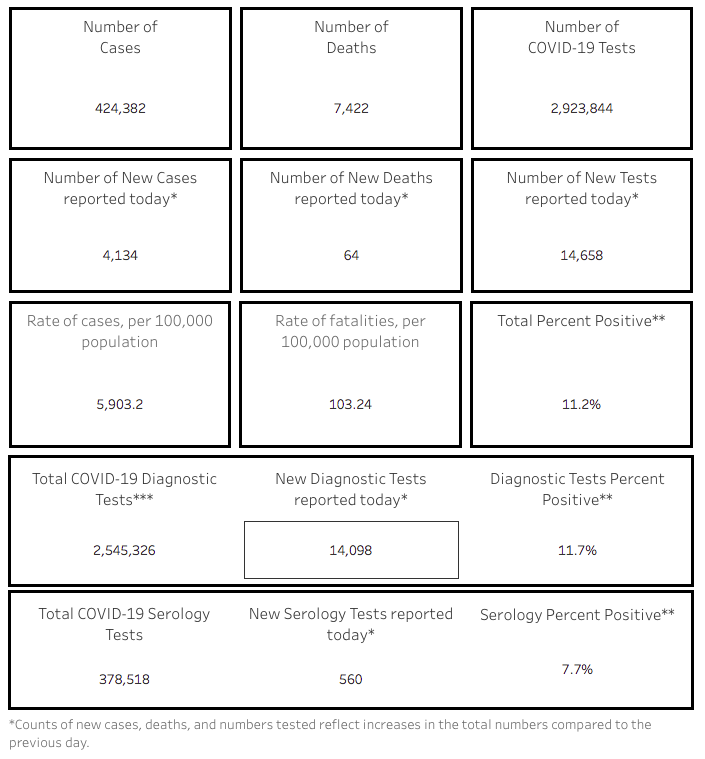
With more than 4,100 new cases reported today, the number of Arizona’s confirmed novel coronavirus cases topped 424,000 as of Tuesday, Dec. 15, according to the Arizona Department of Health Services.

Pima County, which reported 798 new cases today, has seen 54,246 of the state’s 424,382 confirmed cases.
With 64 new deaths reported today, a total of 7,422 Arizonans had died after contracting COVID-19, including 817 deaths in Pima County, according to the Dec. 15 report.
The number of hospitalized COVID cases statewide continues to soar upward as the virus has begun to spread more rapidly, putting stress on Arizona’s hospitals and surpassing July peaks. ADHS reported that as of Dec. 14, 3,702 COVID patients were hospitalized in the state, setting a new record. The previous peak of 3,517 hospitalized COVID patients was set on July 13; that number hit a subsequent low of 468 on Sept. 27.
A total of 1,579 people visited emergency rooms on Dec. 14 with COVID symptoms. That number, which hit a new record of 2,166 last week, had previously peaked at 2,008 on July 7; it hit a subsequent low of 653 on Sept. 28.
A total of 863 COVID-19 patients were in intensive care unit beds on Dec. 14. The number of COVID patients in ICUs peaked at 970 on July 13 and hit a subsequent low of 114 on Sept. 22.
Vaccine is on its way
Pima County is expected to receive 11,000 doses of Pfizer's COVID-19 Pfizer on Thursday that will go to healthcare workers and long-term care facility residents and staff, the Pima County Health Department announced at a news conference yesterday.
The vaccine prioritization plan includes three phases with the most high-risk individuals receiving the vaccine first, said Dr. Theresa Cullen, director of the Pima County Health Department.
Phase one of vaccine implementation is divided into three groups: 1A, 1B and 1C. Group 1A will begin receiving vaccines this week.
Group 1B, which includes teachers, law enforcement and other essential service workers, are expected to receive vaccines by March, Cullen said.
Group 1C includes adults older than 65 and those with high-risk medical conditions, which contains nearly 70% of the population and is expected to receive vaccinations by “late spring, early summer,” according to Cullen.
The Pfizer vaccine is given in two doses 21 days apart. The health department said if the second dose is not received on its scheduled time, the first dose will still be valid and the recipient is still fully protected.
Hospitals are reaching capacity; health officials urge people to avoid in-person socializing over holidays
The Pima County Health Department discussed the critical nature of COVID-19 throughout the county at a press conference on Friday, Dec. 10, after it issued a joint letter signed by 26 representatives from the health department, hospitals and fire districts warning residents of disastrous consequences if the spread of the virus continues at its current rate.
Hospitals across the county have less than 2% of their ICU beds available. At the start of the weekend, they had only seven open ICU beds, Pima County Health Director Dr. Theresa Cullen shared at the press conference.
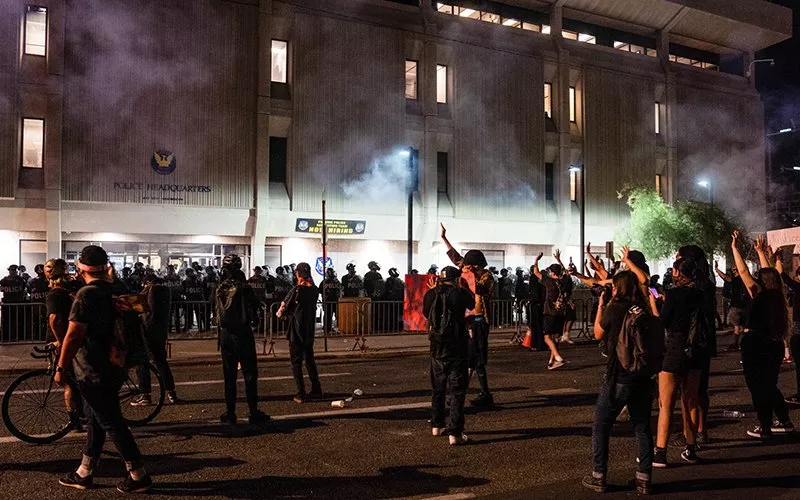
PHOENIX – Three nights after George Floyd suffocated when a white police officer in Minneapolis knelt on his neck for nearly nine minutes, Black Lives Matter supporters rallied in downtown Phoenix. From 7 p.m. to 2 a.m., hundreds of people were on the streets chanting, “What’s his name? George Floyd!” and “Hands up, don’t shoot!” Many held signs that read “Black Lives Matter” and “Silence is violence.”
Tensions rose that night, May 28, between protesters and the Phoenix Police Department, whose use of force made it the deadliest in the country in 2018, according to an analysis by the National Police Foundation.
Ashley Cuber, 25, a law student at Arizona State University, was there in a show of solidarity. About 11:30 p.m., after police declared the protest an illegal gathering, she said, she saw a police officer’s rubber bullet hit the skull of a teenage girl.
Cuber, a short woman who normally wears a black T-shirt with the words Desert Action Medical Network and a baseball cap with a red cross duct-taped in the front, immediately put to use the EMT license she earned while living in Alaska, where she trained in wilderness first aid because help might not arrive in time if she were injured. As she and the wounded teenager ran from police wearing riot gear, Cuber tossed the teenager an ice pack and told her to go to the emergency room immediately. She suspected the girl’s skull was fractured.
“That’s all I could do. That’s probably the worst injury I’ve seen all summer,” said Cuber, adding that she didn’t see any street medics in the crowd of hundreds to treat protesters.
Monday, December 14, 2020