

Monday, October 5, 2020

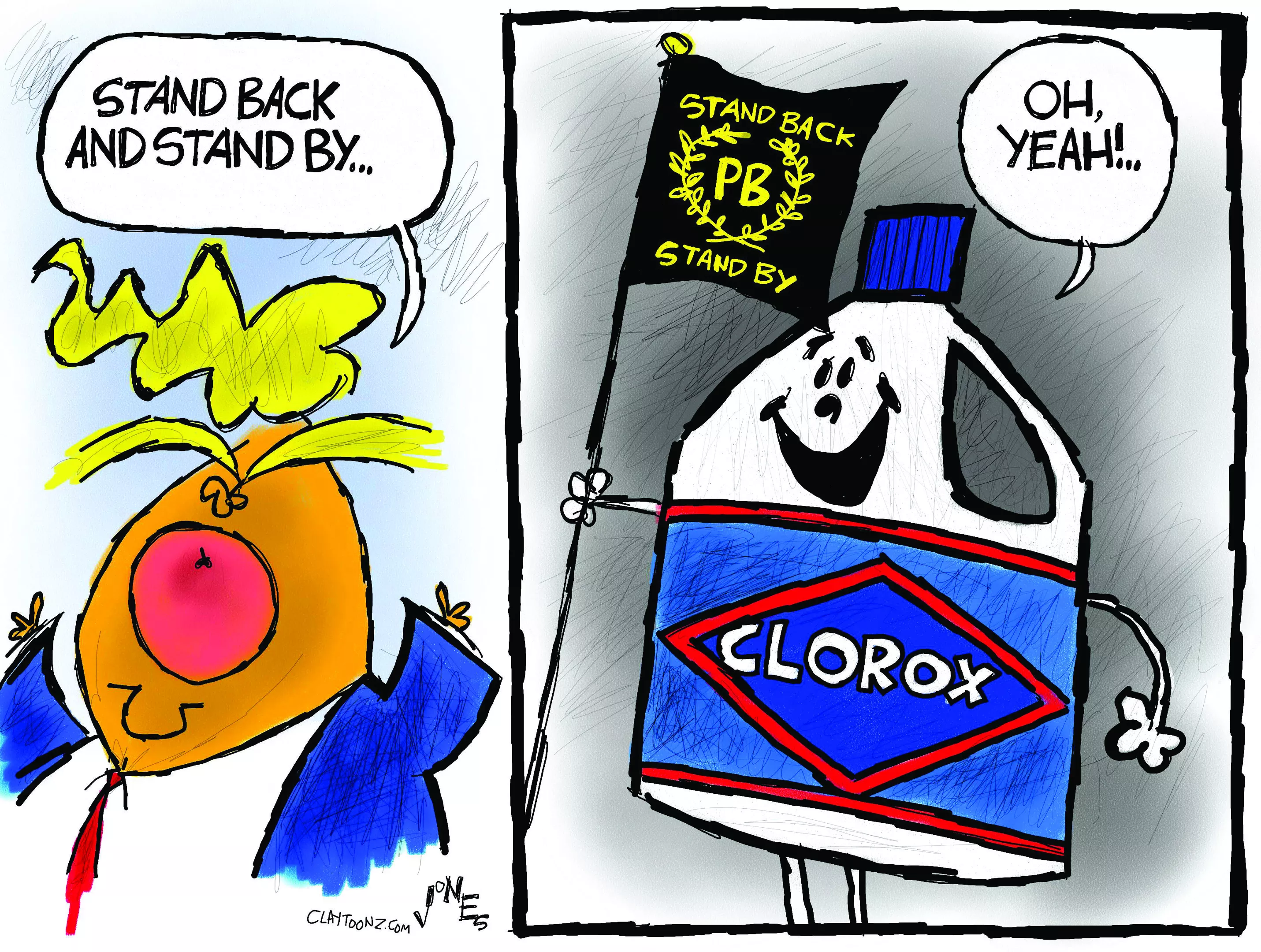
WASHINGTON – News that President Donald Trump tested positive for COVID-19 led to well-wishes from Arizona lawmakers Friday, a scrambling of the president’s planned visits to the state next week – and some grumbling about the lack of safeguards at previous Trump rallies.
The White House announced Friday morning that Trump and first lady Melania Trump would be quarantining at the White House after both tested positive for the virus, which a staffer had contracted earlier in the week.
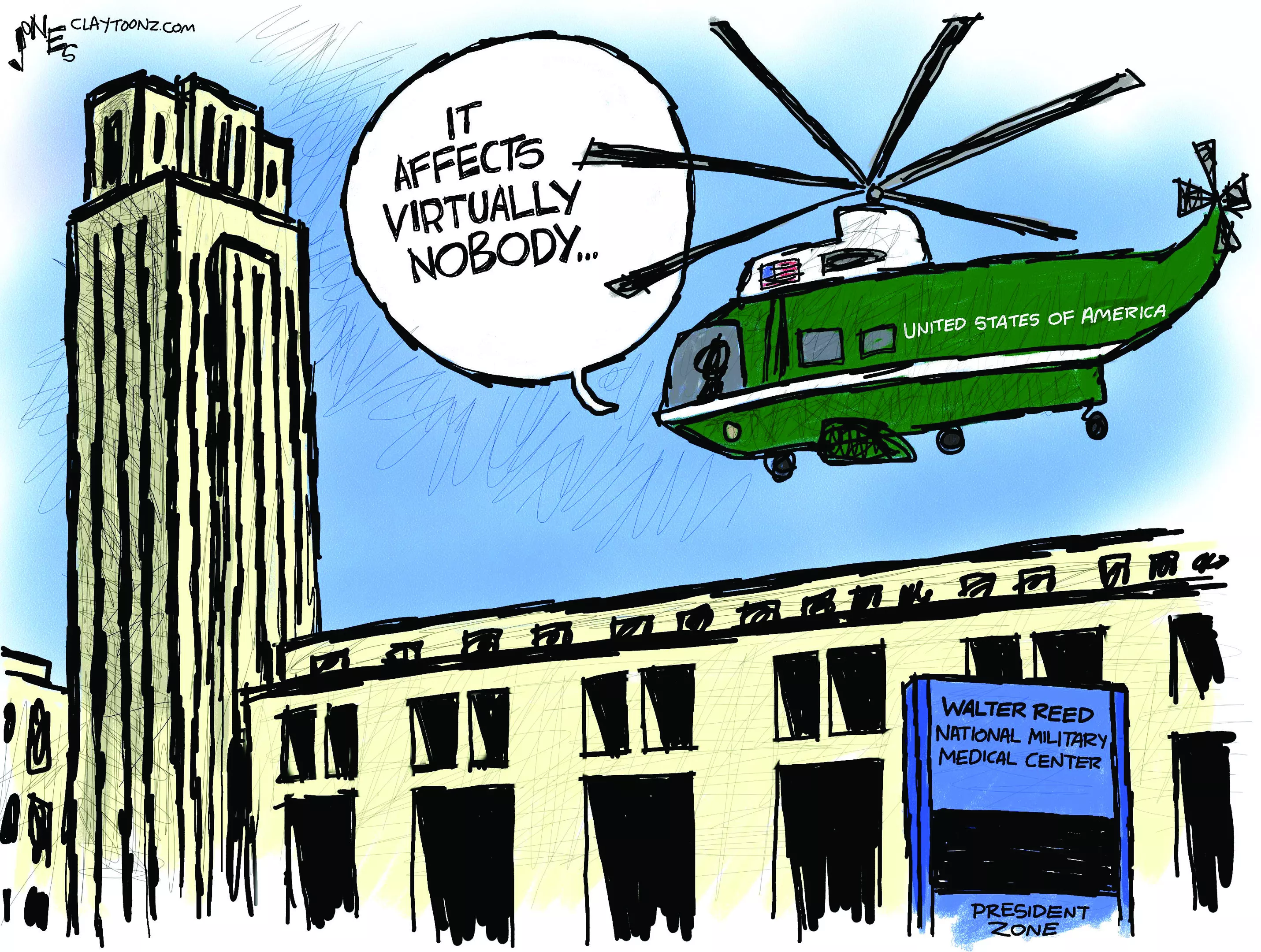
By Friday afternoon, doctors had transferred Trump to Walter Reed Medical Center out of “an abundance of caution.” He was expected to remain there for several days and was reported to be “fatigued but in good spirits.”
Saturday, October 3, 2020

Felice and Jack Cohen-Joppa have dedicated most of their adult lives to the pursuit of a peaceful, nuclear-free world. For nearly 40 years, they have published the Nuclear Resister, a newsletter chronicling the arrests of anti-nuclear war and anti-nuclear power protestors. Through this publication, Felice and Jack educate the public about the arrests of activists and inspire support for imprisoned protestors.
In fighting for the anti-nuclear cause, more than 100,000 protestors have been arrested in the past 40 years. They have been charged with everything from trespassing to destruction of government property, to depredation of Navy property. Still, the cause and messages of imprisoned protestors live on through the chronicles published on the Nuclear Resister.
For the couple’s dedication to informing the public about these arrests, the Germany-based Nuclear Free Future Foundation recently awarded them with their 2020 prize in the education category.
“For Jack and I to receive this award because of our work with the Nuclear Resister, to me just says a lot about the power of all the people, of these 100,000 arrests, of these thousand people who have been to jail,” Felice said. “It really is something that we share with all the people we’ve written about and supported over the years.”
According to Jack and Felice, some people protest on behalf of their religious beliefs or their own principles, others because of personal experiences.
The anti-nuclear message touches Jack personally. He grew up in Denver near the Rocky Flats nuclear weapons plant. His sister and nieces, who still live there, have all suffered from multiple chronic health conditions, and Jack attributes their illnesses to the proximity of the weapons plant.
“I feel very closely connected to the personal impact of nuclear weapons but on just a human perspective, what gives us the right to threaten to kill hundreds of thousands of innocent people in a single blow?” he said. “What gives anyone that right?”
Felice found her call to action during college after learning about the suffering of people who built nuclear weapons and about the bombings of Hiroshima and Nagasaki.
“Hearing testimony from the people who had survived the U.S. atomic bombings in Hiroshima and Nagasaki in Japan 75 years ago, it’s heartbreaking and I knew that I had to do everything I could to make sure that never happened to anyone again,” Felice said.
According to the Cohen-Joppas, the coronavirus pandemic has minimized the number and frequency of protests. They said anti-nuclear activists are hesitant to risk being arrested for fear of outbreaks in prisons across the country.
“The focus of the Nuclear Resister is prisoner support and right now there has been someone in a Georgia jail since April of 2018,” Felice said. “He’s now waiting for sentencing. We’ve got the COVID-19 situation so people are really hesitant to do anything that might risk going to jail because there are outbreaks of coronavirus in jails and prisons.”
Despite abating protests, Felice said technology has helped circulate the stories of arrested and imprisoned protestors.
“The first issue of the newsletter was written on a manual typewriter and now it’s all done on the computer,” she said. “Now we have a website and we have Facebook and Twitter pages, and we send out an e-bulletin. So, in terms of being able to provide timely support for the prisoners, now we can update people easily and regularly if calls are needed or letters to the judge are needed.”
Felice and Jack passionately support the anti-nuclear cause through the publication of their newsletter. The messages and call to action documented in the Nuclear Resister have inspired and rallied protestors for decades, and the 2020 education award is a testament to their impact on the activist community.
Friday, October 2, 2020
The Open Air Cinema series also continues. It's a fun, safe way for you to visit the Loft and catch a movie in the great outdoors.
For more info on both series, visit their website.
Here are this week's new streaming films:
Herb Alpert Is...
John Scheinfeld profiles the legendary musician, artist and philanthropist who has sold more than 72 million albums, outsold The Beatles in 1966, and co-founded the most successful independent record company in history.
Myth of Colorblind France
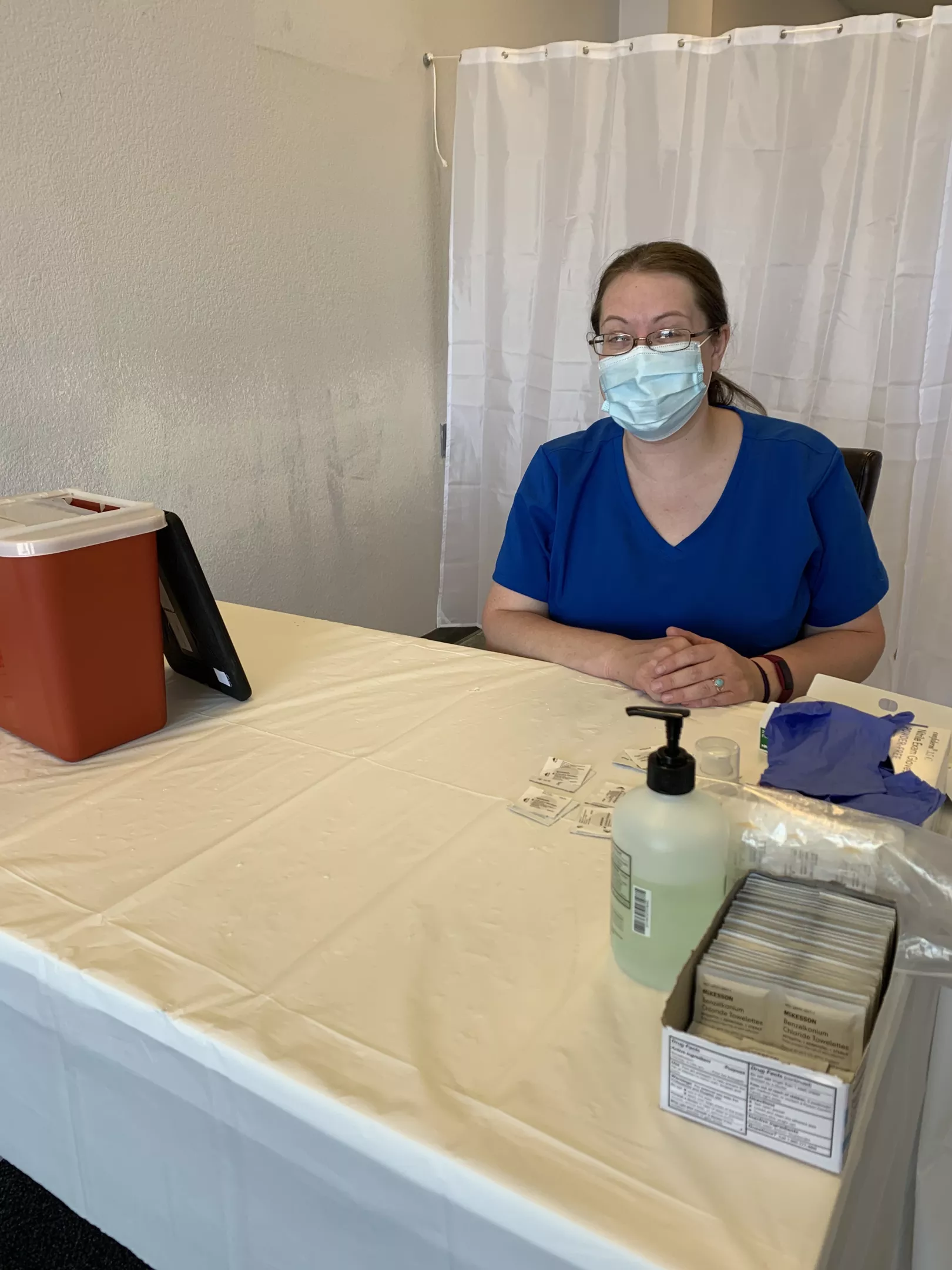
The Pima County Health Department opened a free flu shot clinic late last September in an effort to get Tucsonans vaccinated ahead of flu season.
The problem: The public isn’t coming in.
Registered nurse Heather Webber said she typically sees fewer than 10 patents a day during an eight-hour shift at Passport Health Clinic, located at 6383 E. 22nd St. Suite 101. The most she has helped in one day is 13 people, she said.
“There hasn’t been a line to get a shot since I started,” Webber said. “We have lots of time available for people to come in. They need to start coming in.”
The registered nurse said getting a flu shot is especially important this year so as to not overwhelm hospitals around Pima County. While the shot isn’t 100 percent effective, it does reduce the risk of flu illness by 60 percent, according to the Centers for Disease Control website.
“Getting a flu shot is extremely important not only for the flu but if you get sick you’ll know it’s most likely something else because you got a flu shot,” Webber said.
The 22nd Street clinic is open from 9 a.m. to 5 p.m. Monday through Friday.
Pima County Health Department encourages all people over the age of 6 months old to get a flu shot this season, especially the elderly, low-income and uninsured.In addition to the free clinic on 22nd Street, Pima County Health is also offering free flu shots to the public at their eastside office at 6920 E Broadway, Suite E; their northside office at 3550 N. First Ave and at Theresa Lee Clinic at 1493 W. Commerce Court. Offices are open from 8 a.m. to 5 p.m. (closed for lunch between noon to 1 p.m.).
Reservations are recommended by health department officials, but you’ll probably be fine just walking in. Click here to reserve a space.
For more information, check out the Pima County Health website.
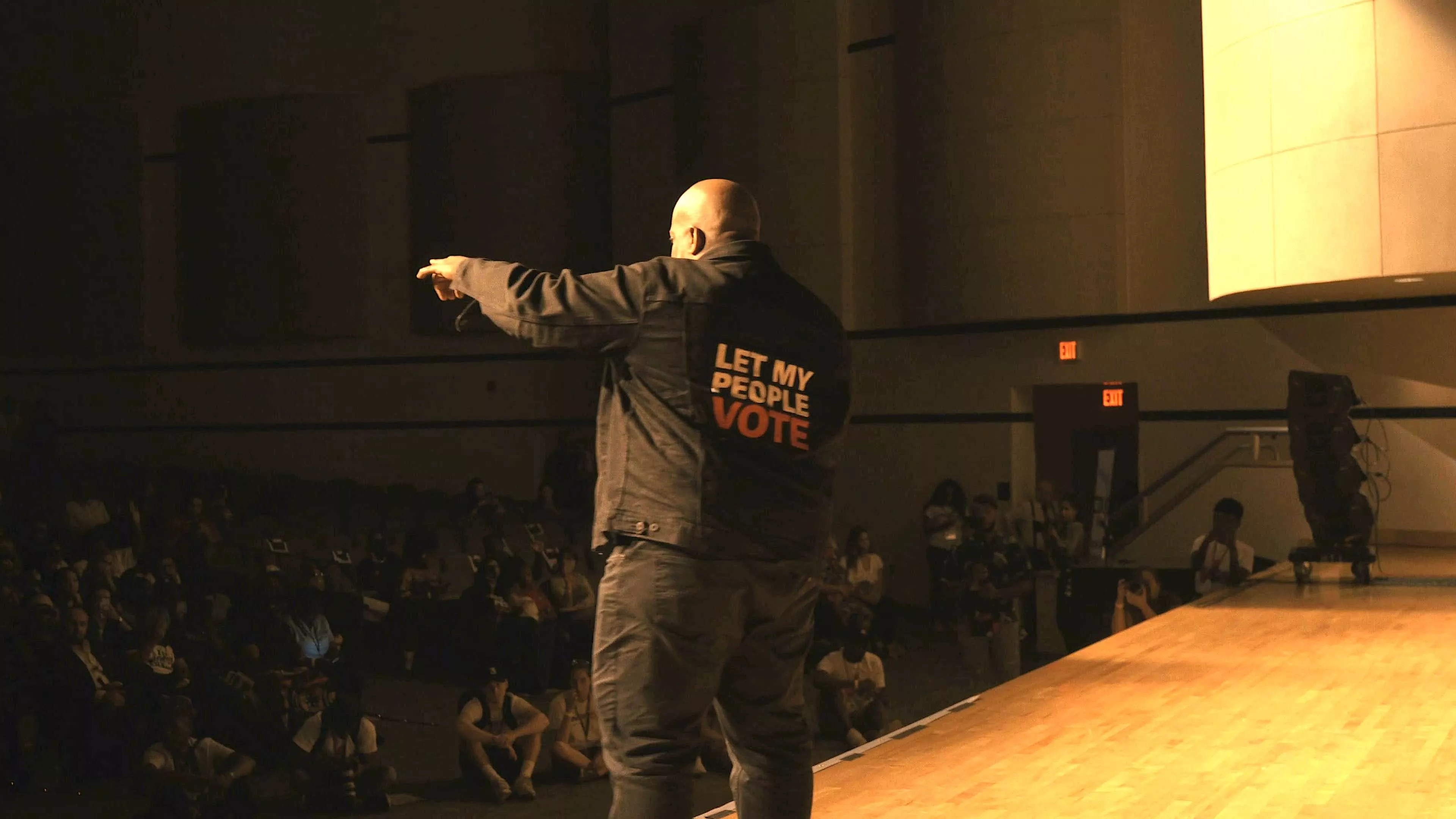
The struggle to expand the electorate to all Americans and restrictions of who is allowed to cast their ballot are two competing stories at the center of the latest and perhaps last documentary by Tucsonan Steve Waxman of ShadowWave Media, Vote Here: A film for the people by the people.
Vote Here is a nonpartisan documentary that tells the story of the electoral process and current issues facing voters. Waxman said the three-year filmmaking journey was inspired by the book “The Fight to Vote” by Michael Waldmen. However, the film took a different turn after the Stoneman Douglas High School shooting in 2018 when Waxman was living in Florida.
Seeing 14-year-old Parkland students telling their senior classmates they could pre-register to vote inspired Waxman; it cut to one of the film’s major focuses: That youth political involvement is a rediscovered American movement and that positive peer pressure works.
“This was just a fascinating thing that I had not seen in my lifetime which was a dedication of young people to make voting part of their cultural DNA,” he said.
Vote Here looks beyond our own lifetimes to the early days of the nation and reveals a different demographic of citizens heading to the polls and offers some tantalizing insights into how current political movements may reawaken the coveted youth vote.
America’s youth were the driving force of the mid 19th century political process, according to historian Jon Grinspan in Vote Here.
“What makes this era so exciting,” Grinspan said. “Voter turnout for eligible voters is often in the high ‘70s and gets up over 80 percent in some states that are particularly engaged in politics have turnout over 90 percent in five or six presidential elections in a row, but that high turnout was driven by these 21-year-olds who are so excited to go vote.”
Grinspan said several different motivations drove these youth to the polls: the desire to find a romantic partner, the political process being the main shared cultural experience and voting seen as a rite of passage into adulthood.
“What I had found out and what I think is true in a transcending way is that the most driving force for people to register to vote I believe now is peer pressure,” Waxman said.
In the film, executive director of the Environmental Voter Project Nathaniel Stinnett said that peer and social pressure to vote are the biggest tools to get registered voters to actually vote.
However, peer pressure is not the only challenge in getting people to the polls. Vote Here also tells of minority groups’ struggles to gain their franchisement with a focus on Pima County and the efforts of local group Mi Familia Vota to register Latino voters.
“They are very hesitant to want to turn out and get involved in the system at all either being concerned that they themselves will be scrutinized or as somebody who they might know would then be scrutinized and deported,” Waxman said.
These fears can be exacerbated by COVID-19 because of lack of healthcare or access to healthcare, according to Mi Famila Vota coordinator Ulises Ventura. In Pima County, Mi Famila Vota registered 7,000 voters during the 2016 election cycle according to the film, this year they have registered 4,530, with 460 digitally registered according to coordinator Sandy Ochoa.
Arizona’s battleground status is anticipated to play a critical role in the presidential election. Additionally, with the recent passing of Supreme Court Justice Ruth Bader Ginsburg, the senate race between Martha McSally and Mark Kelly takes on a new dimension. Because the senate race is a special election to fill the rest of John McCain’s term, the winner could be sworn in once the votes become certified according to the Associated Press.
Just as the filmmakers believe voting should be accessible as possible, they’re also offering Vote Here for free on YouTube . Register to vote online before the Oct. 5 deadline at servicearizona.com/VoterRegistration
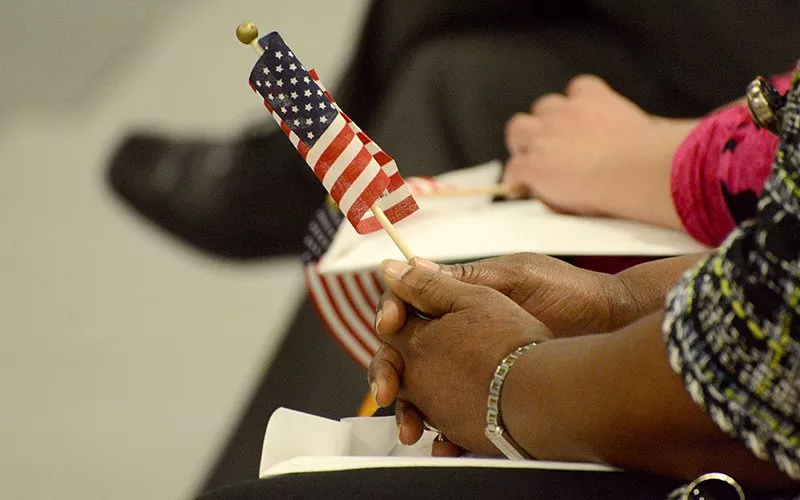
WASHINGTON – A federal judge late Tuesday blocked a steep increase in application fees set to take effect Friday for people seeking U.S. citizenship, an increase that advocates feared would have locked many immigrants out.
U.S. District Judge Jeffrey White said that U.S. Citizenship and Immigration Services did not follow proper procedures when it ordered the higher fees. He also said the two men running USCIS and its parent agency, the Department of Homeland Security, did not have the authority to approve the increases because both men serve in acting roles.
Arizona advocates welcomed the court’s action, saying the increases would have almost doubled the cost of naturalization, from $650 to as much as $1,170, putting the cost of citizenship out of reach for many.
“These community members are landscapers and they clean houses, so they’re not in the high-income bracket,” said Petra Falcon, executive director of Promise Arizona. “Applying for citizenship is a luxury.”

Moments of carefree, silly joy are more valuable than toilet paper, these days. The Best of Gaslight Fall Revue is chock full of them. While the folks at the Gaslight haven’t been able to hold a show in their indoor theater venue on Broadway Boulevard since March, their drive-up porch concerts throughout the summer were a delight. Order a pizza, a root beer float, or even some alcohol and sing and laugh along to a series of numbers that are almost impossible not to sing and laugh along to. (Bonus: You can also leave your windows rolled up and listen to the show through your radio, if you tune it to the right dial).
As the weather cools down (however slightly) the Gaslight has launched a special fall edition of the show, featuring a series of community favorites from the past 42 year, with an emphasis on spooky numbers and silly costumes. We’re talking the Time Warp, The Monster Mash and I Put a Spell on You, of course, but also fun renditions of tunes like Girls Just Wanna Have Fun, Secret Agent Man and Silly Love Songs.
It’s really something special to watch the Gaslight crew perform, because you can tell how much they all love what they do. David Fanning, who has been with the theater for 27 years, now lives in New York. When the pandemic shut down venues across the country, he watched the Gaslight folks begin their porch concert series via Facebook, and missed performing there so much that he came back for a visit. Mike Yarema, who’s been with the theater for over 20 years, treated us to a series of his classic, cringe-inducing jokes (“What do you say about a mummy joke that’s really bad? It sphinx!”) and a variety of numbers—including an enticing performance as Doc Croc from the Gaslight’s show Spider-Guy. Heather Stricker, who started with the theater back in 2000, wears about a million different hats/wigs/outfits in the show, and looks and sounds great in all of them.
Take it from the group of kids in the parking space behind us dancing with ecstatic abandon to “Puttin’ on the Ritz”: If you’re looking for a night of fun, an opportunity to support local art and a delicious slice of pizza, you can get them all in one place at this show.
The Best of Gaslight Fall Revue takes place at 7 p.m. on Tuesday, Saturday and Sunday nights through Sunday, Oct. 25. The theater is located at 7010 E Broadway Blvd. Pizza and popcorn packages are available at the time of reservation, and additional menu items are available at the show. You’re welcome to bring chairs and set up outside your car, but be sure to maintain social distancing and wear a mask when interacting with your servers. Bathrooms are available, and will be sanitized after each use. $40 per car.
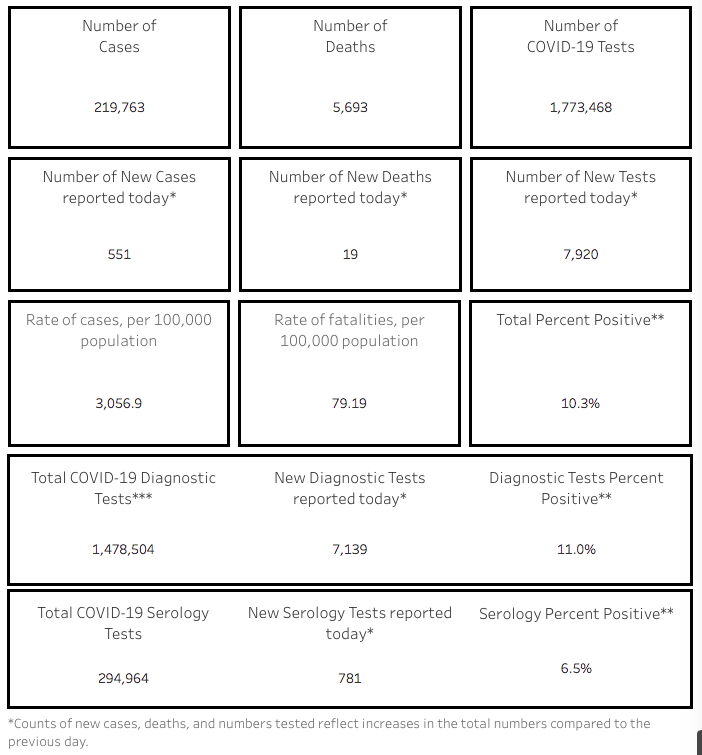
Pima County had seen 25,784 of the state’s 219,793 confirmed cases.

With 19 new deaths today, a total of 5,693 Arizonans had died after contracting COVID-19, including 627 deaths in Pima County, according to the Oct. 2 report.
The number of hospitalized COVID cases continues to decline from July peaks. ADHS reported that as of Oct. 1, 586 COVID patients were hospitalized in the state. The number of hospitalized COVID patients peaked at 3,517 on July 13.
A total of 760 people visited emergency rooms on Oct. 1 with COVID symptoms. That number peaked at 2,008 on July 7.
A total of 125 COVID-19 patients were in intensive care unit beds on Oct. 1. The number of COVID patients in ICUs peaked at 970 on July 13.
On a week-by-week basis in Pima County, the number of positive COVID tests peaked the week ending July 4 with 2,453 cases, according to a Sept. 29 report from the Pima County Health Department. While a vocal minority continues to insist that masks do no good, the spread of the virus began to decline within weeks of Pima County’s mask mandate, as more people began wearing them in public, although the level of new cases has creeped back up in recent weeks with the return of UA students. For the week ending Aug. 29, 569 new cases were reported; for the week ending Sept. 5, a total of 859 cases were reported; for the week ending Sept. 12, 1,102 cases were reported; for the week ending Sept. 19, 1,203 cases were reported; and for the week ending Sept. 26, 470 cases were reported. (Recent weeks are subject to revision.)
Deaths in Pima County are down from a peak of 55 in the week ending July 4 to 19 for the week ending Aug. 15, 13 in the week ending Aug. 22, 10 in the week ending Aug. 29, zero in the week ending Sept. 5, two in the week ending Sept. 12 and two in the week ending Sept. 19. (Recent weeks are subject to revision.)
Hospitalization peaked the week ending July 18 with 234 COVID patients admitted to Pima County hospitals. In the week ending Aug. 29, 37 COVID patients were admitted to Pima County hospitals; in the week ending Sept. 5, 25 patients were admitted to Pima County hospitals; in the week ending Sept. 12, 19 patients were admitted; in the week ending Sept. 19, 14 patients were admitted; and in the week ending Sept. 26, five people were admitted. (Numbers are subject to revision.)
Trump tests positive for coronavirus
President Donald Trump announced via Twitter last night that he and First Lady Melania Trump had both tested positive for COVID-19.
“Tonight, @FLOTUS and I tested positive for COVID-19,” Trump said. “We will begin our quarantine and recovery process immediately. We will get through this TOGETHER!”
White House officials said the President and First Lady were suffering mild symptoms.
The diagnosis may require Trump, who has frequently downplayed the risk of catching the virus and who has dismissed the idea of wearing masks to limit COVID’s spread, to self-quarantine with less than five weeks left in the presidential campaign. A planned visit to Tucson and Flagstaff next week is expected to be canceled as a result.
Democratic presidential nominee Joe Biden said he and his wife Jill Biden wished the president a “swift recovery” via Twitter.
“Jill and I send our thoughts to President Trump and First Lady Melania Trump for a swift recovery,” Biden tweeted. “We will continue to pray for the health and safety of the president and his family.”
Final Arizona counties hit benchmarks indicated moderate spread of the virus
As of yesterday, all Arizona counties have reached the status of “moderate spread” of the coronavirus, meaning most businesses can reopen with restrictions.

