

Thursday, September 10, 2020

This story is co-published with Time and WNYC.
Rick Perry came to Washington looking for a deal, and less than two months into his tenure as energy secretary, he found a hot prospect. It was April 19, 2017, and Perry, the former Texas governor, failed presidential candidate and contestant on “Dancing With the Stars,” was sitting in his office on Independence Avenue with two influential Ukrainians. “He said, ‘Look, I’m a new guy, I’m a deal-maker, I’m a Texan,’” recalls one of them, Yuriy Vitrenko, then Ukraine’s chief energy negotiator. “We’re ready to do deals,” he remembers Perry saying.
The deals they discussed that day became central to Ukraine’s complex relationship with the Trump administration, a relationship that culminated in December with the House vote to impeach President Donald Trump. Perry was a leading figure in the impeachment inquiry last fall. He was among the officials, known as the “three amigos,” who ran a shadow foreign policy in Ukraine on Trump’s behalf. Their aim, according to the findings of the impeachment inquiry in the House, was to embarrass Trump’s main political rival, Joe Biden.

The Historic 4th Avenue Coalition is hosting a virtual community forum at 6 p.m. tonight (Thursday, Sept. 10) for a presentation and community discussion about ideas to help local businesses expand their footprint and sales in the cooler weeks to come—and to create new community spaces.
HFAC, the Living Streets Alliance, the Fourth Avenue Merchants Association, and Local First Arizona are examining ideas such as dedicated outdoor restaurant spaces, mini parks and "flex zones" for businesses.
Click here to join the Zoom call or check out the Facebook event page.
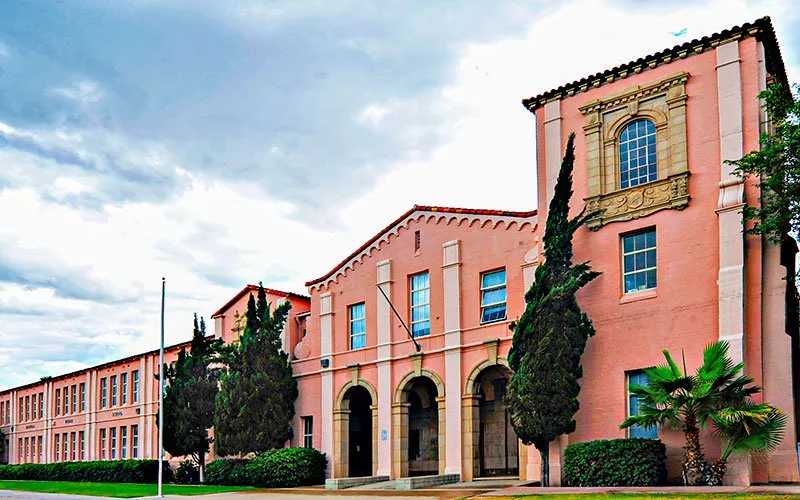
Last night, the board of Tucson’s largest public school district voted to move forward with a hybrid learning model on Monday, Oct. 19, if Pima County’s downward COVID-19 data trends continue.
The Tucson Unified School District has been teaching the majority of its student body through remote learning since March, when in-person classes were canceled in the face of the coronavirus outbreak. Although new cases spiked in June and July, a steady decrease in viral transmission throughout the state has been evident in recent weeks.
According to Pima County’s COVID-19 Progress Report, five of the nine health criteria are making “progress” or have been officially “met.” The progress report tracks local disease data, healthcare capacity and public health capacity.
Because of this, TUSD Superintendent Gabriel Trujillo recommended to the board members during their Sept. 9 meeting that the district embrace the public health data indicating it is safe for a hybrid model of education. This would comprise “some kind of a combination of return to traditional in-person learning, standing alongside the online learning model that parents will still be able to opt-in to,” Trujillo said.
While some district staff and families have expressed concern over reopening schools during a global pandemic, Trujillo said the entire plan is contingent on the Pima County Health Department’s recommendation that it is safe to move to a hybrid model during the week of Oct. 19. If Coronavirus cases begin to rise again, the plan may be put on hold.
The board also agreed to begin a phased reopening of district administration departments on Monday, Sept. 21.
At the board’s next meeting on Sept. 22, Trujillo will bring forward his initial proposal with more detail on what hybrid learning will look like in TUSD.
For more information, visit govboard.tusd1.org.
Tags: Tucson Unified School District , TUSD , Hybrid Learning , Reopening , Gabriel Trujillo , Image
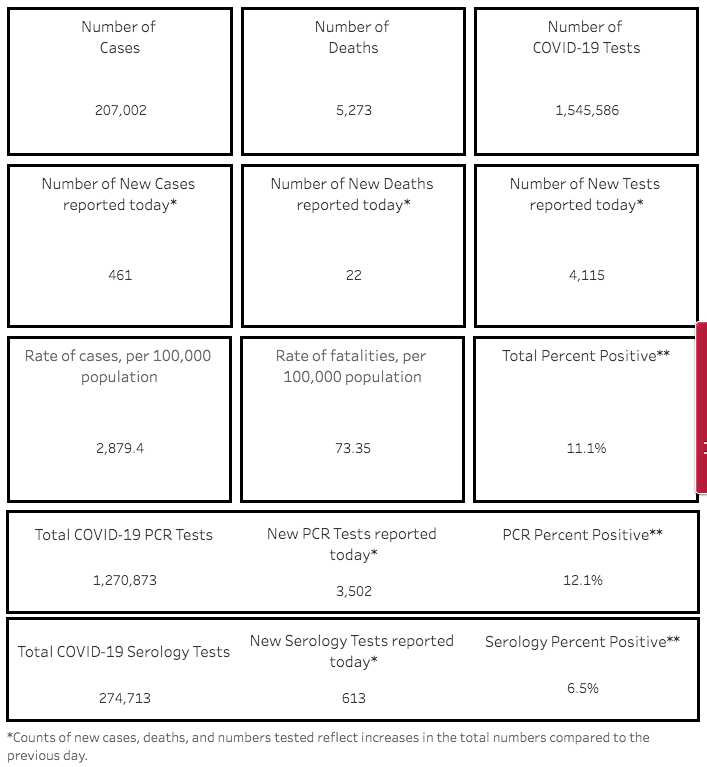
With 461 new cases reported today, the number of Arizona’s confirmed novel coronavirus cases topped 207,000 as of Thursday, Sept. 10, according to the Arizona Department of Health Services.

Pima County had seen 22,140 of the state’s 207,002 confirmed cases.
A total of 5,273 Arizonans had died after contracting COVID-19, including 600 deaths in Pima County, according to the Sept. 10 report.
The number of hospitalized COVID cases continues to decline from July peaks. ADHS reported that as of Sept. 9, 628 COVID patients were hospitalized in the state, the lowest that number has been since April 17, when 613 COVID patients were hospitalized.. That number peaked at 3,517 on July 13.
A total of 888 people visited emergency rooms on Sept. 9 with COVID symptoms. That number peaked at 2,008 on July 7.
A total of 204 COVID-19 patients were in intensive care unit beds on Sept. 9. The number of COVID patients in ICUs peaked at 970 on July 13.
On a week-by-week basis in Pima County, the number of positive COVID tests peaked the week ending July 4 with 2,398 cases, according to a Sept. 4 report from the Pima County Health Department. While a vocal minority continues to insist that masks do no good, the spread of the virus began to decline within weeks of Pima County’s mask mandate, as more people began wearing them in public. For the week ending Aug. 22, the number of new cases dropped to 495 and for the week ending Aug. 29, 455 new cases were reported.
Deaths in Pima County are down from a peak of 54 in the week ending July 4 to 20 for the week ending Aug. 15 and 13 for the week ending July 22. (Note that these numbers are subject to revision as recent cases and deaths may not have been reported.)
Hospitalization peaked the week ending July 18 with 239 COVID patients admitted to Pima County hospitals. For the week ending Aug. 29, 30 COVID patients were admitted to Pima County hospitals.
UA seeing a bump in cases among students
The University of Arizona administration took a stern tone during their Sept. 9 press conference as they indicated consequential action will be taken against students who refuse to follow the university’s rules to prevent disease transmission.
When UA began the fall semester on Aug. 24, they established a public health campaign, free COVID-19 tests, antibody tests, personal protective equipment and other infrastructure to prevent an outbreak on campus. But the administration has found that when students go off-campus, they aren’t following the rules and new COVID-19 positive cases have surfaced.
In sorority and fraternity houses, UA President Dr. Robert Robbins reported high positive percentages among residents: 10 positives of 21 residents in one house, 19 of 30 in another, and 15 of 35 in another.
Because of this transmission, Robbins said it is likely that some Greek life residents will be put on quarantine. Pima County Public Health Director Dr. Theresa Cullen added that during the state’s shelter-in-place order, the positive percentage of COVID-19 tests was around 10 percent.
“When Dr. Robbins shares these percentages, they translate into positivity rates that are far beyond 10 percent,” Cullen said.
She noted that the university is quickly getting into a situation where “we will have to take an aggressive stance.” Any Greek house quarantines would be supervised and supported by the county health department.
Robbins said the university has provided support to off-campus housing management companies and the Greek community to increase awareness of COVID-19 and the proper preventative measures.
About 90 dorm students are currently in isolation units on-campus after testing positive for COVID-19. The administration’s stance is if students refuse to follow social distancing and mask rules, there will be restrictions of activity.
Last week, the university announced a partnership with the Tucson Police Department and local neighborhood associations to crack down on COVID-19 safety violations that occur off-campus.
Robbins and Campus Reentry Task Force Director Dr. Richard Carmona said they expect an upcoming spike in COVID-19 cases over the next few weeks based on the student behavior and activities they’ve observed since the school year began.
They both said they are aware of student parties that have been going on, and that significant transmission will happen if consequences aren’t established now.
“These numbers just show to me that we’re not doing a good job of controlling the transmission of the virus,” Robbins said.
Wednesday, September 9, 2020
Editor’s Note: Coronavirus has devastated Native American communities and put a spotlight on some long-standing problems in Indian Country that have made this pandemic that much worse. But at the grassroots level, everyday heroes have stepped up to help. Part of a series.
PHOENIX – In March, Tawny Jodie was preparing to travel to Israel for her first trip overseas. By July, she was masked and delivering food boxes in rural New Mexico amid a deadly pandemic.
A full-blooded Navajo, the 20-year-old said she was compelled into service when COVID-19 started ravaging her community and others across the Navajo Nation.
With the virus disproportionately affecting tribal nations due to health disparities, poor infrastructure and chronic underfunding to fix persistent problems, young people like Jodie have stepped up to help others, preserve their culture and start the healing process.
Jodie is one of several young adults living near Window Rock who shared what their lives have been like these past few months – and what’s kept them going as they look ahead to a future beyond coronavirus.

Canned, wet cat food donations can be dropped off at the HSSA's main campus, located at 635 W. Roger Rd from 11 a.m. to 4 p.m Monday through Saturday or noon to 4 p.m. on Sunday.
You can also help out the HSSA from the comfort of your home by donating through the shelter's Amazon Wishlist. Just purchase an item from the list and Jeff Bezos' minions will deliver them straight to the HSSA.
HSSA's furbabies thank you for your support. For more information, check out hssaz.org
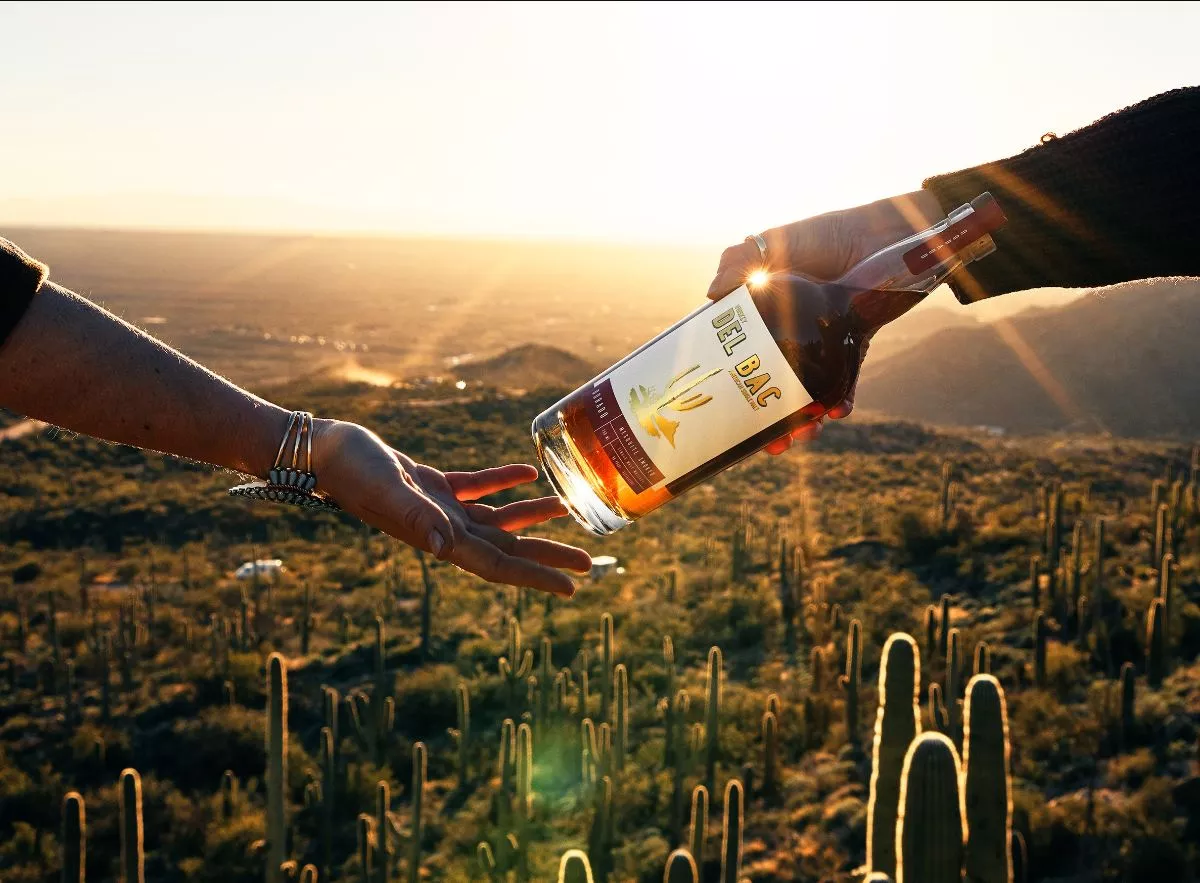
Flying Aprons is moving their in-person cooking classes online via Zoom starting Thursday, Sept. 9 from 5:30 p.m. to 7:30 p.m.
This week's class, Shaken Not Stirred-Single Malt Whiskey Tucson Style & Savory Bites—featuring Tucson's own Whiskey Del Bac—pairs Phoenix mixologist Jax Donahue with beloved Tucson chef Devon Sanner to produce three delectable food and libation experiences you'll learn how to recreate at home:
First Cocktail: The S.S.S with Whiskey Del Bac Dorado, honey syrup, citrus bitters and other ingredients.
First Savory Bite: Prosciutto-wrapped fig, honey + chamomile goat cheese, thyme, prickly pear gastrique.
Second Cocktail: The Lawless Drinker, using Whiskey Del Bac Old Pueblo, passion fruit, vermouth and lemon.
Second Savory Bite: Ginger and lemongrass shrimp spring rolls with coconut and peanut dipping sauce.
Third Cocktail: Stone Fashioned, features Whiskey Del Bac Classic, peach syrup and other ingredients.
Third Savory Bite: Pecan and basil pesto bruschetta with heirloom tomato, balsamic agrodolce.
Registration for the Zoom class is $40 per screen and ready-to-go kits for the cocktails and savory bites are available to preorder and pick up before the class begins.
Click here for more information.

Both months combined to make this summer Tucson's hottest in all 125 years of weather records. According to data collected by NWS, this August held a combined average temperature of 92 degrees. This July held a combined average of 91.5 degrees. Before these last two months, the hottest monthly average was in July 2005 at nearly a full degree lower.
The average August temperature over the last 125 years is 84.7 degrees, and the average July temperature for the same range is 86.5. These temperatures are not daily highs, but averages over the entire month—highs and lows.And while these last two were the hottest months on average, the maximum temperature recorded in Tucson was in June 1990 at 117 degrees.

The University of Arizona administration took a stern tone during their Sept. 9 press conference as they indicated consequential action will be taken against students who refuse to follow the university’s rules to prevent disease transmission.
When UA began the fall semester on Aug. 24, they established a public health campaign, free COVID-19 tests, antibody tests, personal protective equipment and other infrastructure to prevent an outbreak on campus. But the administration has found that when students go off-campus, they aren’t following the rules and new COVID-19 positive cases have surfaced.
In sorority and fraternity houses, UA President Dr. Robert Robbins reported high positive percentages among residents: 10 positives of 21 residents in one house, 19 of 30 in another, and 15 of 35 in another.
Because of this transmission, Robbins said it is likely that some Greek life residents will be put on quarantine. Pima County Public Health Director Dr. Theresa Cullen added that during the state’s shelter-in-place order, the positive percentage of COVID-19 tests was around 10 percent.
“When Dr. Robbins shares these percentages, they translate into positivity rates that are far beyond 10 percent,” Cullen said.
She noted that the university is quickly getting into a situation where “we will have to take an aggressive stance.” Any Greek house quarantines would be supervised and supported by the county health department.
Robbins said the university has provided support to off-campus housing management companies and the Greek community to increase awareness of COVID-19 and the proper preventative measures.
About 90 dorm students are currently in isolation units on-campus after testing positive for COVID-19. The administration’s stance is if students refuse to follow social distancing and mask rules, there will be restrictions of activity.
Tags: University of Arizona , COVID-19 , Coronavirus , Robert Robbins , Richard Carmona , Theresa Cullen , Image

