
Wednesday, January 5, 2022
More Ducey money for COVID-19 school closures ... The election "audit" news is never-ending ... And an unexpected Bruce Willis aside.
As students return to classrooms following the winter break, and lawmakers return to the Capitol following their long summers, education is again at the forefront of the political agenda.
So far, lawmakers have mostly stuck to hot-button topics like requiring written parental permission to join LGBTQ student clubs, picking on trans kids in sports and otherwise, and teaching kids to denounce communism.
We’re still waiting to see a bill that addresses the much bigger issue of the constitutional cap on school spending that’s screwing schools out of $1.2 billion in funding that they already have because enrollment was artificially low last year during the pandemic. Lawmakers need to suspend that cap by March, or schools budgets will be thrown into chaos.
But Republican lawmakers are hesitant to raise or suspend that cap because doing so would undercut their legal arguments against Proposition 208, the 2020 Invest in Education initiative, which increases taxes on high earners to pay for education and is still working its way through the courts.
And while lawmakers are largely focused on sex, communism and sports, Gov. Doug Ducey announced a new “preemptive action” yesterday to pay parents to take their kids elsewhere if schools close.
Ducey set aside $10 million from the federal American Rescue Plan Act to give parents up to $7,000 to cover child care, school transportation, online tutoring and even private school tuition if they meet income requirements and their school or classroom closes “even for one day.”
We’re making sure in-person learning remains an option for all Arizona families and students. That’s why we’re taking preemptive action and launching the Open for Learning Recovery Benefit. 1/
— Doug Ducey (@dougducey) January 4, 2022
Karamargin emphasized that Ducey has long been a proponent of the public education system. But he couldn’t say if Ducey plans to use his State of the State speech Monday to advocate for increasing the spending cap that has schools worried about future layoffs.It’s a lot like the plan he announced at the beginning of the school year to pay families to change schools if their school requires masks. That proposal also set aside $10 million, or $7,000 per student, and the Governor’s Office told us has doled out $600,000 so far. (For the math-challenged, that’s about 100 kids in a state with more than a million students.)
“Our expectation and our hope is that Arizona schools will remain open to the greatest extent possible. And many of them are sincerely working toward that goal,” Ducey spokesman C.J. Karamargin told us, adding that there’s a broad consensus among educators and politicians, including President Joe Biden, that schools should remain open.
Tuesday, January 4, 2022
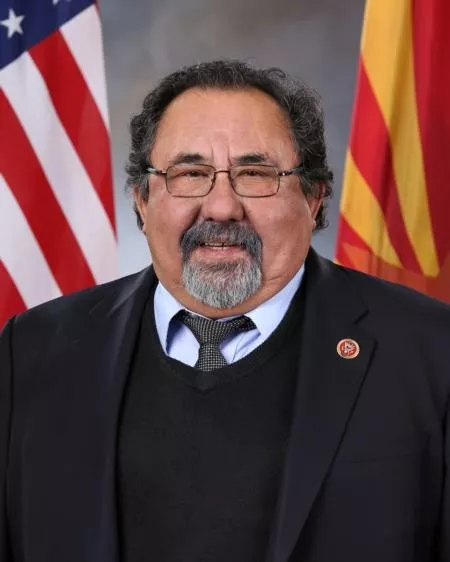
As we remember January 6th and the dark actions of the mob attack on our nation’s Capitol, we fully realize that this insurrection was a calculated conspiracy to overthrow our democracy. It was a fascist attempt to, by force and lies, overturn a legitimate election. This violent, failed coup was sanctioned by a sitting president, aided and abetted by Members of Congress and other elected representatives, all of them members of the Republican Party.
The dangers posed by this fascist power grab have not dissipated. The forces responsible for Jan. 6 continue to jeopardize our nation. The behaviors that fomented this insurrection persist, and we see it as Republican office holders and extremist/supremist groups continue to plot to establish a form of government that relies on fear and lies to secure power for a minority of Americans at the expense of the rights and voices of the majority.
Republicans continue to utilize and expand the 2020 election playbook by demonizing the media, politicizing science and facts, questioning the legitimacy of judicial rulings, downplaying the insurrection, and perpetuating the Big Lie that the outcome of the 2020 election was stolen. Across the country, former President Trump, the Republican Party and his allies continue to fan flames of subversion, enact undemocratic policies and legal challenges, threaten elected officials who disagree with the outcome of the election, illegally gerrymander their way into power, and seek key statewide offices that oversee elections in swing states like Arizona that will enable Republicans to overturn the will of the people in future elections.
In Arizona, we have the former Liar-in-Chief hosting a rally on January 15th to move the Big Lie movement and fascism forward in our nation. We must defend our democracy and pursue efforts to ensure that our democracy is protected and our right to vote remains free and fair. I will continue to push our Senate colleagues to pass critical voting rights legislation and measures that protect our system of government from corruption and weaponization by any future president. We must support the January 6th Committee to complete its work swiftly to hold the insurrectionists and those Republican officials and individuals who aided in the failed coup accountable. The Biden administration and Department of Justice must do much more to protect our democracy.
As the former President’s event comes closer, it’s time for Arizonans to get involved, register to vote, volunteer, andcivically engage in protecting our democracy. We must fight back and resist state-level attempts to make voting more difficult and organize to oppose enactment of anti-democratic state laws. I urge Gov. Ducey and the community to exercise caution and restraint to maintain public safety and keep people safe regardless of political views or party affiliation.”
Tuesday, December 21, 2021

Dang, known affectionately by family as “the little one,” was a sharp wit who was passionate and joyous. She was filled with brilliant ideas and dreams of adventure. She believed that education could empower youth to carve out a better world, and fiercely advocated for the support of their potential.
Earlier in life, she served as a Skrappy’s volunteer in rotating programs supporting at-risk youth, speaking at City Council Meetings and assisting in forums to implement protections and assistance for the ones who fell through the cracks.
After graduating from the UA and receiving her masters in teaching from the University of Chicago, Dang returned home to the desert and served in Tucson as a public school teacher. She continued to be an outspoken advocate of the underserved, always committed to civic engagement aimed to support those facing social and racial inequities.
Throughout her life she imprinted her legacy on the people she loved and supported, and the many children who sat in her classroom. No amount of words can encompass her beauty, or the immeasurable loss felt by her death.
A public celebration of love for Dang will be held Jan. 9, 2022, at La Cocina at 5 p.m.
Friday, December 17, 2021
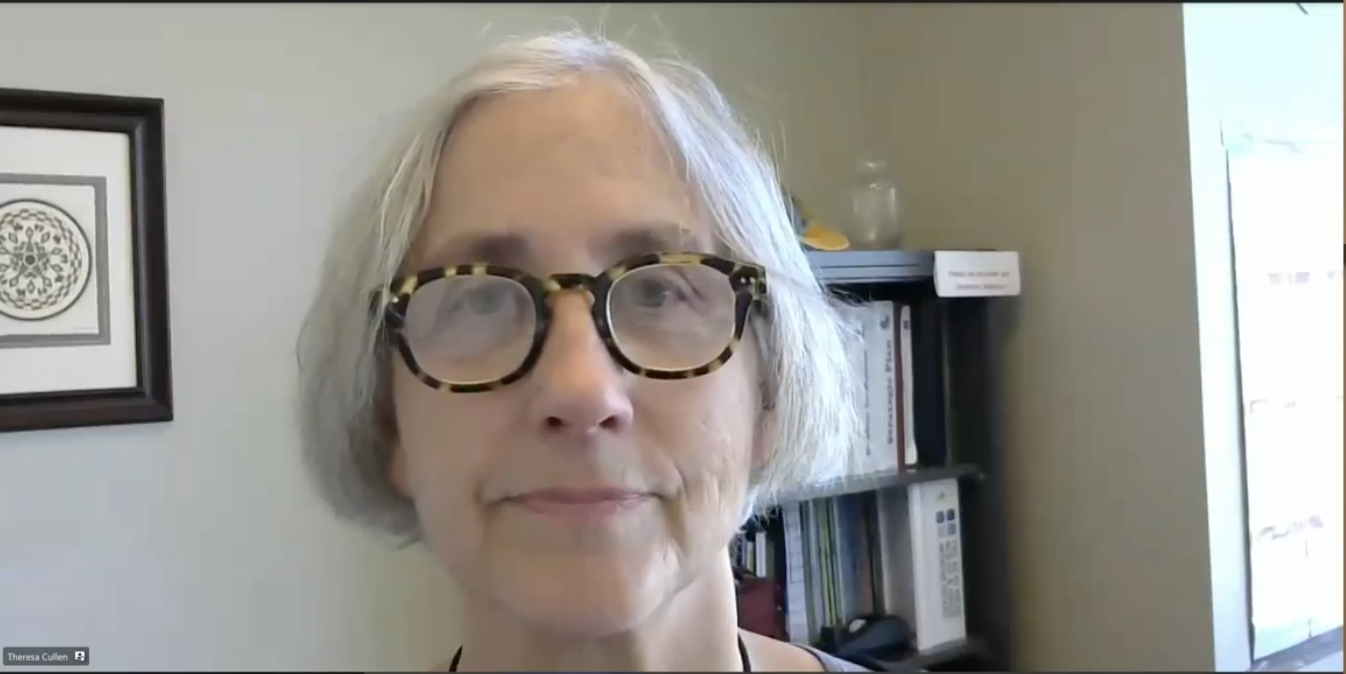
Omicron is in Pima County.
Local health officials announced a positive test of the Omicron variant of COVID-19 on Thursday, Dec. 16.
According to a Pima County Health Department press release, the individual who contracted the variant tested positive for COVID in early December. Genetic sequencing later revealed it was the Omicron variant and its findings were verified by the Arizona Department of Health Services 24 hours later.
"We knew it was a matter of when, and not if, Omicron would be in Pima County," said Pima County Health Department Director Dr. Theresa Cullen in a press release.
There is speculation the Omicron variant causes less severe symptoms than the original virus and the Delta variant, but more research is needed to accurately determine the variant’s severity. Thus far, it is clear Omicron is more transmissible than the original virus.
The high transmissibility of Omicron will most likely lead to more infections and break out infections in vaccinated people. COVID vaccines with an additional booster shot should effectively protect people from severe illness and death caused by Omicron, according to the Centers for Disease Control.
Pfizer-BioNTech released preliminary results from a non-peer-reviewed study showing the Pfizer COVID-19 two-dose vaccination series will somewhat neutralize the Omicron variant, but three doses are most effective.
“Getting the vaccine is highly effective in preventing serious illness and death, including against the variants,” Cullen said. “If you have been vaccinated, get boosted to stay protected. And follow the other layered mitigation strategies—wear a mask in public indoor spaces, wash your hands frequently and physically distance."
The high transmissibility of the Omicron variant threatens to further overwhelm Arizona healthcare systems.
Wednesday, December 15, 2021
Banner Health, Arizona’s largest healthcare system, reported hospital inpatient numbers are at the highest level since the start of the pandemic during a Dec. 14 press conference.
Banner Health Chief Clinical Officer Dr. Marjorie Bessel begged the public to get vaccinated ahead of the holiday season during Tuesday’s press conference. Bessel said some Banner hospitals are operating above 100% capacity.
“Currently, COVID patients account for 36% of our ICU (Intensive Care Unit) patients,” Bessel said.
She added that 88% of those COVID ICU patients are unvaccinated "and half of our patients on ventilators are COVID positive.”
Although COVID patients aren’t the only people filling hospital beds, unvaccinated people are more likely to be hospitalized than vaccinated people. The Arizona Department of Health Services recently released a report showing unvaccinated Arizonans were 3.9 times more likely to test positive for COVID and were 15.2 times more likely to die from COVID-19 than vaccinated Arizonans.
It’s been exactly one year since COVID vaccines became available in Arizona. On Dec. 14, 2021, Gov. Doug Ducey announced Arizona had received the first doses of COVID vaccines. The past year provided ample opportunities for research on the safety and efficacy of vaccinations. The AZDHS report shows an overwhelmingly positive impact the vaccines have on personal safety and lowering the need for hospital stays related to COVID infection.
“My top ask of the community at this time is for all who are eligible to get vaccinated and receive your boosters if you have not yet done so,” Bessel said. “This is the best way to prevent serious COVID illness that requires hospital-level care.”
Bessel said Banner is at a contingency level of care but could transition to crisis standards of care if hospitalizations continue to rise.
Contingency level of care means that hospitals are not operating normally. Bessel said Banner staffers have been doing less documentation and certain patients may have experienced prolonged wait times for non-essential healthcare visits. Healthcare staff is also being moved to different units they don’t normally work in to support the lack of health care workers. The national labor shortage hit the healthcare workforce hard this last year.
“We are experiencing the impact of this shortage in our hospitals, with many core team members who decided to retire, exit the healthcare industry, or transition to non-bedside roles because of prior surges and the enormous physical and mental impact the pandemic has had on them,” Bessel said.
Banner Health has hired 2,600 travel workers to support on-site staffing.
Crisis standards of care are determined by the State of Arizona and AZDHS has a procedural plan to provide healthcare institutions with guidance. According to AZDHS, crisis standards of care will only occur during the most extreme disasters that directly impact the healthcare system.
AZDHS guidelines say crisis standards of care will apply when most of the community’s infrastructure is in bad shape; local officials can’t perform their roles to assist the community; community functions are irregular, and there’s a major strain on regional resources.
Although Arizona healthcare systems have not hit this threshold, Bessel said it is possible. Banner Health estimates future hospital needs by forecasting surges in inpatient care and recent forecasts are not positive.
“If our continued forecast holds true, we will be in a position where we will be unable to meet the care needs of all of Arizonans,” Bessel said.
The current forecast from Banner Health says hospital needs will continue to increase until a peak in mid-January.
The estimate follows the timeline of seasonal holiday celebrations. Public health officials have been reluctant to tell people to avoid family gatherings during the holiday season, but they recommend wearing a mask indoors if family members are not vaccinated and to get vaccinated before congregating with family members.

Tuesday, December 14, 2021

Monday, December 13, 2021
Friday, December 10, 2021

The Arizona Department of Health Services and Yavapai County Community Health Services confirmed Arizona’s first known case of the COVID-19 Omicron variant on Dec. 8.
Although some initial data from the South African Medical Research Council indicates the Omicron variant may have less severe symptoms than previous mutations, health officials advise the public to receive vaccinations or booster shots if they have already gotten vaccinated.
Pfizer-BioNTech released preliminary results from a non-peer-reviewed study showing the Pfizer COVID-19 two-dose vaccination series will somewhat neutralize the omicron variant, but three doses is most effective.
“I think that this finding from Pfizer should be reassuring and should reaffirm to people how important it is for them to get a booster and if they are not vaccinated to please seek vaccination as soon as possible, especially with the holidays coming up,” Pima County Health Department Director Dr. Theresa Cullen said during a Dec. 8 press conference.
As scientists race to understand Omicron, vaccines are the best option to avoid national shutdowns. Cullen said that people who are vaccinated protect themselves, their families and their communities.
“While it is not the only way out of this pandemic, it is an essential component for us to be able to move forward and to start recovering,” Cullen said.
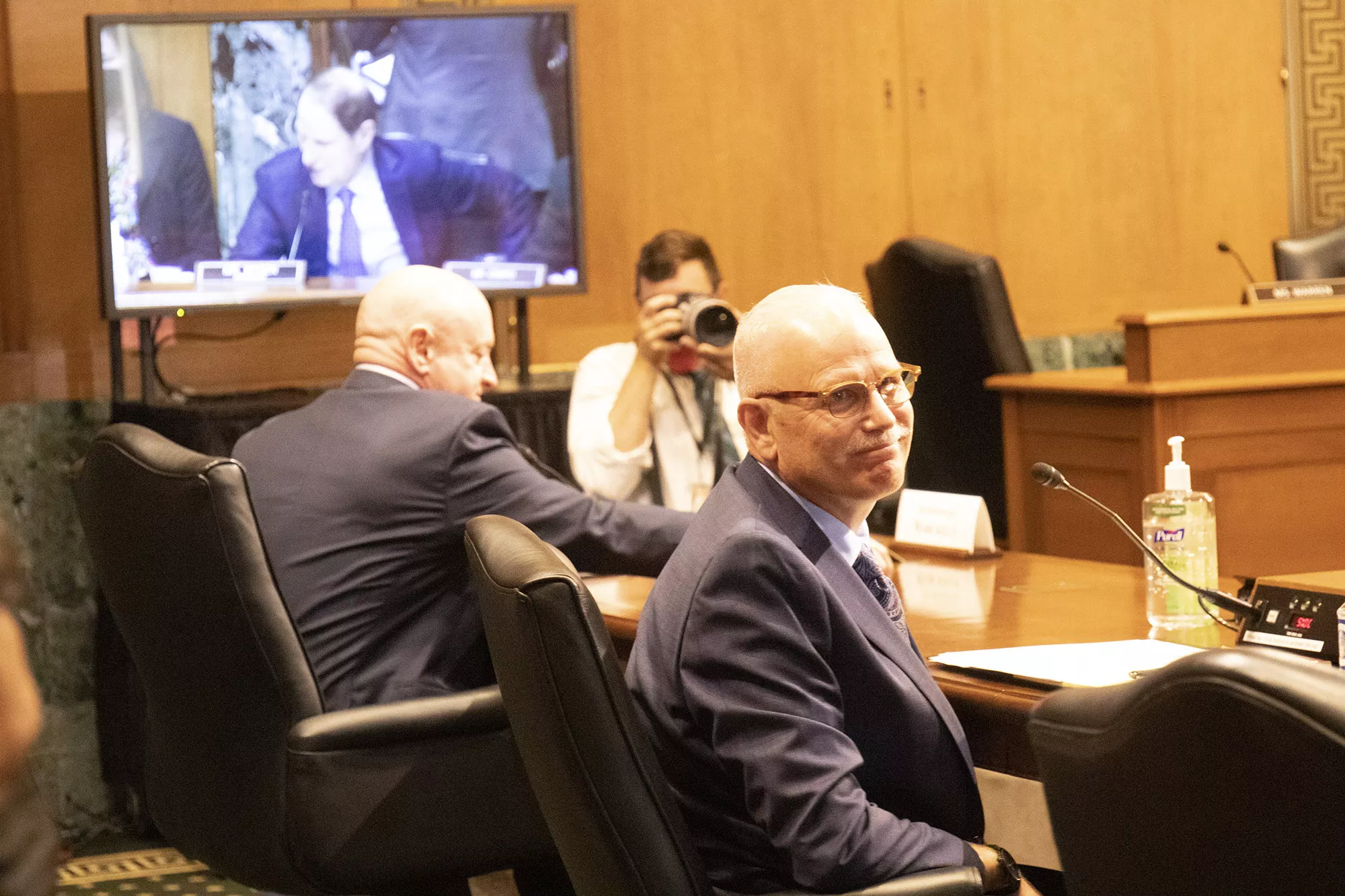
WASHINGTON – The Senate voted by the slimmest of margins this week to make Tucson Police Chief Chris Magnus the next commissioner of Customs and Border Protection, confirming his appointment almost eight months after he was first nominated by President Joe Biden.
The 50-47 vote Tuesday came with just one Republican, Sen. Susan Collins of Maine, joining 49 Democrats to approve the nomination. Despite the lopsided vote, Sen. Mark Kelly, D-Ariz., welcomed what he called the bipartisan confirmation of Magnus to take over at a challenging time for the agency.
“Chris Magnus brings experience and understanding of Southern Arizona that will be important for his new role leading CBP as we continue working to secure the border, upgrade our ports of entry, and ensure a more orderly and humane process at the border that doesn’t fall on Arizona communities,” Kelly said in a prepared statement.
But critics called Magnus the “wrong man at the wrong time” for CBP, which reported a record 1.7 million migrant encounters at the southwest border in fiscal 2021.
Republicans in his Senate Finance Committee nomination hearing in October repeatedly tried to get Magnus to call the border situation a “crisis,” which he declined to do.
While he called the border situation “one of the most serious problems that we face right now,” Magnus said he wanted to spend time working to fix a broken system and “a little less time debating what the terminology is.”
GOP senators also pointed to a Magnus opinion piece in the New York Times in 2017 opposing a Trump administration proposal that would have withheld federal funding from immigration “sanctuary cities,” a move Magnus said then, and during his hearing, would threaten local public safety.
Magnus also came under fire for his criticism of then-President Donald Trump’s decision to send Department of Homeland Security officers into Portland, Oregon, to protect the federal courthouse there during the 2020 protests, a deployment that state and local officials had also opposed. None of those positions assuaged opponents of his nomination.
“As the Border Patrol is overwhelmed with record numbers of people crossing our border illegally – compounded by vast amounts of lethal drugs being smuggled into our country – the men and women who serve in that agency deserve a leader who will provide them with the proper support and resources they need to protect the American people,” said a statement from Dan Stein, president of the Federation for American Immigration Reform. “Chris Magnus is most assuredly not that guy.”