

Thursday, January 6, 2022
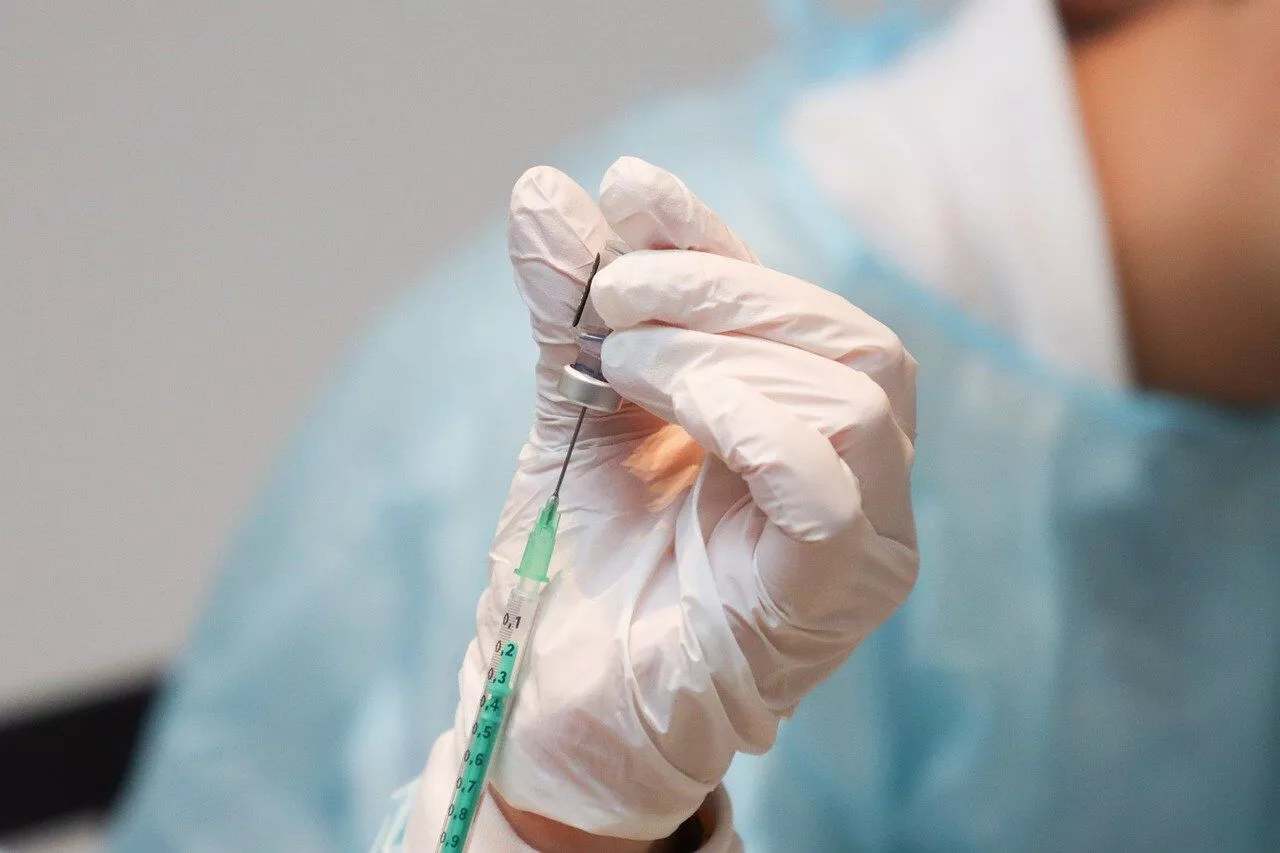
A new report released by state health officials found that unvaccinated Arizonans are 31 times more likely to die of COVID-19 and nearly five times more likely to test positive for the virus than their unvaccinated counterparts.
“This is a big change from October, when the unvaccinated were 15.2 times more likely to die from COVID-19 and 3.9 times more likely to get the disease,” Arizona Department of Health Services Director Don Harrington said in a blog post about the report.
This is the second report released by the state health agency with similar findings recently to highlight the effectiveness and importance of the free vaccination program.
Only about 59% of Arizona’s population has received at least two doses of the vaccine, with the vast majority of those being people between the ages of 20 to 44 and 65 and up, according to ADHS data.
“It’s free, safe, widely available, and, as the evidence clearly shows, highly effective,” Harrington said in his blog post about the recently released data.
As the highly infectious omicron variant causes the state to see the sharpest increase in cases it has seen yet during the pandemic, experts and public health officials such as Harrington are continuing to stress the importance of the vaccine as well as boosters for those who have already been vaccinated.
Preliminary results in places like the United Kingdom, which has been grappling with the omicron variant, has shown that those who get booster shots have a 70-to-75% protection against symptomatic infection from the omicron variant.
“There simply is no arguing with the data: COVID-19 vaccines and boosters save lives,” Harrington said.
Arizona reported 7,749 new cases of COVID-19 and 61 deaths on Wednesday, bringing the state’s total number of people infected since the start of the pandemic to more than 1.4 million and more than 24,500 dead, according to AzDHS data.
Anyone seeking a vaccination can find vaccine information online for Maricopa County here and statewide here.
Arizona Mirror is part of States Newsroom, a network of news bureaus supported by grants and a coalition of donors as a 501c(3) public charity. Arizona Mirror maintains editorial independence. Contact Editor Jim Small for questions: [email protected]. Follow Arizona Mirror on Facebook and Twitter.
Nearly every claim that Senate President Karen Fann’s so-called audit team made about the 2020 general election was either inaccurate, misleading or patently false, according to a long-awaited rebuttal by Maricopa County.
County officials have spent months since the audit team presented its findings in September examining the allegations, which included tens of thousands of possibly questionable votes, ballot tabulation equipment being improperly connected to the internet, illegally deleted files and early ballots being inappropriately counted despite missing signatures from voters.
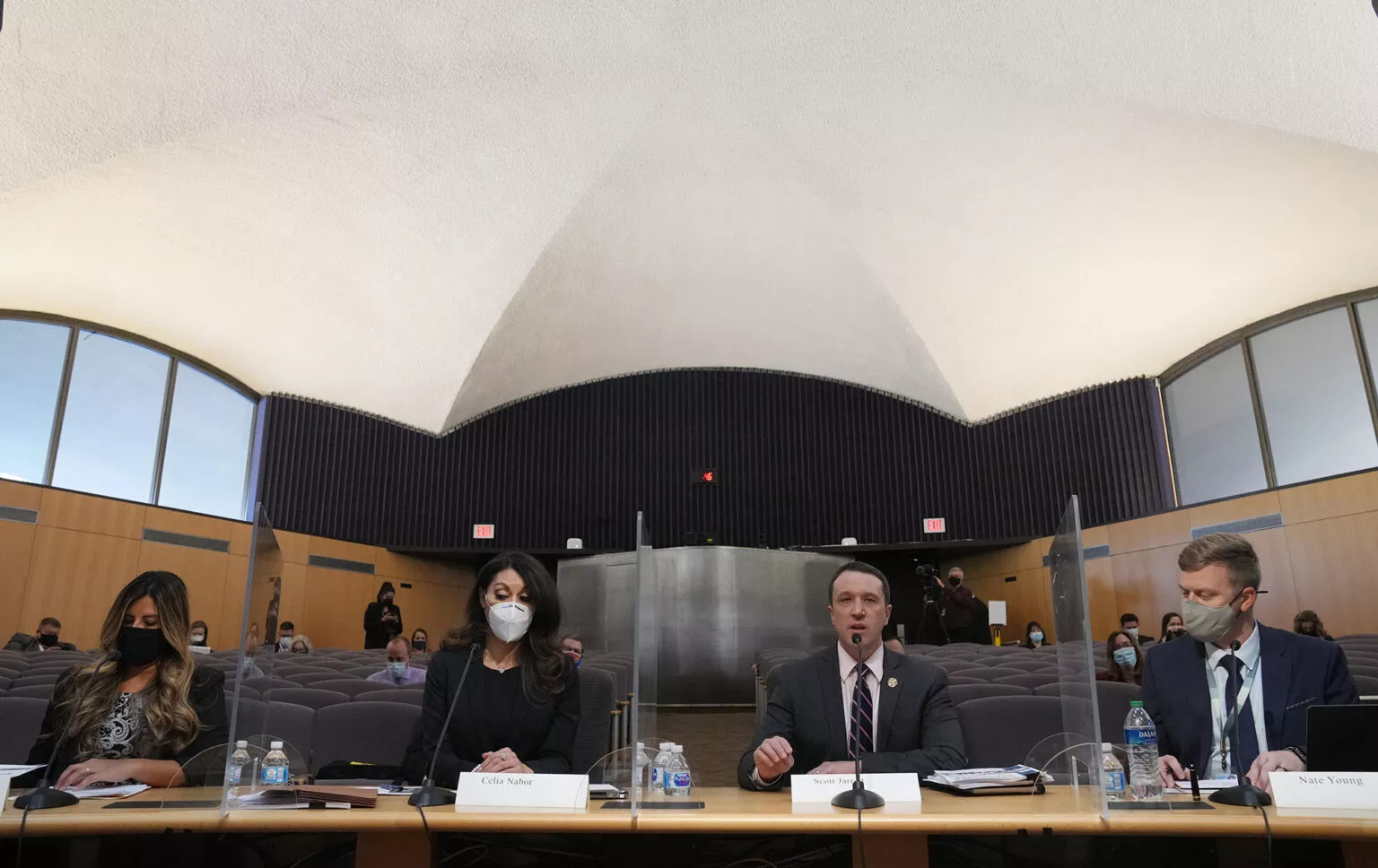
During a four-hour presentation to the Maricopa County Board of Supervisors and county Recorder Stephen Richer on Wednesday, members of the county’s elections team laid out a point-by-point refutation of the claims made by audit team leader Cyber Ninjas and other members of the team that spent six months hand-counting ballots, examining machinery and probing other aspects of the 2020 election. The county also issued a 93-page report, titled “Correcting the Record: Maricopa County’s In-Depth Analysis of the Senate Inquiry,” on its findings.
Fann initiated the audit in response to the false claims that former President Donald Trump and many of his supporters spread that the 2020 election was rigged against him. She hired Cyber Ninjas despite the company’s lack of relevant qualifications or experience with election-related matters. Doug Logan, the company’s founder and the leader of the audit team, had promoted those false claims and had even actively participated in the “Stop the Steal” movement that attempted to legitimate those allegations and overturn President Joe Biden’s victory.
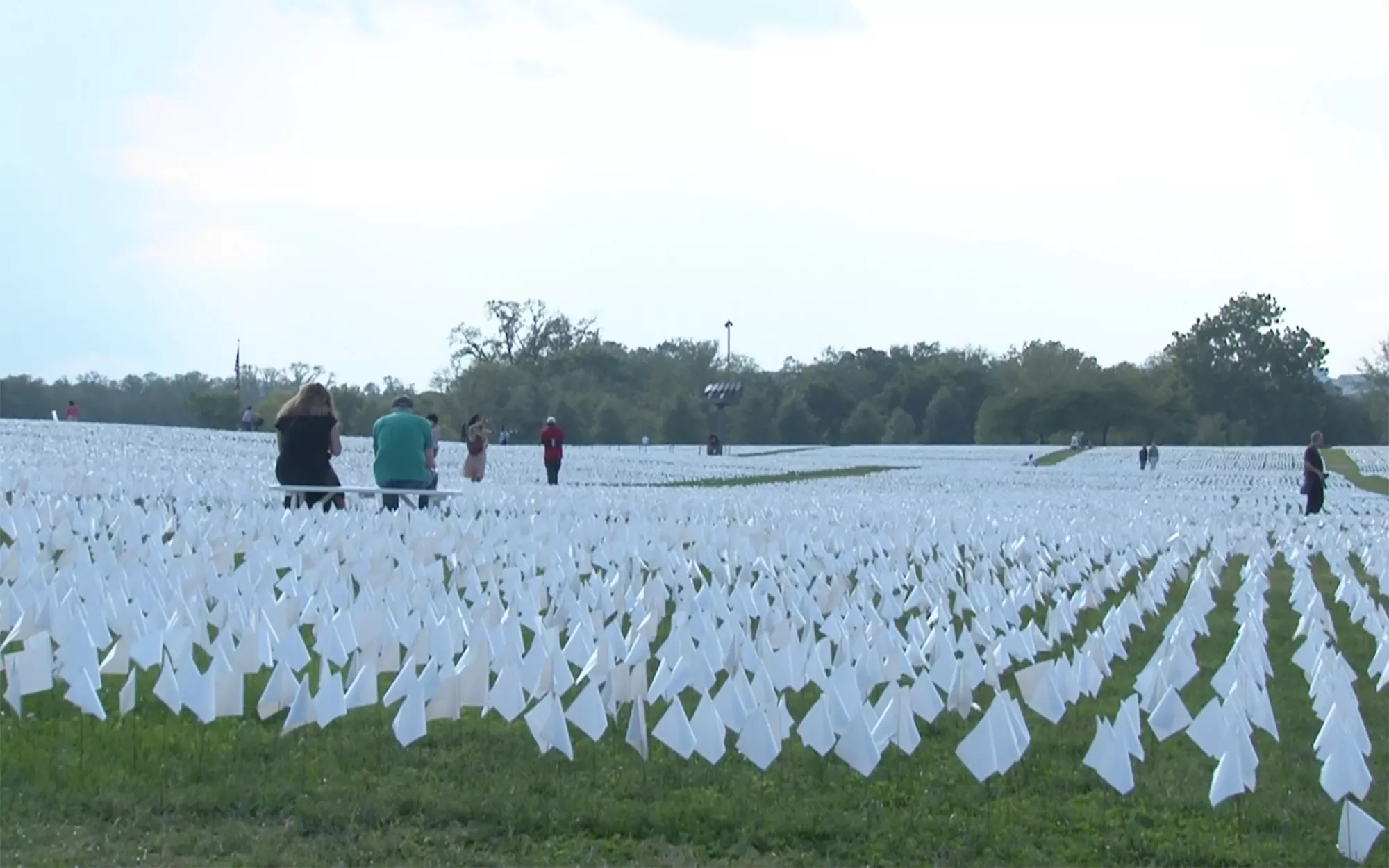
WASHINGTON – COVID-19 claimed almost 15,800 lives in Arizona this year, putting it on track to be the leading cause of death in the state in 2021.
Official mortality numbers will not be available for months, but the other top causes of death in the state, cancers and heart disease, have each killed around 12,000 people in recent years. The exception was 2020, when heart disease claimed 14,185 lives in the state.
The Arizona Department of Health Services reported an unofficial total of 24,229 COVID-19 deaths in the state as of Dec. 31. With 8,430 of those deaths coming in 2020, according to a preliminary state report on vital statistics for that year, that would leave 15,799 deaths from COVID-19 in 2021.
“That’s a lot of deaths and deaths are hard to be mistaken about,” said Dr. Joshua LaBaer, executive director of Arizona State University’s Biodesign Institute. “A death is a death, there’s no misdiagnosis there.”
The surging COVID-19 numbers are a change from 2020, when the virus was the third-leading cause of death behind heart disease and cancer.
LaBaer said that while it does not surprise him that COVID-19 could be the leading cause of death in the state, he is surprised by the number of deaths that occurred after the roll-out of vaccines early this year. COVID-19 killed more than 42 people a day on average in 2021, up from a daily average of just under 26 a day in 2020.
Rep. Tom O'Halleran: Jan. 6 Insurrection "Showed Us the Power that Lies and Division Can Truly Have"
On this day one year ago, I sat on the Floor of the House of Representatives preparing to speak in support of the validity of Arizona’s election results when armed insurrectionists breached the Capitol and staff and members were rushed from the chambers. All around me I saw people running, calling out to friends, and doing what they could to help one another, their faces full of fear.
But no fear bothered me so deeply as the alarm I saw in our Capitol Police Officers’ eyes. As a former police officer and homicide detective, I’ve seen and felt fear myself. The hardworking men and women of the force sworn to protect and serve the U.S. Capitol, members, and staff knew they were under attack. They were being brutally beaten, were committing heroic and selfless acts to keep us safe, and were, quite literally, holding the line to protect our democracy.
Their faces are what I remembered most vividly when we learned later that a brave officer was lost to the violence of the day and four more to suicide later, with 140 suffering physical injuries and far more from injuries invisible. The numbers are unbelievable, unacceptable.
Among loss of life, trauma, and a nation shaken, the events of January 6, 2021, showed us the power that lies and division can truly have.
The work of the former president and his allies to undermine faith in our election process by attempting to mislead the American public only served to weaken us and make us vulnerable to foreign actors who would do us harm.
But we can heal from this, and indeed we have begun to do so. We certified the 2020 election results, have worked to rebuild trust in our democratic systems, and must continue to protect the right to vote and the power of each American’s vote. We can only do this by working together—continuing to show up to the table, striving to understand one another, and putting aside partisan differences to improve the lives of all Americans.
Thus, as we reflect on the anniversary and the pain of this dark day, we must also think of the strength of what our nation can be—the unity we can work to build in our own communities that will create a wholly less divided America.
I am proud to be part of a Congress that resolved to reconvene as soon as possible on this day last year to finish what we started. We could not, and did not, let anything stop us from serving the American people and fulfilling our constitutional duty. I never will.
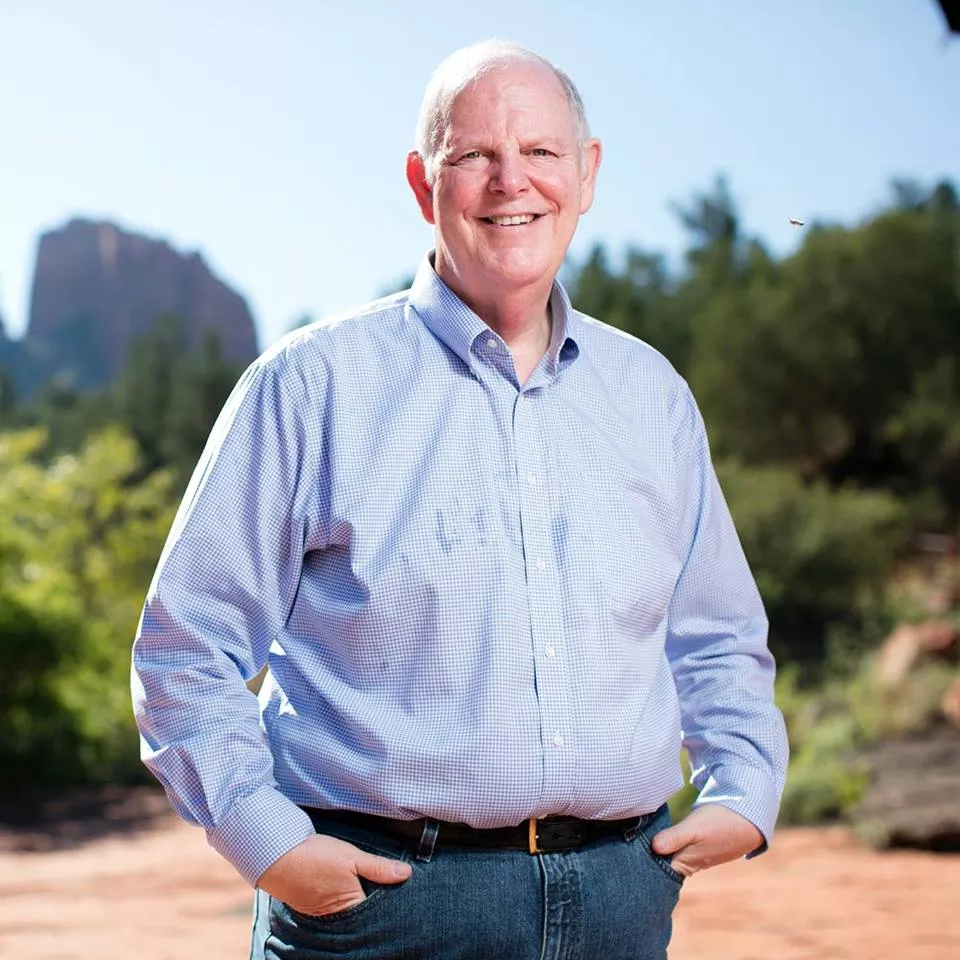
Congressman Tom O'Halleran represents Arizona's First Congressional District.
It's probably wishful thinking ... All about Hell Week ... And a Tennesseean lawmaker we wish lived here instead.
The Maricopa County Board of Supervisors, joined by County Recorder Stephen Richer, went through the Cyber Ninjas’ report beat by beat for more than five hours yesterday, and the county released a 93-page report debunking all but one claim made by the Ninjas.
It took the county more than three months to issue its detailed response, but the results are thorough. The county’s elections department declared 22 of the Ninjas’ claims misleading, 41 inaccurate and 13 outright false. The full report, called “Correcting the Record,” is available on the county’s website.
Throughout the lengthy hearing, Richer, and less frequently a supervisor or two, made pointed remarks about the Ninjas and the Arizona Senate for perpetuating false claims about the 2020 election, while elections experts with the county addressed the specifics of allegations about Sharpies, signature verification, duplicated ballots and more. We won’t go through each claim here, but the Republic’s Jen Fifield has a rundown of some of the big ones.
The county did find a handful of cases of potential voter fraud — mostly people allegedly forging their deceased spouses signatures to vote on their behalf — as happens every year, and forwarded the cases on to the Attorney General’s Office for investigation and possible prosecution.
As the hearing wrapped, Supervisor Bill Gates, who was chosen as the new chairman yesterday, said the county needed to move on and focus on upcoming elections.The one allegation against election officials that the county agreed was accurate: 50 ballots were indeed scanned and counted twice, Elections Director Scott Jarrett said, noting that this did not affect a single race. It was an “honest mistake” made by a temporary county worker, he said.Out of 53,304 ballots claimed questionable by the #azaudit cyber ninjas, @MaricopaVote will be forwarding 32 for further investigation by @GeneralBrnovich after a 3 month long investigation.
— The AZ - abc15 - Data Guru (@Garrett_Archer) January 5, 2022

WASHINGTON – Almost two years after the first case of COVID-19 was discovered in Arizona, new infections in the state have reached a “bizarre plateau,” rising from summertime lows in the hundreds to more than 3,100 new cases a day through the fall.
And experts said they don’t expect that to change anytime soon, as long as vaccine hesitancy continues and new variants keep cropping up.
“It’s here, it’s not going away,” said Dr. Georges Benjamin, executive director of the American Public Health Association.
After peaking at close to 7,700 cases a day in January 2021 – with several days that month topping more than 10,000 new cases – the number of infections plummeted in Arizona, as vaccines became widely available, to just less than 500 a day in June.
But they started climbing in July and have been rising since, averaging more than 3,400 cases a day through November and December, according to the Arizona Department of Health Services, with 7,720 reported on Friday alone. The White House said Wednesday that Arizona is one of the states that will be getting help from Federal Emergency Management Agency paramedics – 20 on Christmas Eve and another 40 next week – to help handle the growing caseload.
“It’s pretty clear, at least for the time being that Arizona is, it’s not a surge, it’s certainly sort of a bizarre plateau,” said Dr. Joshua LaBaer, executive director of Arizona State University’s Biodesign Institute.
“And looking at other places like the U.K. and parts of Europe, a lot of them are experiencing what we are experiencing, which is that they came down from this really high peak, but they haven’t really come down all the way and they
’re not staying down,” he said.
One reason that COVID-19 numbers do not go all the way down is the arrival of “very aggressive variants,” first the delta variant in spring and more recently the omicron variant. The second reason, he said, are the relatively large number of unvaccinated people in Arizona, who provide a pathway for those variants to spread.
Wednesday, January 5, 2022
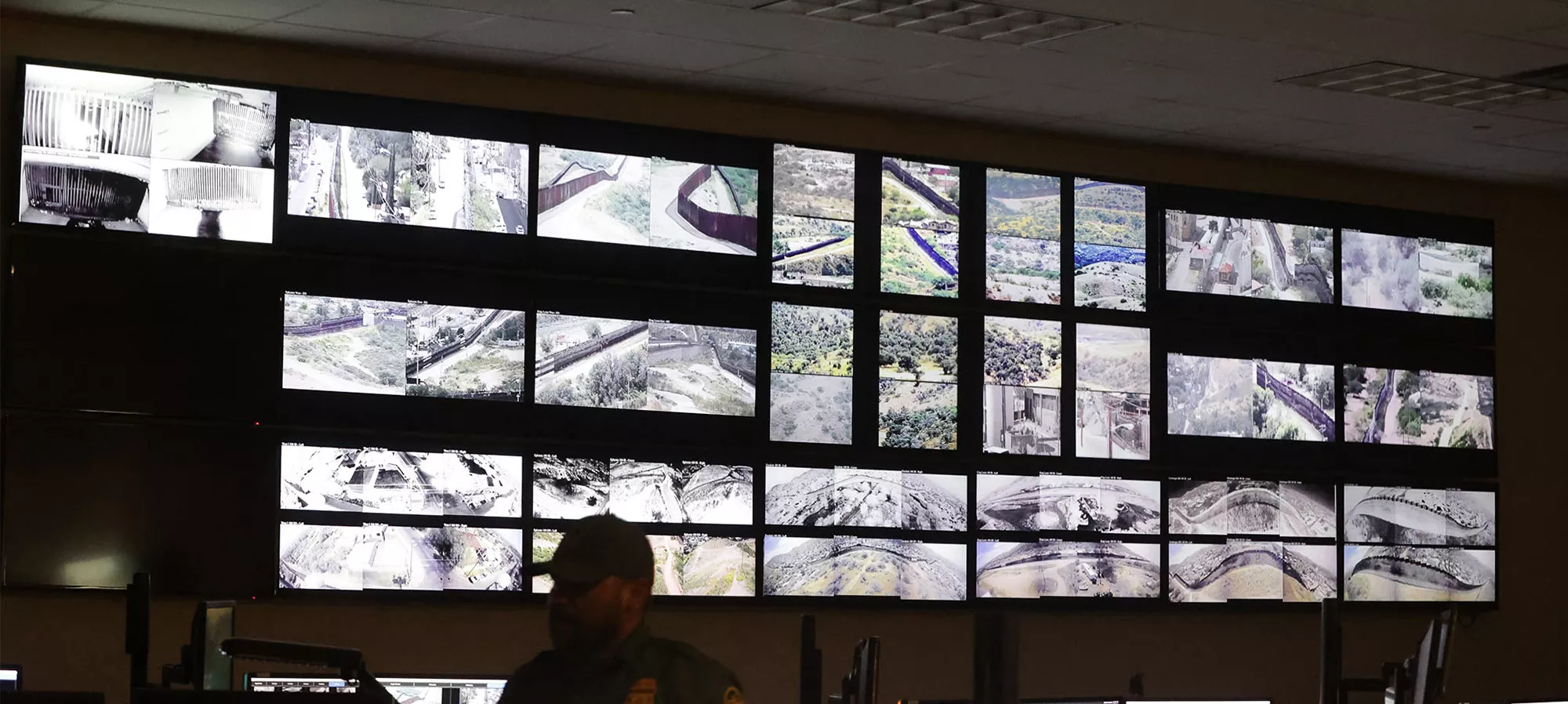
NOGALES – U.S. Customs and Border Protection is lagging in updated technology and staff needed to secure the 1,954-mile Southwest border with Mexico, according to a February inspector general’s audit by the Department of Homeland Security.
Customs and Border Protection has acquired just 28% of the new technology planned for border detections, despite receiving $743 million for such upgrades since 2017. The audit said CBP lacks tools, technologies and manpower, as well as a reliable way to assess the effectiveness of the equipment in use.
“Shifting priorities, construction delays, a lack of available technology solutions, and funding constraints hindered CBP’s planned deployments,” the audit said. “Consequently, most Southwest Border Patrol sectors still rely predominantly on obsolete systems and infrastructure with limited capabilities.”
But the Border Patrol’s Tucson Sector of Arizona, one of the busiest for apprehending undocumented migrants and contraband, seems to be in better shape than many of the other stations.
The February audit shows the 262-mile Tucson Sector has deployed 84 of 97 planned tower and surveillance upgrades since 2014, while Big Bend, Del Rio, and El Paso sections have completed none. This leaves border sectors vulnerable to criminal activities, the report said.
Kevin Hecht, a CBP agent in Nogales, said his station is the busiest in the Tucson Sector, which runs from the New Mexico-Arizona border to the Yuma County line, and operates well with the equipment it has. That includes integrated towers that detect people in rural areas with sensors, remote video surveillance and mobile surveillance systems, such as laser illuminators to see during the night.
“So we are a little bit more advanced since we were the first to receive all this, and then we get the updates based on those advancements,” Hecht said. “We’re not based on whatever report you read. I think we’re a little bit beyond that because we were one of the first stations to receive the newer technologies.”
The federal funding is part of a short-term spending bill President Joe Biden signed in December, setting aside more than $7 billion to support the government’s operations to resettle Afghan allies in the United States following the end of the 20-year war in Afghanistan. That spending bill allocated nearly $1.3 billion to the Department of Health and Human Services to help Afghan refugees and humanitarian evacuees access services like temporary housing, medical and legal assistance, education services, English classes, and job training.
Arizona received $4.4 million to support case management and employment services; $564,000 to help Afghan children and teens adapt to local school systems; and $633,000 to support Afghan families navigate the medical and mental healthcare systems, according to Arizona Department of Economic Security spokesman Brett Bezio.
Bezio said another $1.7 million in federal funds is expected to arrive soon to boost case management and employment services.
Arizona is expected to welcome 2,055 Afghan evacuees by March 31, said DES spokeswoman Tasya Peterson. Initially, the state had expected 1,600 translators who helped American troops, their families, and others fleeing Afghanistan to arrive in Arizona.
So far, about 450 Afghan adults and children have arrived in the state since Aug. 15, Peterson said. Humanitarian Parolees and 10 Afghan Special Immigrant Visa (SIV) Holders have arrived in Arizona since August 15, 2021.

