Wednesday, November 3, 2021
Tuesday, November 2, 2021

With the first release of ballots, Democrats were way out ahead of their challengers in today's election for Tucson City Council.
In Ward 6, Councilman Steve Kozachik had captured 64% of the vote in his quest for a fourth term, while his independent challenger Val Romero had just 30%.
In Ward 3, Kevin Dahl had captured 58% of the vote, while Republican Alan Harwell had captured 28% and independent candidate Lucy LiBosha had 12%. Dahl was running for an open seat now held by Democrat Karin Uhlich, who had stepped in earlier this year after Democrat Paul Durham stepped down.
In Ward 5, Councilman Richard Fimbres had captured 71% of the vote against a write-in candidate.
Prop 206, which would establish a $15-an-hour minimum wage in Tucson along with various enforcement provisions, was headed for victory, with 60% of voters in favor of it.
Prop 410, which would increase the salaries of the Mayor and City Council, remained too close to call, separated by a narrow margin of 153 votes, with 33,893 votes in favor and 33,740 votes against. An unknown number of votes remain to be counted.
Care Fund will hold an online auction to help shore up its Mortgage and Rent Assistance Program.
The program provides mortgage and rent support to Arizona families facing financial hardship because of their child’s extended illness or injury.
Event Details:
- Tuesday, Nov. 2 - 10 a.m. - Auction opens
- Tuesday, Nov. 9 - 6 p.m. - Join Care Fund via live stream for the Virtual Desert Corral video ensemble of Care Fund Board and family members who tell their unique and inspiring stories
- Wednesday, Nov. 10 - 10 a.m. - Auction bidding closes
Local mortgage company Homeowners Financial Group will offer a dollar-for-dollar match of up to $150,000 on any event revenue.
Learn more about the event at aesaz.co/ELP/CAREFUND21/EventInfo
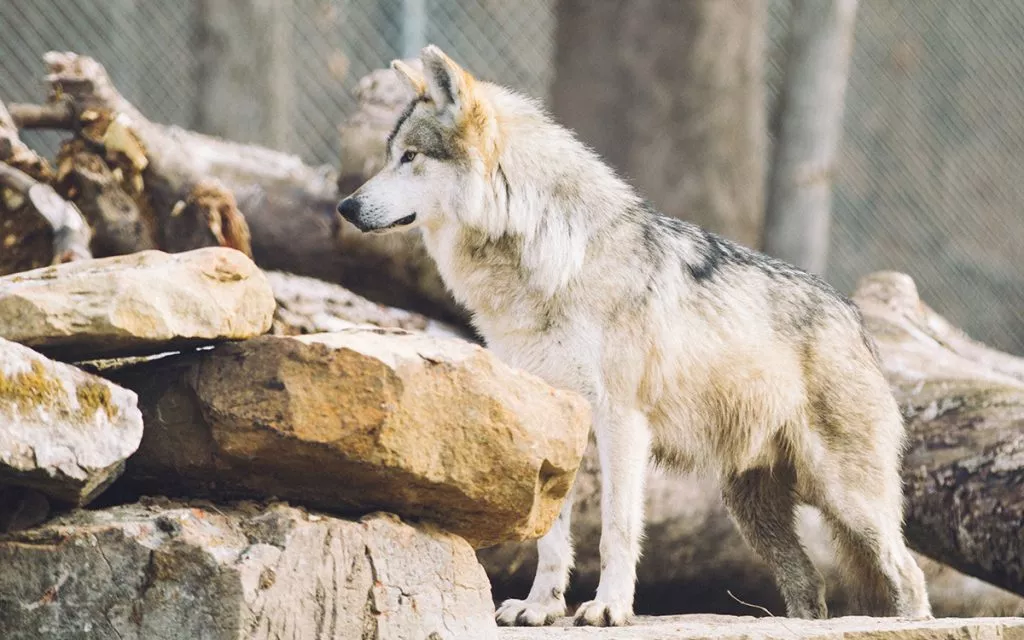
PHOENIX – A 90-day public comment process has begun on a proposal to allow more endangered Mexican wolves to be released into the wilds of Arizona and New Mexico, where, federal officials say, the animals are thriving.
“Recovering the Mexican wolf remains a top priority for the service, and we continue to make steady progress toward this goal,” Amy Lueders, the Southwest regional director for the U.S. Fish and Wildlife Service, said at a news briefing Wednesday.
At least 186 Mexican wolves live in western New Mexico and eastern Arizona, according to a 2021 study. The wolves – a rare subspecies of the gray wolf – were all but wiped out by the 1970s before being listed as endangered under the Endangered Species Act. Efforts to reintroduce them to the region began in 1998.
“The wild population of Mexican wolves in the United States saw its fifth consecutive year of growth in 2020,” Lueders said.
To keep the population growing, Fish and Wildlife wants to remove the population limit, which is set at 325. It also wants to increase the number of wolf pups that are bred in captivity and released into dens to help improve the genetic diversity of the growing population. The service also wants to temporarily restrict what is considered an allowable “take,” meaning to kill or capture a wolf threatening livestock or human lives.
Proposed changes follow a 2018 court order for the service to revise the designation of the Mexican Wolf Reintroduction Project to make sure the experimental population contributes to long-term recovery of the wolf.

Monday, November 1, 2021
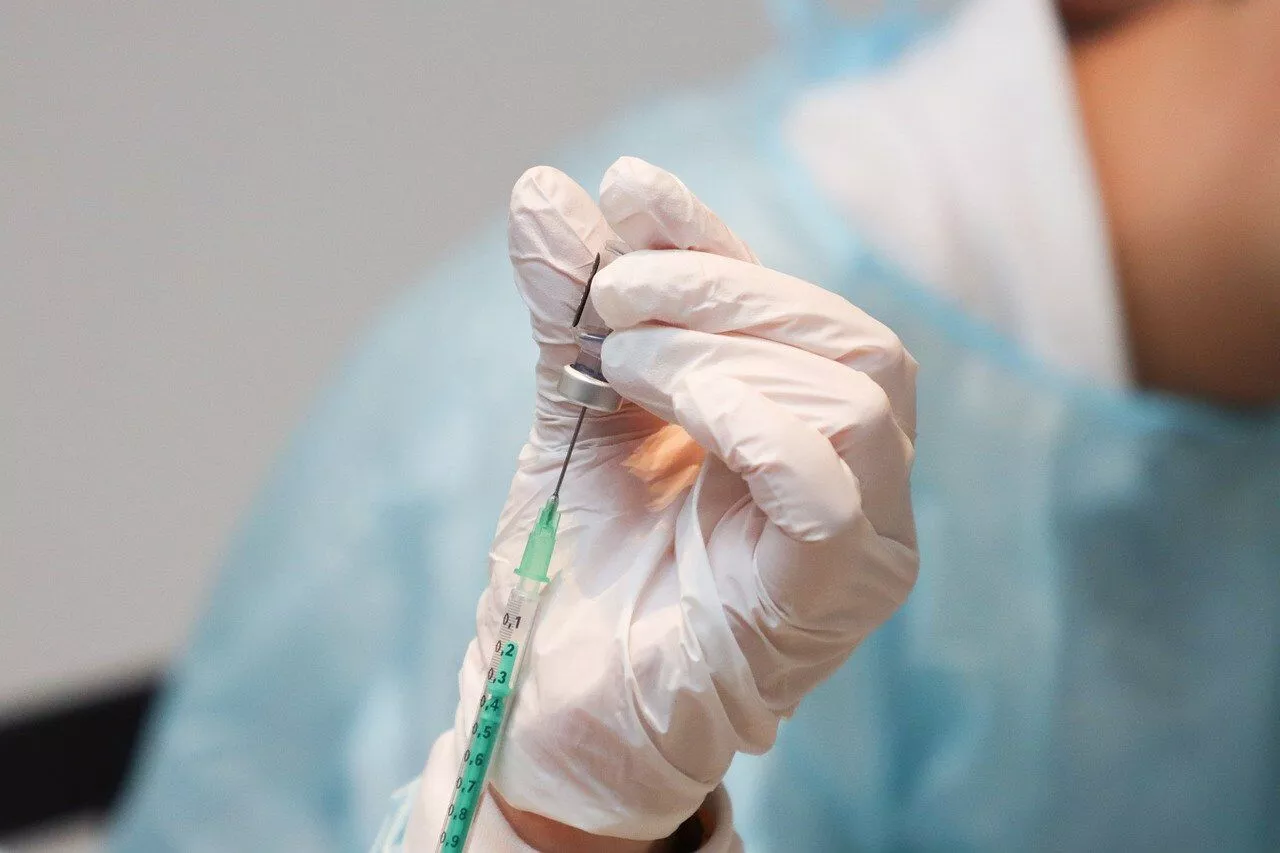
COVID Testing Sites
Pima County is still offering free COVID tests at multiple locations throughout Tucson for anyone with or without symptoms and people of all ages (2 years or older for a PCR test). Tests are not free for people who need to take them for work or if you had a test administered at a Pima County site within the last 14 days:
TEP building, 88 E. Broadway Blvd
Nasal Swab (rapid antigen test), walk-up, or registration
Ellie Towne Center: 1660 W. Ruthrauff Rd
Saliva test (PCR test), appointment required
Liberty Plaza - 315 W. Irvington Road
Nasal Swab (rapid antigen test), walk-up, or appointment
Paradigm 6009 Grant - 6009 E. Grant Rd
Nasal Swab (rapid antigen test), walk-up, or appointment
Tucson International Airport - 7250 S. Tucson Blvd. Nasal Swab (rapid antigen test), appointment only.
After a long absence — since early 2020 when the specter of pandemia intervened, forcing the cancellation of live performances worldwide — the Jerusalem Quartet performed at the Leo Rich Theater this past Wednesday, Oct. 27.
The faint plucking of strings, tuning up backstage, prompted a still the audience held, as they waited in reverence for this internationally acclaimed string quartet to take to the stage.
Once seated, first violinist Alexander Pavlovsky led the charge headlong into Joseph Haydn’s String Quartet in F Minor, Op. 20 No. 5, considered to be among Haydn's most intense quartets due to its dark, brooding, and occasionally violent mood.
Esteemed British musicologist Sir Donald Tovey opined that it is “the most nearly tragic work Haydn ever wrote; its first movement being of astonishing depth of thought." The Jerusalem Quartet navigated the piece’s nuanced and well-articulated profundities with aplomb.
The work was composed in 1772, during a period in which Haydn was kapellmeister at Eszterháza. Dubbed the "Hungarian Versailles," the palace was beset by a "vexatious, penetrating north wind.” While ensconced in the prince’s court, Haydn suffered from bouts of depression and illness—conditions masterfully expressed in Opus 20 by the members of Jerusalem Quartet: Sergei Bresler (second violinist), Ori Kam (violist), Kyril Zlotnikov (cellist) and Pavlovsky.
Said to have defined the nature of the string quartet, the interplay between instruments in Haydn’s composition — that poet Johann Wolfgang von Goethe likened to "four rational people conversing” — was personified.

Four of Arizona’s congressional districts would be competitive, with two as legitimate toss-up seats, under a new draft map adopted Thursday by the Arizona Independent Redistricting Commission. Republicans would have three safe seats and Democrats would have two.
And the commission’s official draft legislative map would give Republicans more safe districts, but give Democrats a chance to win control at the legislature in the right year.
After weeks of sometimes acrimonious debate, the AIRC approved its official draft maps of the congressional and legislative districts that Arizona will use for the next decade. But the maps, while a major milestone in the redistricting process, are far from final: The commission must now submit them for 30 days of public review, which includes meetings across the state, before it comes back and approves the final versions.
Under the metrics adopted by the commission to measure competitiveness, which is based on the results of nine statewide races in 2016, 2018 and 2020, two of the proposed legislative districts would be toss-up seats where either party could win in a given year.
In Legislative District 2, which covers much of the north Phoenix area between Northern Avenue and Loop 101, Democrats have an advantage of just 3.3%. The AIRC considers anything within 7% to be competitive, and anything within 4% to be highly competitive. The numbers are even closer in District 4, which runs from south Scottsdale to the Loop 101 west of Scottsdale Road, and leans toward the Democrats by just half a percentage point.
Four other districts fall under the range of competitiveness, two leaning toward each party. Republicans have 13 safe legislative districts and Democrats have 11.