

Wednesday, September 15, 2021
State officials, Arizona refugee resettlement agencies and community groups are preparing for the arrival in the coming weeks of thousands of people evacuated last month from Afghanistan.
The International Rescue Committee in Phoenix, a refugee resettlement agency, welcomed 18 Afghan evacuees on Aug. 29. They were among the tens of thousands of people who fled the country as U.S. troops withdrew and the Afghan government quickly collapsed.
It’s unclear how many refugees and people who evacuated Afghanistan will arrive in Arizona, said Charles Shipman, the state refugee coordinator at the Department of Economic Security, which partners with the federal government to provide services to new refugees seeking to make Arizona their new home.
“This is an emergency effort. This is a U.S. evacuation effort (and) all of the pieces have not been worked out,” Shipman said in a community meeting last week.
Shipman said the federal government has reported that about 29,000 of the people evacuated last month have protections or are in the process of obtaining Special Immigrant Visas, a program available to translators and interpreters who worked for U.S. troops or other Afghans who worked for the U.S. government or U.S.-based companies. Another 50,000 people evacuated are expected to qualify for a program known as humanitarian parole, which allows some immigrants to temporarily live in the U.S., he added.
Shipman said it’s too early to say how many arrivals are expected in Arizona. He added that the state expected a “high number” of parolees, and not as many people arriving through the SIV program.
He said the state agency is working to consolidate and coordinate efforts to volunteer, support and help with new Afghan arrivals in Arizona.
Meanwhile, nonprofits and community groups are working to understand what the more critical needs will be and balance all the donations and support that different people, faith groups and companies are offering.
For now, DES is also compiling a volunteer interest form that people who want to help in by providing temporary housing, interpretation or translation, transportation, donations or places to pick up or drop off donations can fill out and submit.
The Afghan communities in Phoenix and Tucson are also coming together to help, welcome and support those who managed to evacuate, said Asmeen Hamkar, who works with the DES refugee resettlement program.
Tuesday, September 14, 2021
Nestled against the foothills of Estrella Mountain Regional Park, a nearly 3,000-square-foot house sits on an allegedly vacant lot.
According to a report issued by conservative activists who have spent much of the past year since the election knocking on doors across Maricopa County and asking people about their voting history, the address in Goodyear is a vacant lot where two people nonetheless cast ballots by mail in the November election.
The Arizona Mirror visited the address in Goodyear and found a house that is clearly visible from the street. A low-slung wall surrounds the lot, and the house number can be seen from the dirt road that leads to the gate at the front of the property. The house is also visible on satellite images on Google Maps that can be easily found with a few simple keystrokes.
A few more keystrokes is all it takes to access property records from the Maricopa County Recorder’s Office that show two owners who took possession of the property in 2018. The house itself was built in 2005, those records show. The Maricopa County Elections Department says those two owners, along with a third person who is registered to vote there, voted by mail in the 2020 general election.
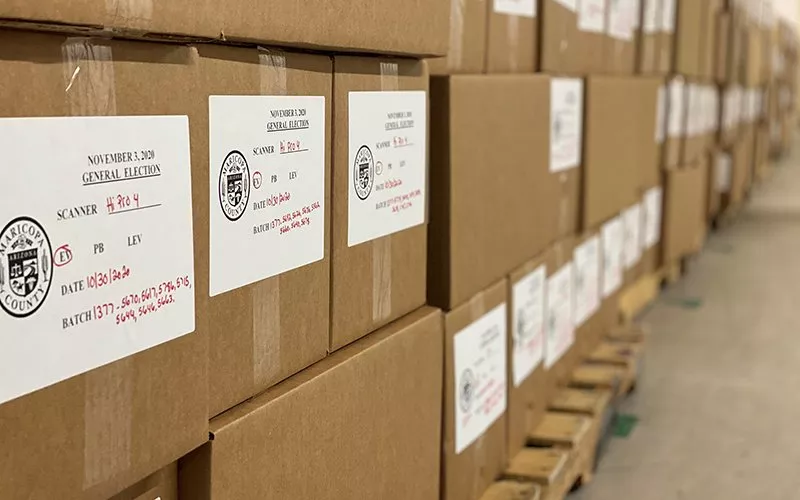
After months of hype among adherents of false conspiracy theories that the 2020 election was rigged, a long-awaited report on a volunteer “canvassing” effort of Maricopa County voters landed with a dull thud on Wednesday when the activists behind it made a series of breathless allegations without any evidence to back them up — highlighted by two specific claims that were almost immediately proven false.

Monday, September 13, 2021
In the not-so-distant past, adults were expected to set the example for children. Be role models. Demonstrate respectful behavior. Follow the Golden Rule.
But today, we are unquestionably failing our kids in this regard, especially as it relates to adult behavior toward school officials.
Recently, a Tucson father, armed with “law enforcement-grade” zip ties, threatened to arrest an assistant principal after his son was told to quarantine due to COVID-19 exposure.
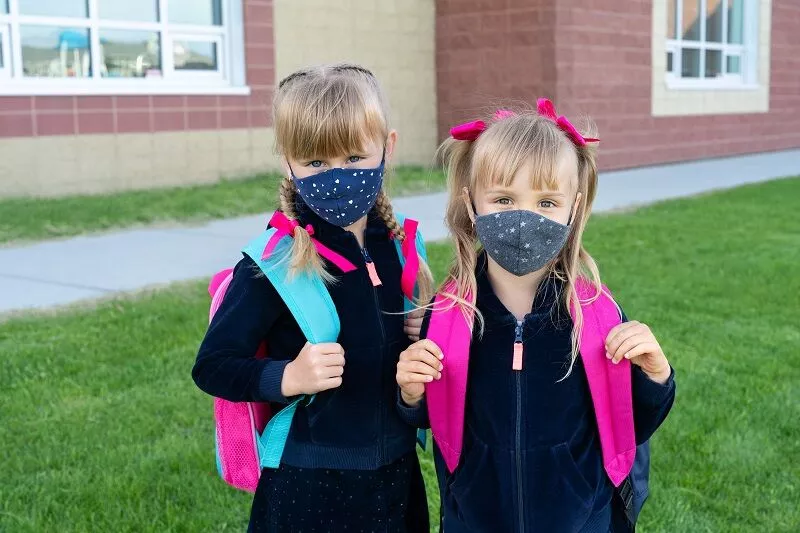
Anti-maskers forced a school board to cancel its meeting for safety reasons, then stormed the building and held a mock election to declare themselves the district’s new board members.
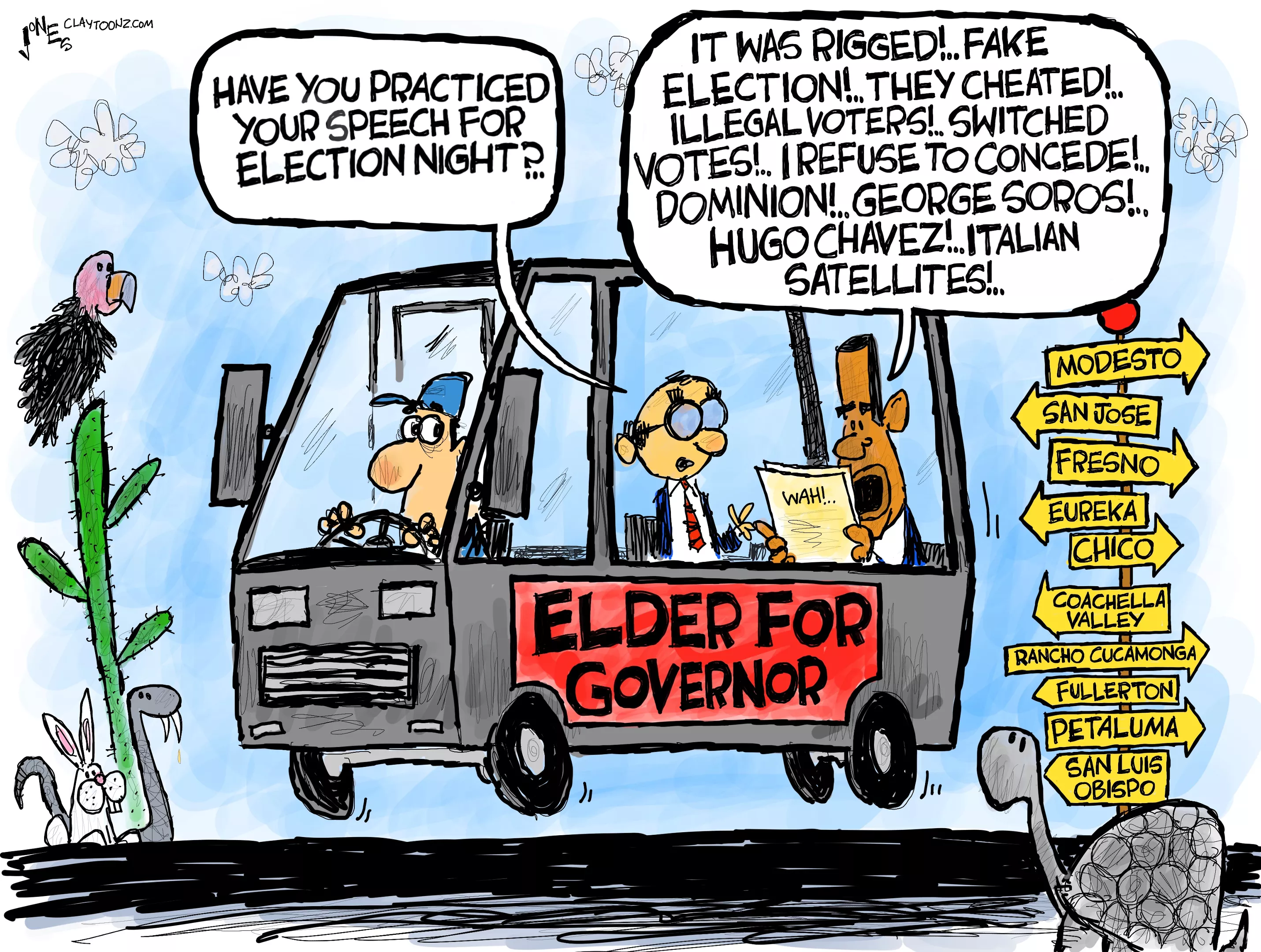
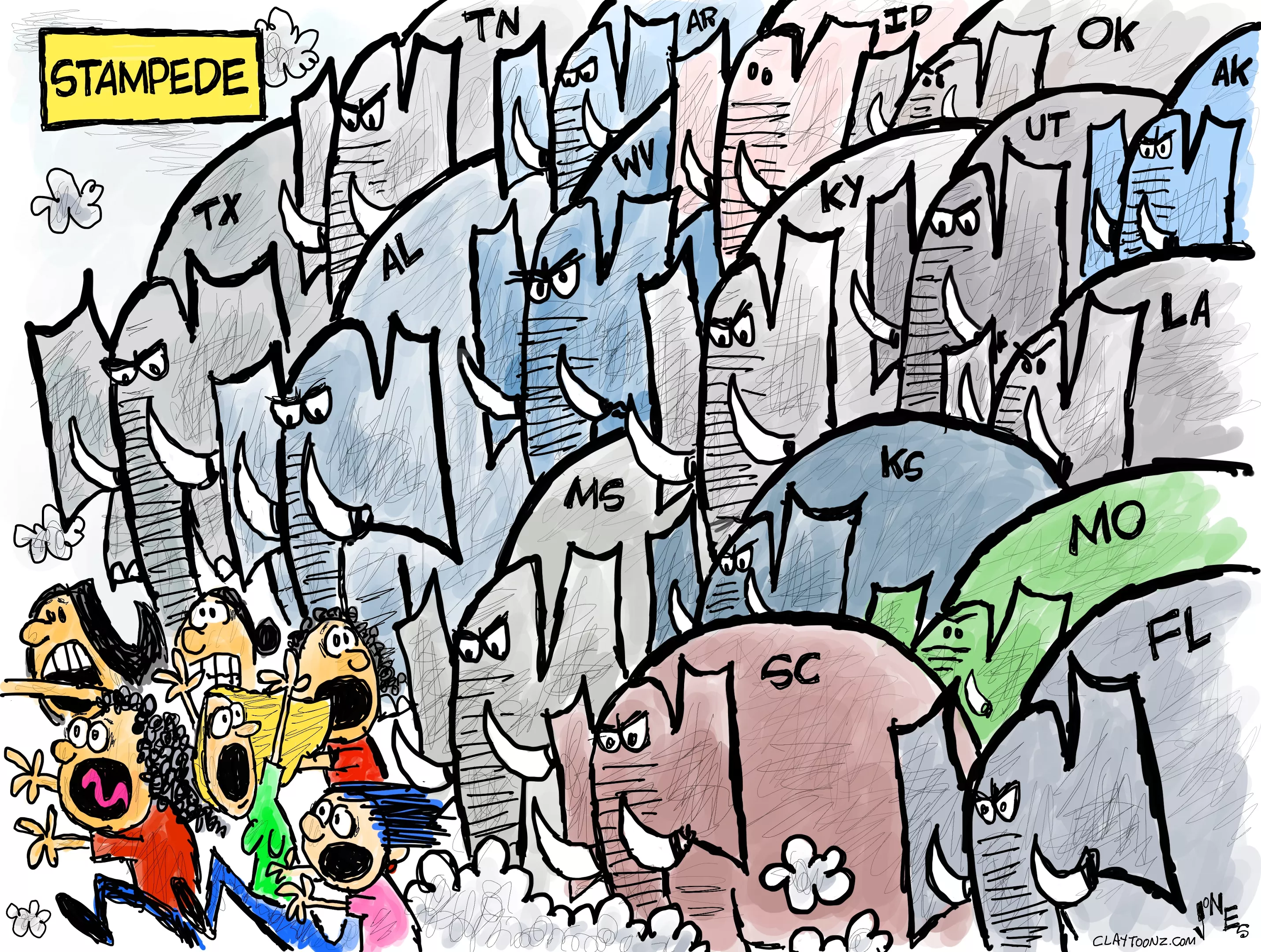
A Republican candidate for governor, who set a mask on fire and used a sledgehammer to smash television sets in a campaign video, held a rally at a college campus where she ceremoniously stomped on a mask like a toddler throwing a tantrum and encouraged students to disobey masking guidelines meant to keep students, their professors and the wider community safe from a virus that has killed more than 19,000 Arizonans.
Friday, September 10, 2021

Join Arizona Public Media and the Pima County Public Library in celebration of the rich Mexican-American and Latinx cultural heritage of Southern Arizona during Mes de la Cultura! Enjoy a virtual celebration of Mexican-American and LatinX art, music, and dance with performances by Mariachi Estrellas de Tucson, Mariachi Los Changuitos Feos, and Ballet Folklórico Tapatío.
You’ll get a first look at Arizona Illustrated’s story about Carlos Valenzuela, a Chicano tile artist, and his work across Tucson’s south side. Plus, you’ll get an inside view of the Pima County Public Library’s Frank De La Cruz Borderlands collection!
After the show, performers will be sharing more about the rich cultural history of these art, music and dance forms, share some of their own experiences performing, and answering YOUR questions during a live Q&A. We hope you’ll join the conversation!
This event is sponsored by Arizona Public Media, and the Library's Welcome to America and Nuestras Raíces teams.
About the Performers
Mariachi Estrellas de Tucson is a youth mariachi group from Tucson. With performers ranging in age from 10 to 17 years old, the group has participated in the Tucson International Mariachi Conference in Tucson, Arizona, and the Rosarito International Mariachi Conference in Rosarito, Baja California, México.
Mariachi Los Changuitos Feos (LCF) is widely regarded as the first youth mariachi group and the first seed of the growing youth mariachi movement in the United States. The group includes twelve high-school aged musicians under the direction of Salvador Gallegos. Founded in 1964, LCF now carries a five-decade legacy of musicianship and dedication.
Ballet Folklórico Tapatío (BFT) is a non-profit folkloric dance group established in 1997 under the direction of Jose Luis Baca and Marissa Gallegos. This group is based in South Tucson, and has over 150 members. They have performed throughout the United States, Mexico and Colombia, and are recognized as one of the finest folkloric programs in the nation.

PHOENIX – The surprise announcement of a partnership between the Arizona Bowl and Barstool Sports sheds light on the divisiveness triggered by the media company, but also its increasing attempts to change its image.
On July 27, Barstool Sports and the Arizona Bowl, based in Tucson, announced a partnership that includes naming rights for the bowl game. The company has a controversial past, much of it stirred by Barstool Sports founder Dave Portnoy, who has been accused of misogyny and racism for some of his past posts and comments. Although Portnoy sold 51% of the company in 2016, he remains its “Chief of Content.”
The backlash that followed on social media was quick and predictable. And Victoria Jackson, a sports historian at Arizona State University who studies the intersection of sport and society, questions the decision.
“Giving an organization a chance before they’ve proved themselves isn’t good business. It’s very risky,” she said.
And there was also a tangible cost.
The Pima County Board of Supervisors, in a 4-1 decision, voted to withdraw nearly $40,000 in funding from the game, which is played at Arizona Stadium on the campus of the University of Arizona. And the board requested that the county’s name be removed from the Arizona Bowl’s website.
Supervisor Rex Scott, who voted in favor of pulling the funding, explained that his priority was to represent the people of Pima County and he fulfilled that responsibility by voting to withdraw financial support to the bowl game.
“There’s a distinction between the business decision that (the Arizona Bowl) made and the public role that (the Pima County Board of Supervisors) have,” Scott said. “They’re interested in getting the greatest amount of exposure for the game and to promote the game, not only this year, but in subsequent years. But we have a different calculus as public officials.”
Supervisor Steve Christy was the lone representative to vote against the motion to withdraw the county’s funding.

