Friday, June 11, 2021
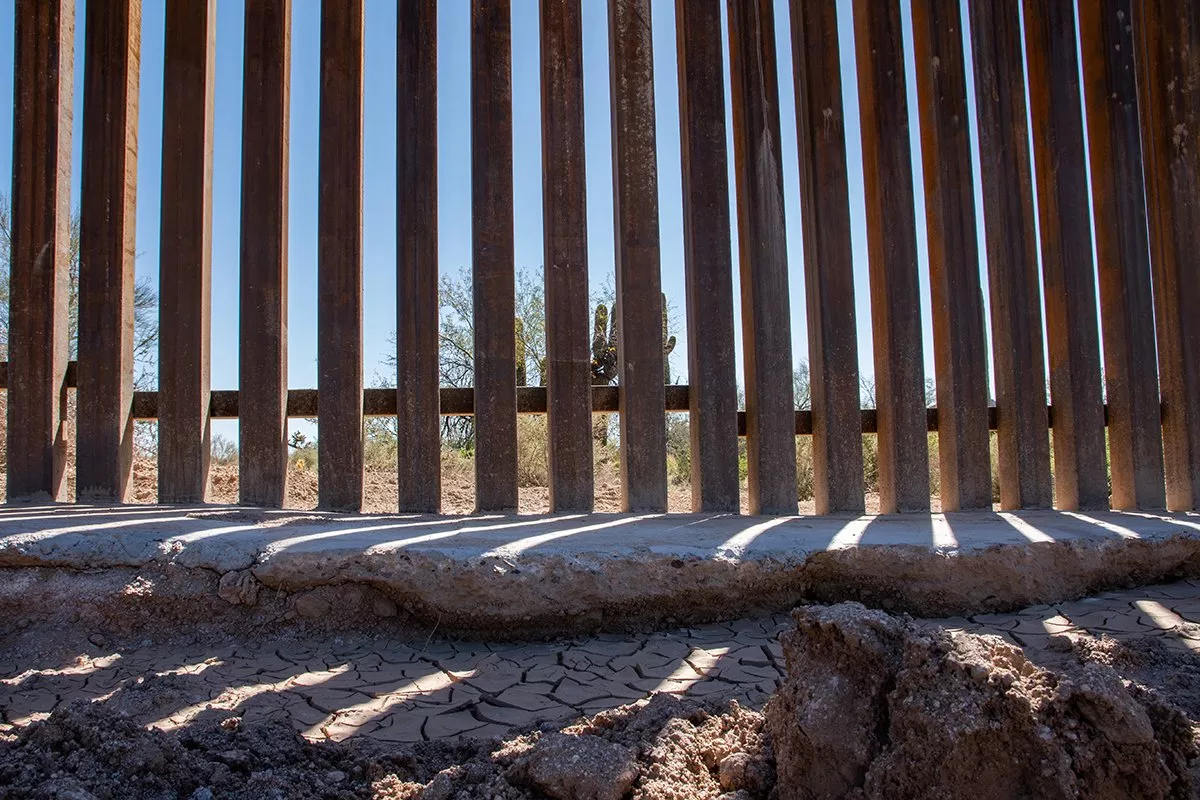
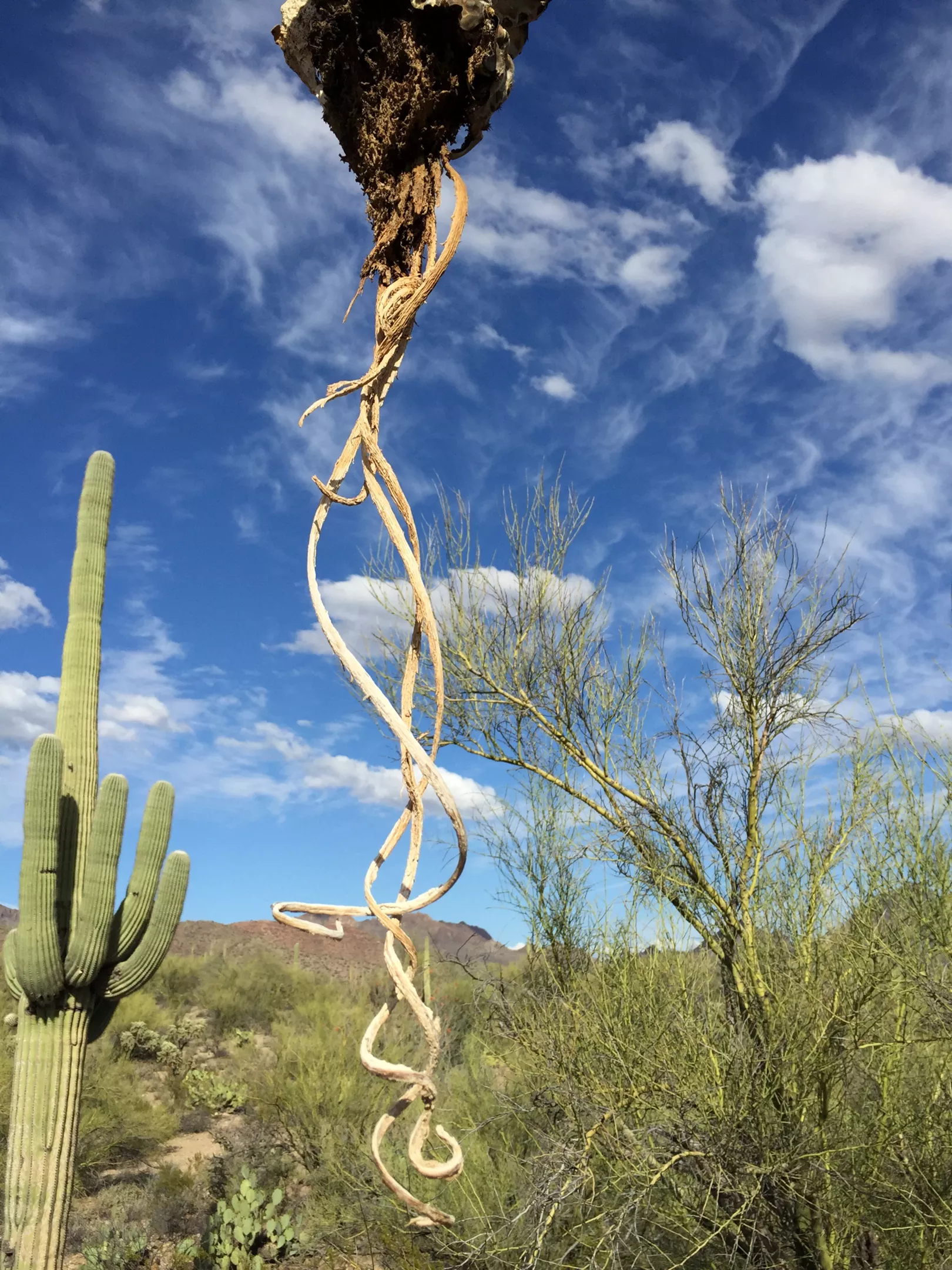
ORGAN PIPE CACTUS NATIONAL MONUMENT – Replanted saguaros stand like sentinels along a wide access road and a towering, 30-foot bollard barrier that’s part of construction ordered by then-President Donald Trump. But farther along the border, the new barrier ends, the road is incomplete, construction materials lay scattered and uprooted plants have long since died.
Locals, security experts and environmentalists say the half-finished project has introduced more problems than it fixed.
Now, the administration of President Joe Biden – which paused wall construction in January – faces a logistical, ethical and political quandary in determining the best way to proceed. Some groups and interests want the wall finished, others want to remove what has already been built.
Kelly Glenn-Kimbro, a fifth-generation rancher from Douglas, and Rijk Morawe of the National Park Service come from vastly different backgrounds and work along the border in different regions of Arizona. But both say the wall – as it stands – is little more than a political prop that has failed to secure the border with Mexico but has damaged landscapes and habitat in southern Arizona.
For them, the solution is to mitigate the damage caused during the building process by finishing access roads, completing flood control infrastructure and repairing as much environmental damage as possible.
“They got the fence built, right?” said Morawe, the chief of natural and cultural resources management at Organ Pipe Cactus National Monument, which runs 30 miles along the border. “Now they need to finish the project so that they don’t leave issues going forward.”
Glenn-Kimbro, who first caught the national spotlight in the 1980s when firearms manufacturer Ruger asked her to star in advertisements as the Ruger Girl, has been an advocate for border security for 45 years.
But the wall, for which $15 billion was allocated during Trump’s tenure, is a waste of taxpayers’ money, she said, because it doesn’t stop illegal border crossings. Glenn-Kimbro feels this way even though her ranch, which abuts Mexico, benefited financially from the construction.
“Instead of doing it right, they were just going to do it,” she said. “So instead of ending up with something very effective, they end up with something that’s a total disaster.”
In areas where barrier construction has been finished, there have been multiple reports of migrants scaling the wall with homemade ladders.
Making good on a campaign promise, Biden “paused” border wall construction in an executive order on his first day in office. The order demanded top officials in relevant departments, including Defense and Homeland Security, to present a plan by March 26 to redirect funds and repurpose contracts originally drawn up to build the wall.
That deadline passed without a resolution, leaving construction and staging sites along the wall abandoned with building materials baking in the sun, sections of constructed wall flat on the ground and various tasks undone, including the completion of floodgates, road grading, and measures to prevent flooding.

Thursday, June 10, 2021
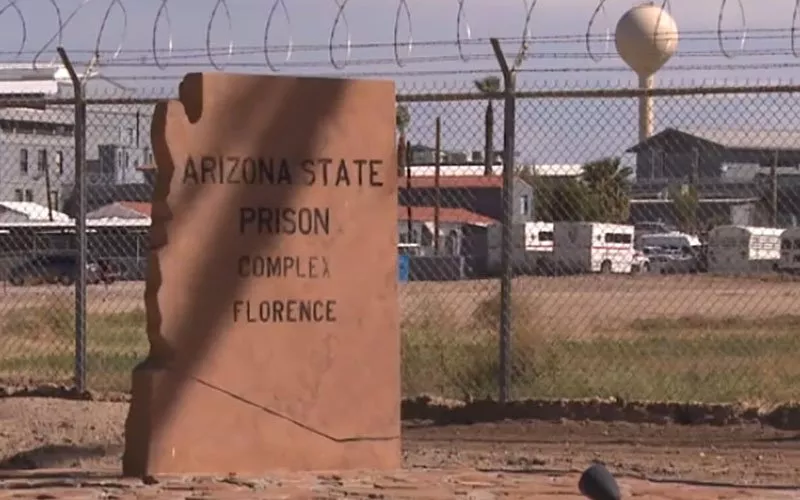
WASHINGTON – Reports that Arizona is preparing to execute death row inmates with gas similar to what was used in the Holocaust have brought responses ranging from “concerned” to “horrified,” but the most common reaction was disbelief.
“What were they thinking?” asked Robert Dunham, executive director of the Death Penalty Information Center, in response to news reports that the state purchased potassium cyanide for possible use in a refurbished gas chamber this year.
“Didn’t anybody in the Arizona Department of Corrections study the Holocaust, and if so, why didn’t they object?” he asked.
The reports come as Arizona Attorney General Mark Brnovich is urging the Arizona Supreme Court to schedule the executions of Frank Atwood and Clarence Dixon, each of whom has been in prison for more than 30 years.
Atwood was convicted in the 1984 kidnapping and murder of an 8-year-old Tucson girl and Dixon was convicted in the 1978 rape and murder of an Arizona State University student in Tempe.
Brnovich told the court that both men have exhausted their appeals and their death sentences should be carried out.

Wednesday, June 9, 2021

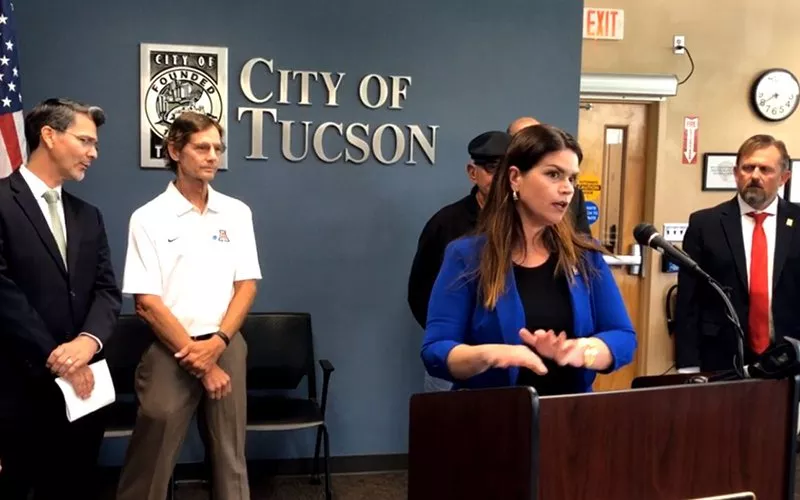
WASHINGTON – Tucson officials said they will indefinitely suspend operations at one of the city’s water treatment plants to keep it from being overwhelmed by an underground toxic chemical plume.
City officials assured residents in a news conference Tuesday that water from the Tucson Airport Remediation Project treatment plant is safe, and that the decision to stop operations there on June 21 is merely a precaution against high levels of the chemical PFAS that could be moving toward the plant.
“Our action to suspend treatment at TARP is a proactive step to ensuring our community’s drinking water supply remains safe,” said Tucson Assistant City Manager Tim Thomure.
PFAS, which is used in firefighting foam and other applications, was detected in the groundwater near several military bases and airports in the state, including the Arizona Air National Guard facility at the Tucson International Airport.
The chemical was first detected in TARP groundwater years ago, but levels were low enough then that they could be removed with available treatment, city officials said.
“Unfortunately, we have hit a critical moment where we can no longer confidently deliver safe drinking water from TARP due to elevated PFAS levels in the water entering the facility prior to treatment,” Tucson Mayor Regina Romero said.
The Environmental Protection Agency does not regulate the chemical, but has set a safe “health advisory level” of 70 parts per trillion. Tucson officials said they have maintained their own standard of less than 18 parts per trillion, which they said is among the strictest in the nation.

Tuesday, June 8, 2021