

Wednesday, September 30, 2020
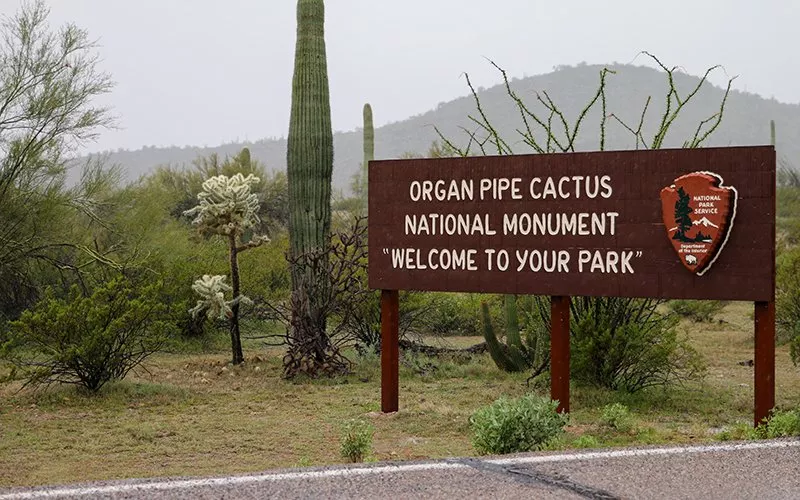
WASHINGTON – The National Park Service cited public safety concerns for its decision this week to prohibit access to a sacred Tohono O’odham site, a move that comes amid rising tensions between border wall protestors and federal agents.
Park service officials said the decision to shut down roads to the Quitobaquito Springs, posted Monday on a website for nearby Organ Pipe Cactus National Monument, was made at the request of Customs and Border Protection, and referred questions to the border agency.
In an emailed statement Tuesday, CBP said it is working closely with the Interior Department’s land management agencies to “mitigate recent risks to public safety concerns associated with ongoing border wall construction.”
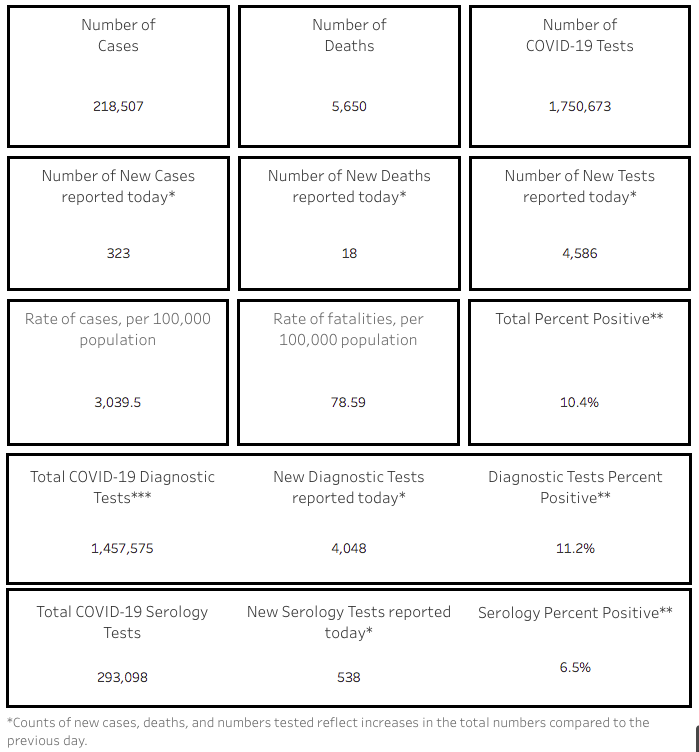
With 323 new cases reported today, the number of Arizona’s confirmed novel coronaviru s cases reached 218,507 as of Wednesday, Sept. 30, according to the Arizona Department of Health Services.

Pima County had seen 25,628 confirmed cases.
With 18 new deaths today, a total of 5,650 Arizonans had died after contracting COVID-19, including 620 deaths in Pima County, according to the Sept. 29 report.
The number of hospitalized COVID cases continues to decline from July peaks. ADHS reported that as of Sept. 29, 560 COVID patients were hospitalized in the state. The number of hospitalized COVID patients peaked at 3,517 on July 13.
A total of 725 people visited emergency rooms on Sept. 29 with COVID symptoms. That number peaked at 2,008 on July 7.
A total of 115 COVID-19 patients were in intensive care unit beds on Sept. 28. The number of COVID patients in ICUs peaked at 970 on July 13.
On a week-by-week basis in Pima County, the number of positive COVID tests peaked the week ending July 4 with 2,453 cases, according to a Sept. 25 report from the Pima County Health Department. While a vocal minority continues to insist that masks do no good, the spread of the virus began to decline within weeks of Pima County’s mask mandate, as more people began wearing them in public, although the level of new cases has creeped back up in recent weeks with the return of UA students. For the week ending Aug. 29, 569 new cases were reported; for the week ending Sept. 5, a total of 861 cases were reported; for the week ending Sept. 12, 1,103 cases were reported; for the week ending Sept. 19, 1,203 cases were reported. (Recent weeks are subject to revision.)
Deaths in Pima County are down from a peak of 55 in the week ending July 4 to 19 for the week ending Aug. 15, 13 in the week ending Aug. 22, 10 in the week ending Aug. 29, zero in the week ending Sept. 5, and two in the week ending Sept. 12. (Recent weeks are subject to revision.)
Hospitalization peaked the week ending July 18 with 234 COVID patients admitted to Pima County hospitals. In the week ending Aug. 29, 37 COVID patients were admitted to Pima County hospitals; in the week ending Sept. 5, 25 patients were admitted to Pima County hospitals; in the week ending Sept. 12, 19 patients were admitted; and in the week ending Sept. 19, 14 patients were admitted. (Numbers are subject to revision.)
Get a Flu Shot

WASHINGTON – Pima County Sheriff Mark Napier pushed back against claims that white supremacists have infiltrated law enforcement agencies, telling a House committee Tuesday that he has “simply not been exposed” to any evidence of that.
Napier said that while “bad actors” may slip through, police share community outrage at the actions of what he insisted are “a very, very few members of law enforcement.” But the perpetuation of the narrative of racist police agencies, meanwhile, has made it difficult to attract the minority officers who could diversify the force, Napier said.
His comments came during the latest in a series of House Oversight Committee hearings titled “Confronting Violent White Supremacy” – a problem Democrats on the committee said can be seen in the spate of police violence against Black and Latino victims.

Tuesday, September 29, 2020

PHOENIX – Many high school seniors competing in fall sports have aspirations to play in college. For those in states where sports are on pause because of the COVID-19 pandemic, that goal might be difficult to reach if they don’t already have offers.
But for high school athletes in Arizona, those dreams remain attainable.
“We’ve had three guys that have committed already and 24 guys (on our team) that have Power Five, (lower) Division I, Division II, (and) Division III offers,” Chandler High School coach Rick Garretson said. “Being able to play and show what they can do as a senior (is important) because I think your senior year is without question your best year. You’re the biggest and the strongest and the most experienced that you’ve (ever been).

This story was co-published with The Arizona Republic, a member of the ProPublica Local Reporting Network.
Aubrie Sloan expected to start sixth grade in a virtual classroom where she would learn from her teacher each day and engage with classmates for the first time since the coronavirus forced her school to close in March.
Instead, she marks her attendance at Kaibeto Boarding School, on the western side of the Navajo Nation, by texting or calling her teacher each morning. Then she dives into paper packets the school delivers to her home, breezing through assignments that her mother says aren’t a challenge because she already knows the material.
Aside from two phone calls from her teacher, the 11-year-old has received little instruction from the federally-operated school since classes started nearly two weeks ago.
Tags: native american , Image

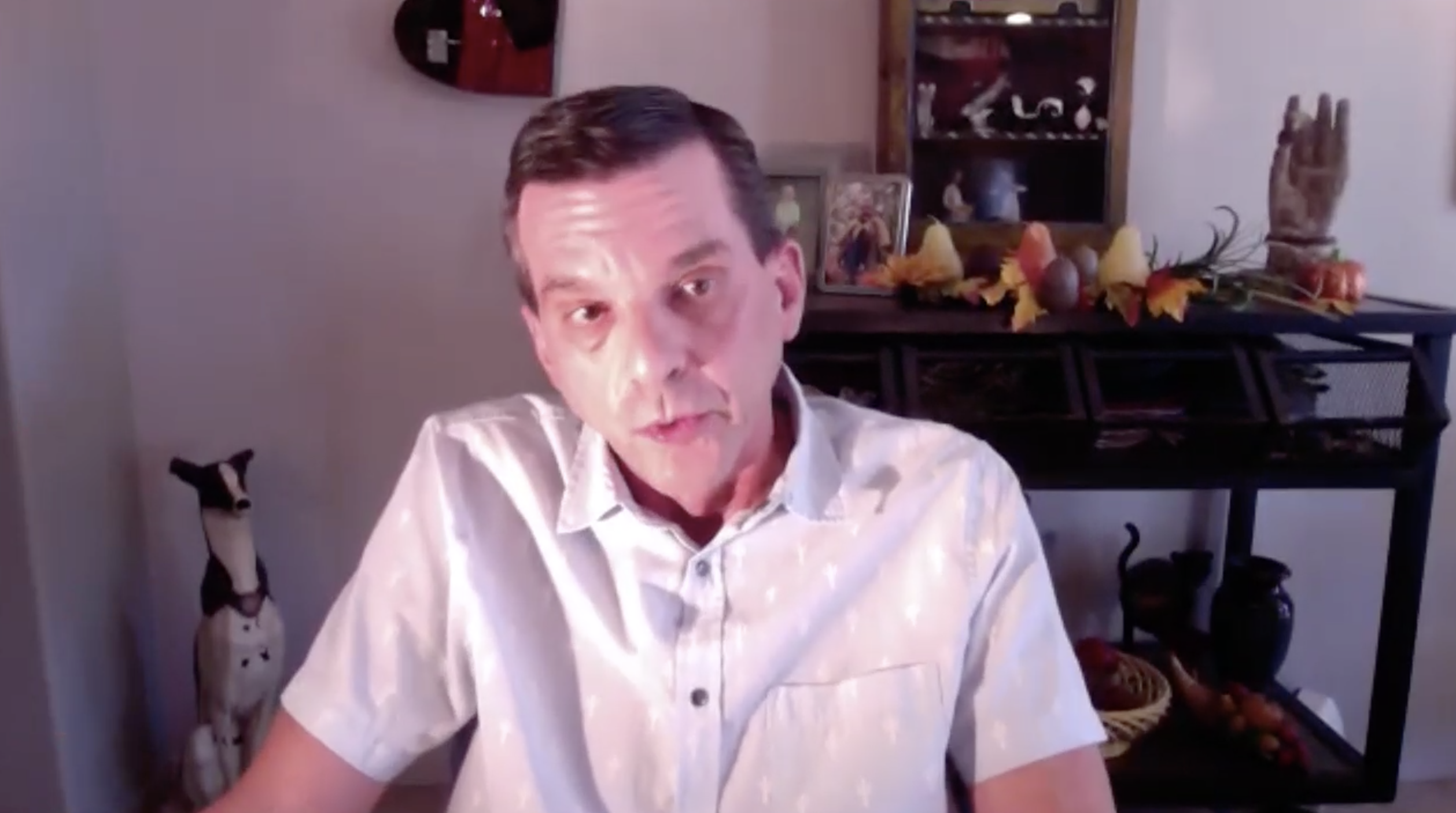
Jeff Jeans once described himself as a “hardcore conservative Republican.”
But after he moved to Arizona and lost his job, he lost the health insurance that came with it. A year later, Jeans lost his voice and was diagnosed with stage 4 throat cancer.
Without the ability to pay for medical expenses on his own, Jeans received health care coverage through the Affordable Care Act, the Obama-era health care reform law enacted in March 2010.
After receiving coverage for medical expenses he couldn’t afford on his own, Jeans is now a staunch advocate for the law he once adamantly opposed.
A day before tonight’s first debate between President Donald Trump and Democratic challenger Joe Biden, Jeans shared his story at a virtual press conference hosted by Arizona Democrats discussing the Affordable Care Act and Trump’s opposition to the health care law. He shared the same testimony as a guest speaker at the Democratic National Convention in August.
“I made a pact with God when I was in my hospital bed that if I lived through this, I was going to share my story,” Jeans said. “Thanks to the Affordable Care Act, I’m alive today.”
Jeans shared the story resulting in his political conversion, while state Rep. Kelli Butler of District 28 and Amanda Aguirre, president and CEO of the Regional Center for Border Health, shared their opinions on the importance of voting to secure the safety of the Affordable Care Act as the president tries to dismantle it.
In June, the Trump administration asked the Supreme Court to overturn the Affordable Care Act. On Nov. 10, one week after the general election, the Supreme Court will hear oral arguments for the case seeking to overturn the ACA.

WASHINGTON – Arizona nursing assistant Perla Macias dreamed of the day when she would be sworn in as a citizen after 15 years living in the U.S. – followed by a big family celebration afterward.
She was on the verge of realizing that dream when it was derailed for six months this spring, first by COVID-19 and then by budget cuts that severely limited U.S. Citizenship and Immigration Services’ ability to function.
Macias, who only needed the interview that would let her take her citizenship test, was one of hundreds of thousands of would-be citizens who had their dreams of becoming a citizen put on hold this year.
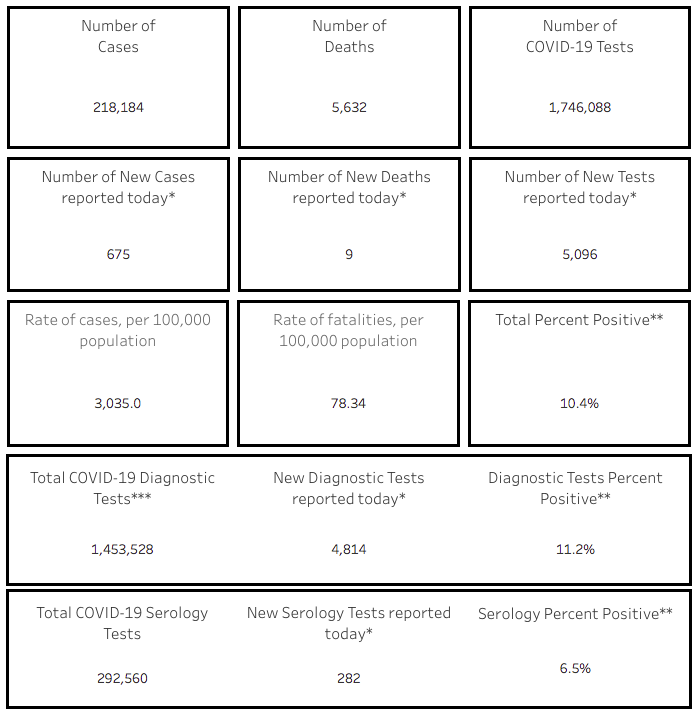
With 675 new cases reported today, the number of Arizona’s confirmed novel coronavirus cases topped 218,000 as of Tuesday, Sept. 29, according to the Arizona Department of Health Services.

Pima County had seen 25,569 of the state’s 218,184 confirmed cases.
With nine new deaths today, a total of 5,632 Arizonans had died after contracting COVID-19, including 621 deaths in Pima County, according to the Sept. 29 report.
The number of hospitalized COVID cases continues to decline from July peaks. ADHS reported that as of Sept. 28, 540 COVID patients were hospitalized in the state. The number of hospitalized COVID patients peaked at 3,517 on July 13.
A total of 653 people visited emergency rooms on Sept. 28 with COVID symptoms. That number peaked at 2,008 on July 7.
A total of 119 COVID-19 patients were in intensive care unit beds on Sept. 28. The number of COVID patients in ICUs peaked at 970 on July 13.
On a week-by-week basis in Pima County, the number of positive COVID tests peaked the week ending July 4 with 2,453 cases, according to a Sept. 25 report from the Pima County Health Department. While a vocal minority continues to insist that masks do no good, the spread of the virus began to decline within weeks of Pima County’s mask mandate, as more people began wearing them in public, although the level of new cases has creeped back up in recent weeks with the return of UA students. For the week ending Aug. 29, 569 new cases were reported; for the week ending Sept. 5, a total of 861 cases were reported; for the week ending Sept. 12, 1,103 cases were reported; for the week ending Sept. 19, 1,203 cases were reported. (Recent weeks are subject to revision.)
Deaths in Pima County are down from a peak of 55 in the week ending July 4 to 19 for the week ending Aug. 15, 13 in the week ending Aug. 22, 10 in the week ending Aug. 29, zero in the week ending Sept. 5, and two in the week ending Sept. 12. (Recent weeks are subject to revision.)
Hospitalization peaked the week ending July 18 with 234 COVID patients admitted to Pima County hospitals. In the week ending Aug. 29, 37 COVID patients were admitted to Pima County hospitals; in the week ending Sept. 5, 25 patients were admitted to Pima County hospitals; in the week ending Sept. 12, 19 patients were admitted; and in the week ending Sept. 19, 14 patients were admitted. (Numbers are subject to revision.)
UA sees a decline in cases, lifts stay-at-home order for students
Although the number of positive coronavirus cases on campus is trending downward, the University of Arizona will again delay phase 2 of its reentry plan and remain open only for in-person instruction of essential courses through the week of Oct. 5, UA President Dr. Robert C. Robbins said in a news conference yesterday.
According to the university’s data, on Friday, Sept. 25, UA had a COVID-19 positivity rate of 3.4 percent, with 36 new positive cases out of 1,051 new tests.
This is a significant improvement from a week prior, on Friday, Sept. 18, which saw a 6.4 percent positivity rate and evidence of off-campus gatherings lacking safety precautions against COVID-19.
“We certainly like to see it down under 5 percent, so well done everyone,” Robbins said. “I’m pleased to report that our outreach and enforcement initiatives are having a very positive effect on compliance with public health guidelines.”

